
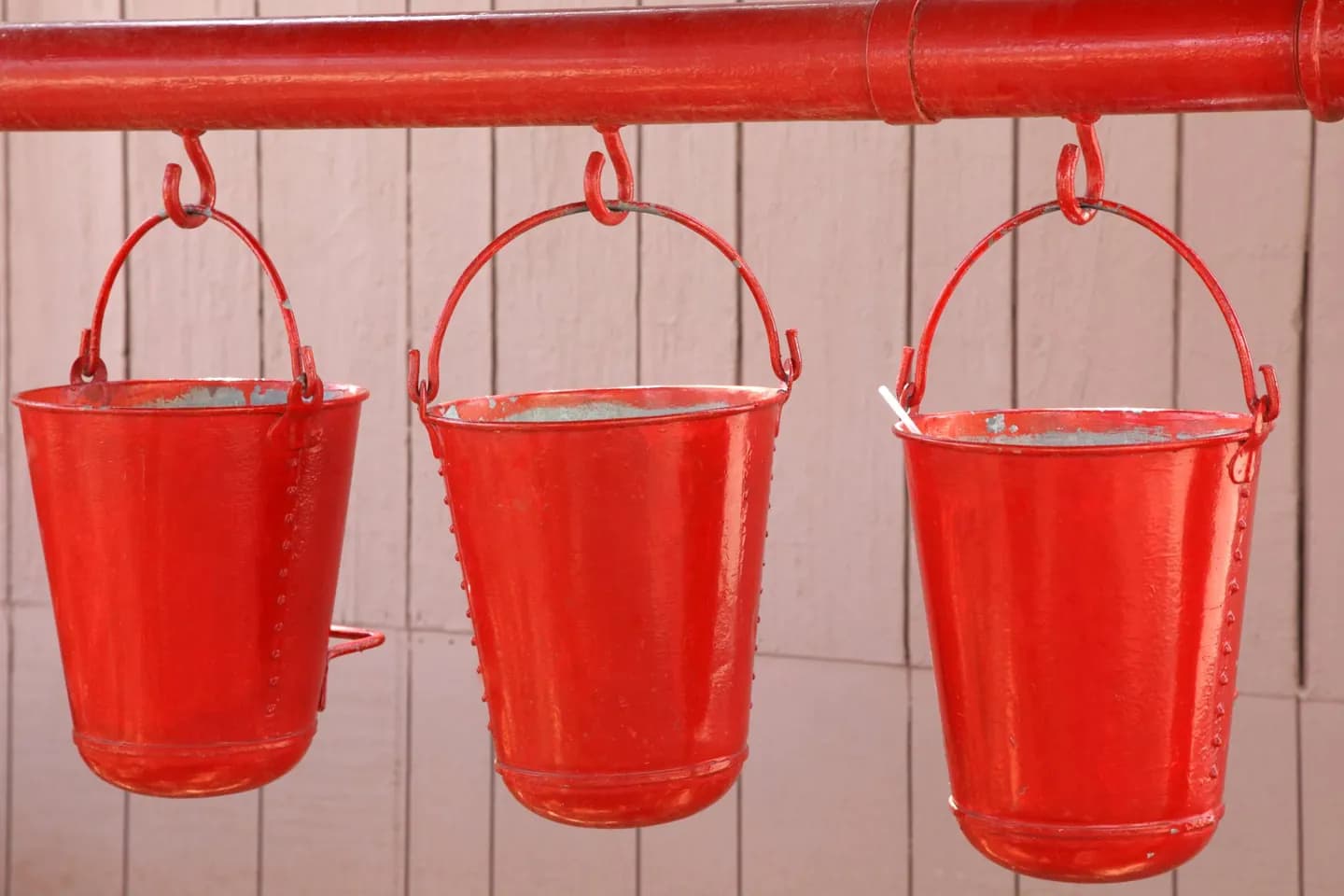
Why go
The story begins with the Brotherhood of the Blackheads' volunteer fire group in 1788 and continues through the professional departments formed after the First World War. Historic equipment makes that civic history tangible. It is a focused choice for visitors interested in the machinery and organisation behind a city's safety.
What to look for
- Historic firefighting equipment from Estonia
- The 1788 volunteer brigade founded by the Brotherhood of the Blackheads
The full story
Fire protection in Tallinn was once a civic responsibility organised before a modern professional service existed. In 1788 the Brotherhood of the Blackheads formed a volunteer fire group, an early chapter in Estonia's firefighting history. Professional departments followed after the First World War, in 1919. The Estonian Firefighting Museum preserves this change through historic equipment and accounts of the people who used it. Established in 1974, it first occupied a fire house on Vana-Viru Street and later moved to the Raua Street fire station. That sequence mirrors a shift from older urban premises to a working service setting. The museum's value is in the practical objects: they show the tools available to crews before present-day vehicles and systems. Look at them as answers to the problem of protecting a dense city, rather than as isolated machines. The historical dates and former addresses help place the collection, but current visiting arrangements should be checked separately.
Useful to know
- Confirm the museum's current location and visitor hours before travelling specifically for it.