
Why go
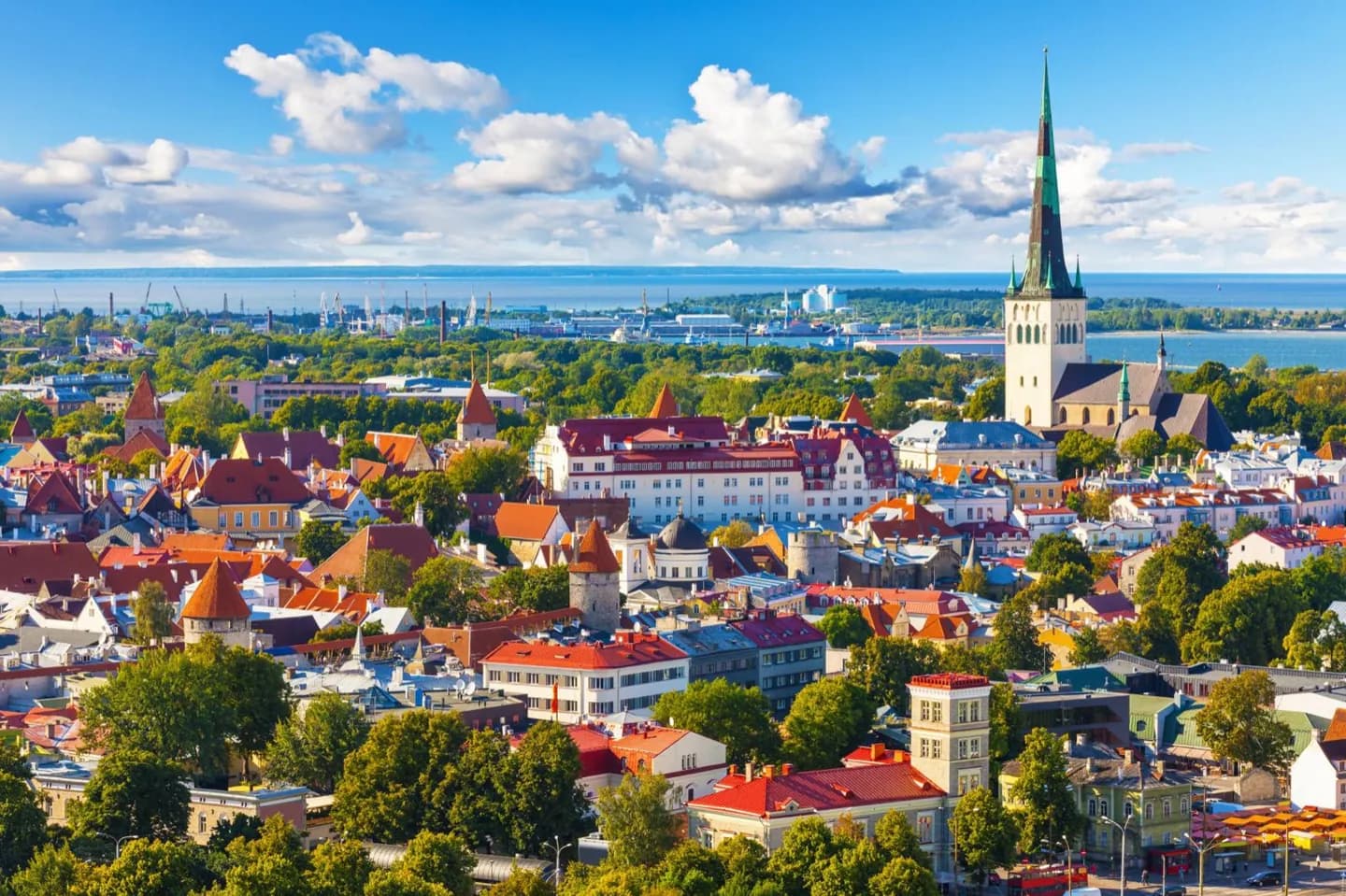
The city's geography explains much of a first visit. Trade on the Gulf of Finland gave the lower streets their civic centre, while power gathered on Toompea's limestone hill. The old name Reval appears in accounts of its long trading history. Seeing these layers before heading to Kadriorg or the waterfront makes Tallinn's different periods easier to place.
The full story
Tallinn stands on Estonia's northern coast, facing the Gulf of Finland. Its position helped it become a trading centre, particularly during the fourteenth to sixteenth centuries as part of the Hanseatic League. For centuries many records called the city Reval; Tallinn is the name visitors encounter today. The old town's layout still gives this history a physical form. Merchants and artisans occupied Lower Town, with Town Hall Square as a market and civic focus. Above them, Toompea's limestone hill held fortifications and rulers. The climb between the two is also a move between two strands of the city's past. Beyond Vanalinn, the city changes character again: Kadriorg recalls an imperial seaside retreat, and the northern waterfront carries maritime and industrial history. The medieval centre is therefore a starting point, rather than the whole story. Walk from the lower streets to the hill to understand the old divisions, then use the outer districts to see how Tallinn grew around them.