
Why go
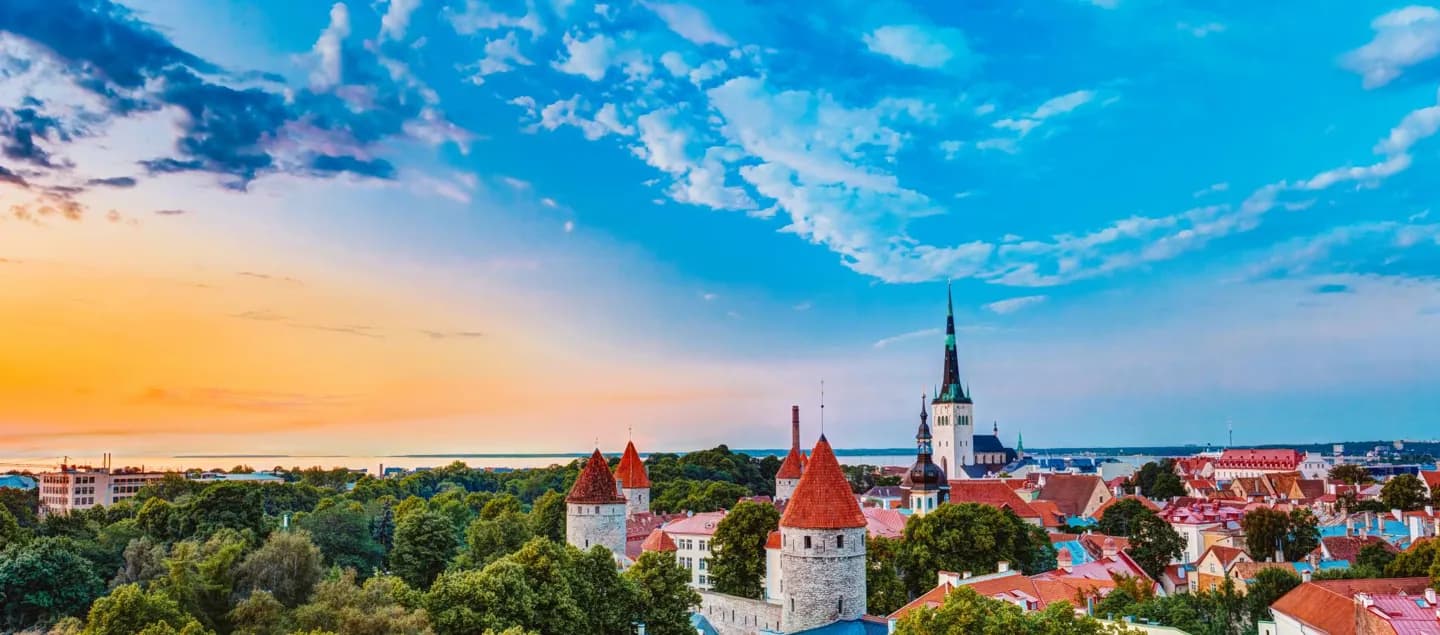
The geography helps shape a sensible day. Toompea gives height above the Lower Town, while Kadriorg and Pirita pull a visit toward the coast. Summer's long daylight suits extended walks; winter brings cold, snow and short days, making museums a useful balance to exposed viewpoints and waterfront stops.
The full story
Tallinn stands on the southern shore of the Gulf of Finland. The Old Town is only one part of its setting: the city also reaches along peninsulas and coastal districts, with Pirita to the east and Kalamaja's waterfront closer to the centre. Toompea rises above the Lower Town. Inland, Lake Ülemiste is a major feature of the city's geography, while the Pirita River reaches the sea through the district of the same name. The seasons alter the experience more than a single average temperature can suggest. Summer days are mild and notably long at this latitude, leaving ample natural light for the walls, parks and waterfront. Winter is cold and often snowy, with much shorter daylight and more time spent under cloud. For a visitor, the useful distinction is exposure: an open viewpoint or walk by the gulf asks more of you in winter wind and rain than an indoor museum in the Old Town or Kadriorg. Choose the outdoor stretches for the conditions on the day and keep an indoor alternative nearby.
Useful to know
- Use long summer daylight for coastal walks and viewpoints.
- In winter, pair short outdoor stops with museums and allow for cold, snow and limited daylight.
- Check the day's forecast before committing to exposed waterfront or hilltop walks.