
Why go
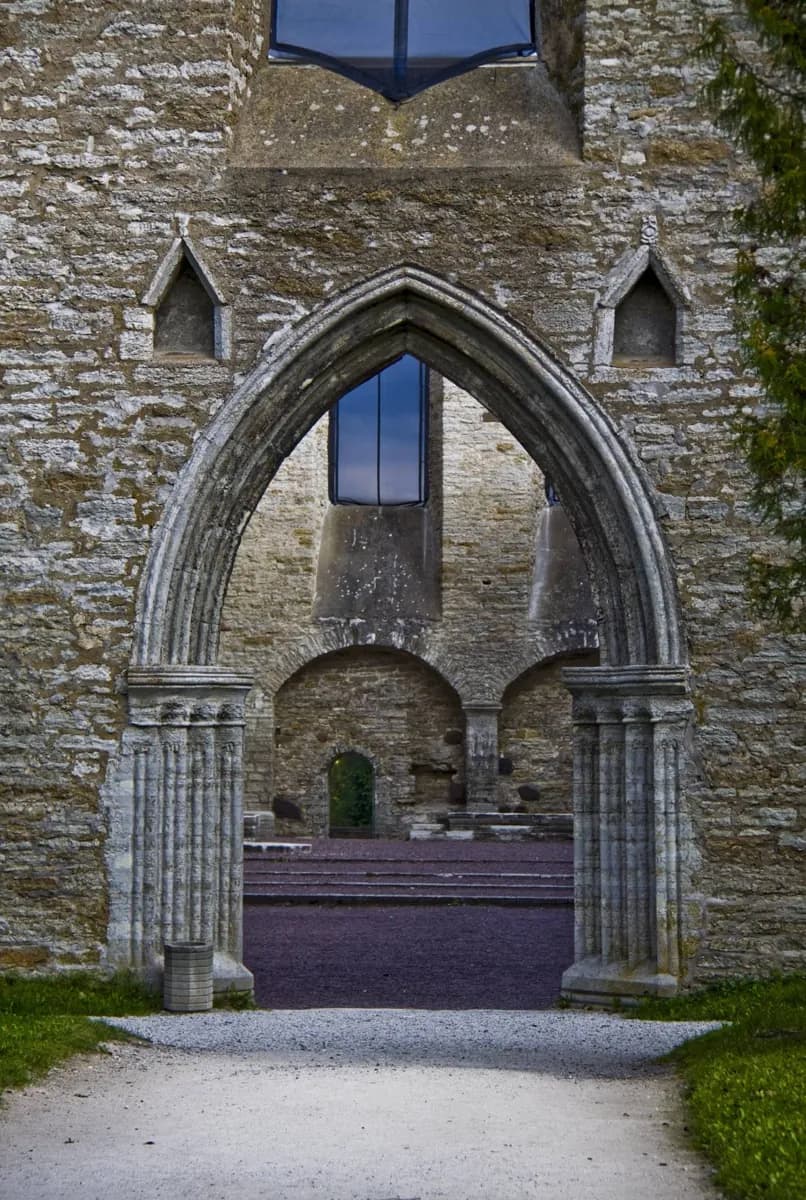
The ruins make medieval Pirita visible in a way that the district's beach and river cannot. Walk among the surviving church facade and walls, then consider how this religious complex once stood beside an important route into Tallinn. The river setting makes the contrast with modern Pirita especially clear.
What to look for
- The church's massive facade remains the site's clearest landmark.
- Walls and cellars reveal the scale of the former convent.
- The old graveyard is part of the surviving complex.
The full story
Tallinn merchants began planning a monastery dedicated to St. Bridget around 1400. Monks from Sweden's Vadstena Abbey came to advise them, and construction followed in the early 15th century. The church was consecrated in 1436. This was a house for both nuns and monks, and it became one of the major Catholic religious complexes in medieval Livonia. War brought that life to an end: forces associated with Ivan the Terrible attacked, looted and burned the convent during the Livonian War. The surviving facade, walls and cellars now make the lost scale of the complex easier to grasp than a bare date could. The graveyard records continued local use of the adjoining land after the convent was abandoned. Set beside the Pirita River, the ruins also show that this district has a story much older than its modern beach and Olympic associations.
Useful to know
- Check current visiting arrangements before entering the ruins.
- Combine the convent with a separate riverside or beach walk in Pirita.
Your next visit
Estimated · Declared scenario and planning estimates; no live opening, weather, queue or booking service.
Outdoor visit · 30–45 min
World planning estimate; admission, opening, visit duration and access need checking.