
Why go
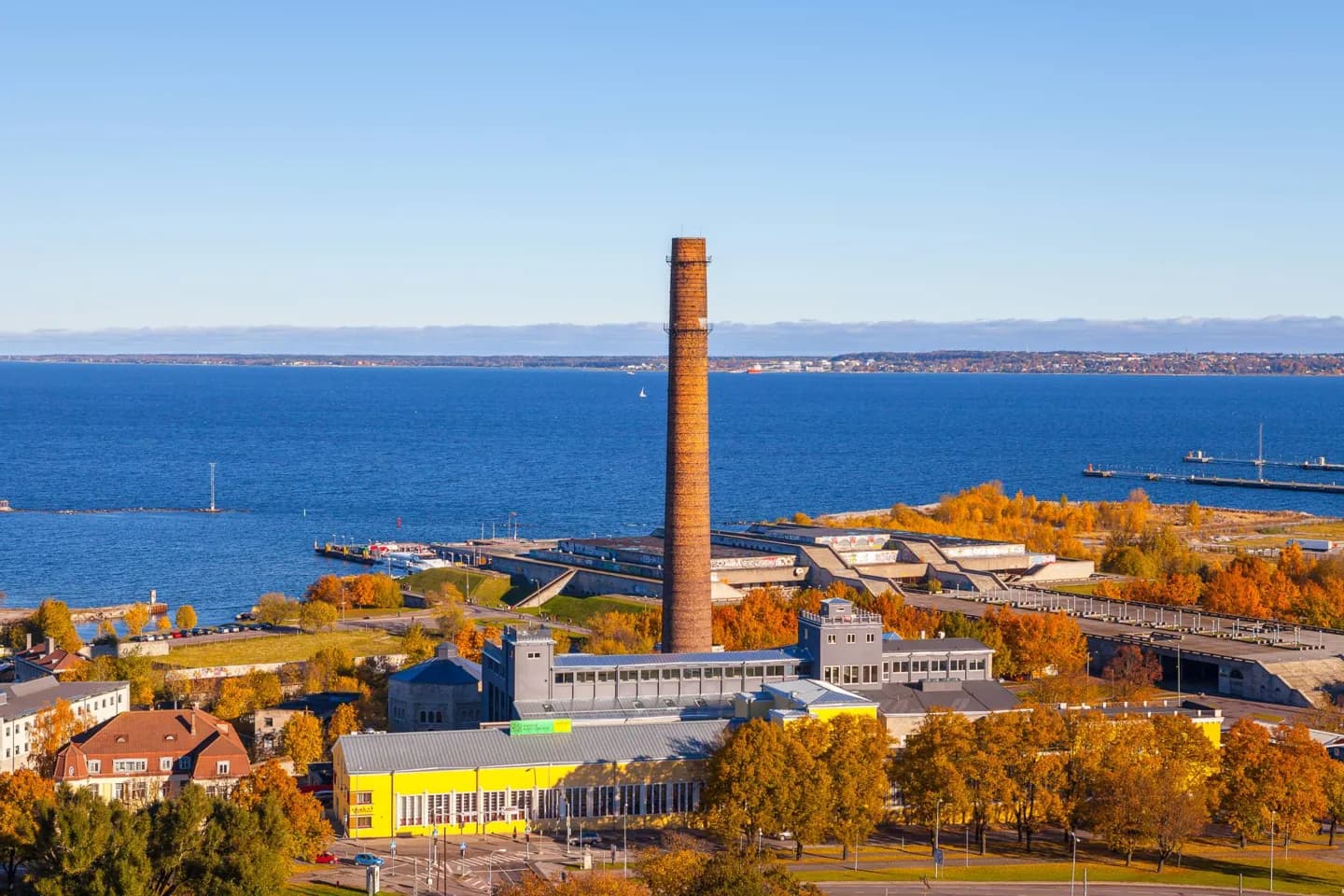
Linnahall makes the scale and style of late Soviet public architecture unusually tangible near the Old Town. Its stepped concrete form faces the sea, and a walk around the exterior puts that 1980 project in the setting it was built to occupy.
What to look for
- The low, stepped concrete mass sits just beyond Old Town by the harbor.
- Its seaward setting connects the building with Tallinn's 1980 Olympic preparations.
The full story
Linnahall was completed in 1980 as part of Tallinn's preparations for the Moscow Summer Olympics. Moscow was inland, so the Olympic sailing events took place in Tallinn; the city also built sports and entertainment facilities for the occasion. This former concert and sports venue was one of them. Architects Raine Karp and Riina Altmäe designed its vast concrete form beside the harbor, just beyond the Old Town walls. Originally named the V. I. Lenin Palace of Culture and Sport, it later became known as Linnahall. The change of name marks a political shift, while the building's shape remains a strong reminder of the era in which it was made. Its interior is closed to ordinary visitors, so the useful visit is to read its broad, stepped silhouette from the surrounding area and look toward the seafront.
Useful to know
- Plan this as an exterior stop; entry to the building is available only on a guided tour.
- Check current access information before relying on a particular path around the structure.
Your next visit
Estimated · Declared scenario and planning estimates; no live opening, weather, queue or booking service.
Outdoor visit · 30–45 min
World planning estimate; admission, opening, visit duration and access need checking.