
Why go
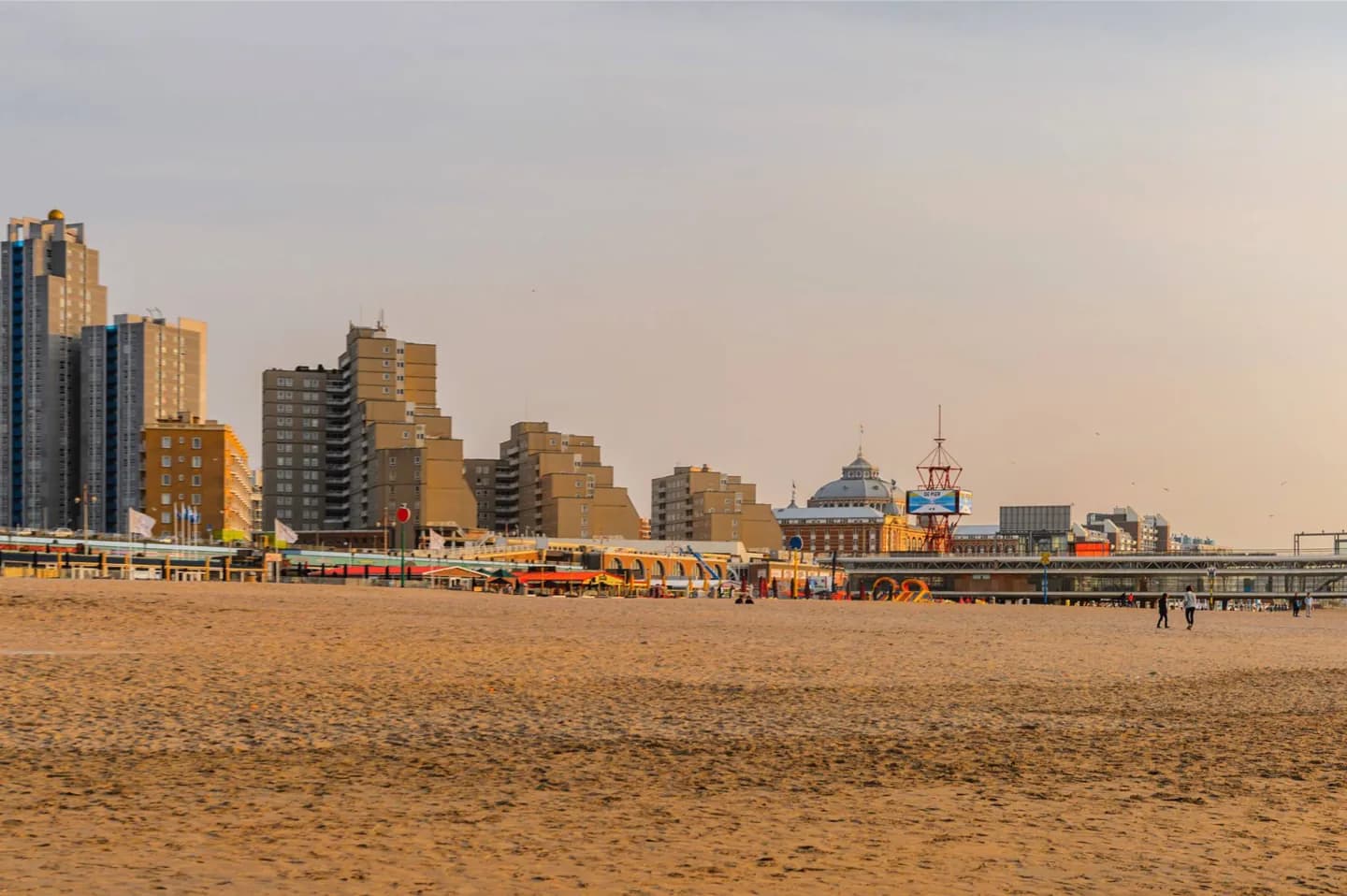
Walk beyond the Binnenhof to notice how The Hague differs from nearby canal-centred towns such as Delft and Leiden. Its broad streets, large houses and civic buildings speak to a city long shaped by government, diplomacy and wealthy households. The North Sea and Dutch-Indonesian connections widen that story beyond the centre.
The full story
The historic centre is not a tight ring of canals and walls. Near the Hofvijver and Binnenhof, smaller old streets give way to spacious routes lined with houses built for affluent families and diplomats. Churches, former palaces and civic buildings from different centuries make the centre a layered walk rather than a single-period scene. The view changes again at the coast: Scheveningen and Kijkduin put the North Sea within the same city. The Hague's links with the former Dutch East Indies, now Indonesia, also left traces in street names and in the city's Indo, or Dutch-Indonesian, heritage. Notice those names as evidence of a complicated colonial past rather than as decorative labels. On a central walk, compare the scale of the court quarter with the broader streets beyond it. Save the coast for a separate stretch of time so that its character does not disappear into a quick transfer.