
Why go
Use the White Tower on the seafront, the Galerius monuments in the centre and the churches toward Upper Town as reference points. The Roman Forum, Panagia Chalkeon and the Bezesteni show how civic, Christian and Ottoman buildings occupy nearby streets yet tell different parts of Thessaloniki's story.
The full story
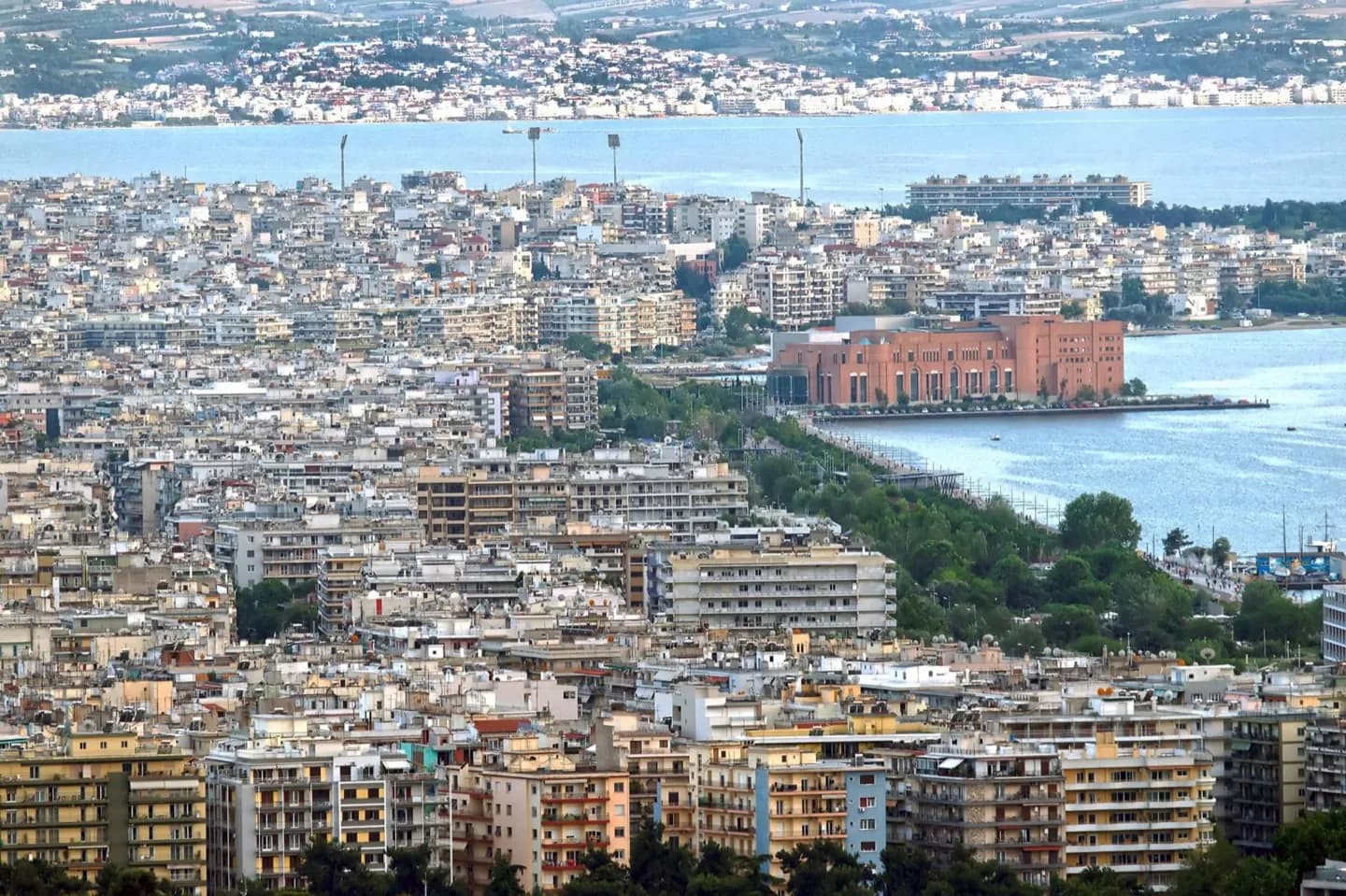
Thessaloniki's skyline does not belong to one century. The White Tower marks the waterfront and recalls a later fortified city. Inland, the Roman Forum and Galerius's arch, Rotunda and palace remains show a city important to imperial rule. Some Roman structures later acquired very different roles: the Rotunda, for example, passed through Christian and Ottoman uses. Churches carry much of the early Christian and Byzantine story. Agios Dimitrios and Hagia Sophia are large landmarks, while Panagia Chalkeon and other smaller churches reveal different plans and decorative traditions within ordinary streets. Ottoman buildings add another layer. The Bezesteni was a covered market, and surviving hamams and mosques show functions that the church monuments alone cannot explain. In Upper Town, the walls and Heptapyrgion extend the story to defence and the city's hills. Move between these anchors and the modern street pattern becomes easier to read: surviving buildings are fragments of several cities occupying the same ground.
Useful to know
- Start at the White Tower for waterfront orientation, then compare Roman and Byzantine layers inland.
- Save the walls and Heptapyrgion for an Upper Town walk that accounts for the climb.