
Why go
Look beyond individual monuments to the commercial streets around Kapani and the Bezesteni. They help explain why a city under Ottoman rule also became home to a large Sephardic Jewish population after expulsions from Iberia. Bey Hamam adds the public bath to this picture of urban life.
The full story
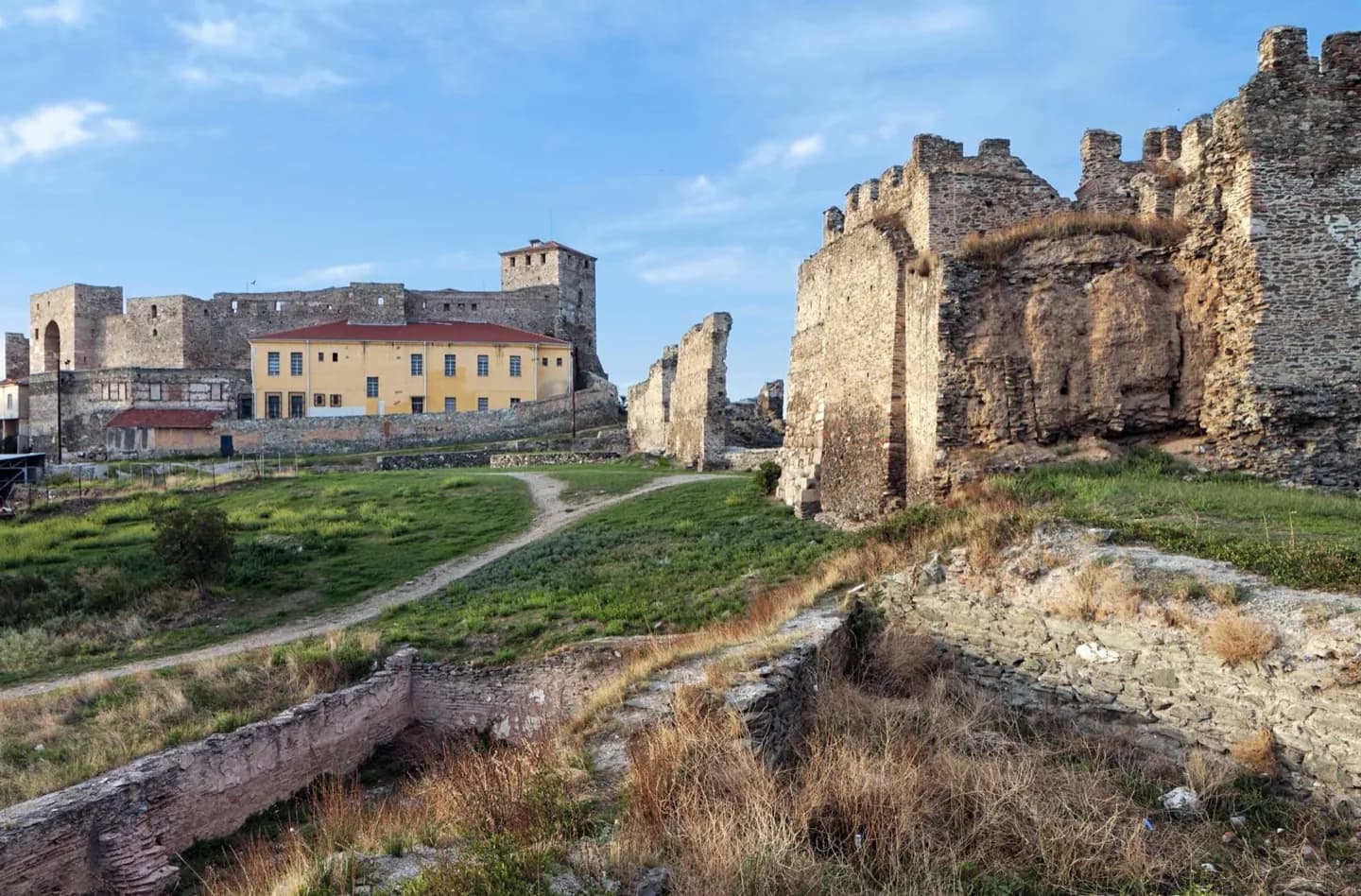
Ottoman forces captured Thessaloniki in 1430. The city continued to serve as a port, manufacturing centre and link between the Balkan interior and wider trade routes. Its population changed markedly after the expulsion of Jews from Spain in 1492: many Sephardic Jews settled here, alongside Greek Orthodox Christians, Muslims and the older Jewish community. Ladino became a major language of city life. That history cannot be reduced to one surviving structure, but the market district and Ottoman buildings show something of the commercial and public setting in which these communities lived. Bey Hamam and the Bezesteni offer two different traces, a bath and a covered market, close to the central streets. The later Ottoman decades also changed the urban edge. The removal of seafront fortifications and sections of older walls allowed the city to expand along the coast. Reading the markets together with the altered waterfront gives a fuller sense of Ottoman Thessaloniki than a monument checklist alone.