
Why go
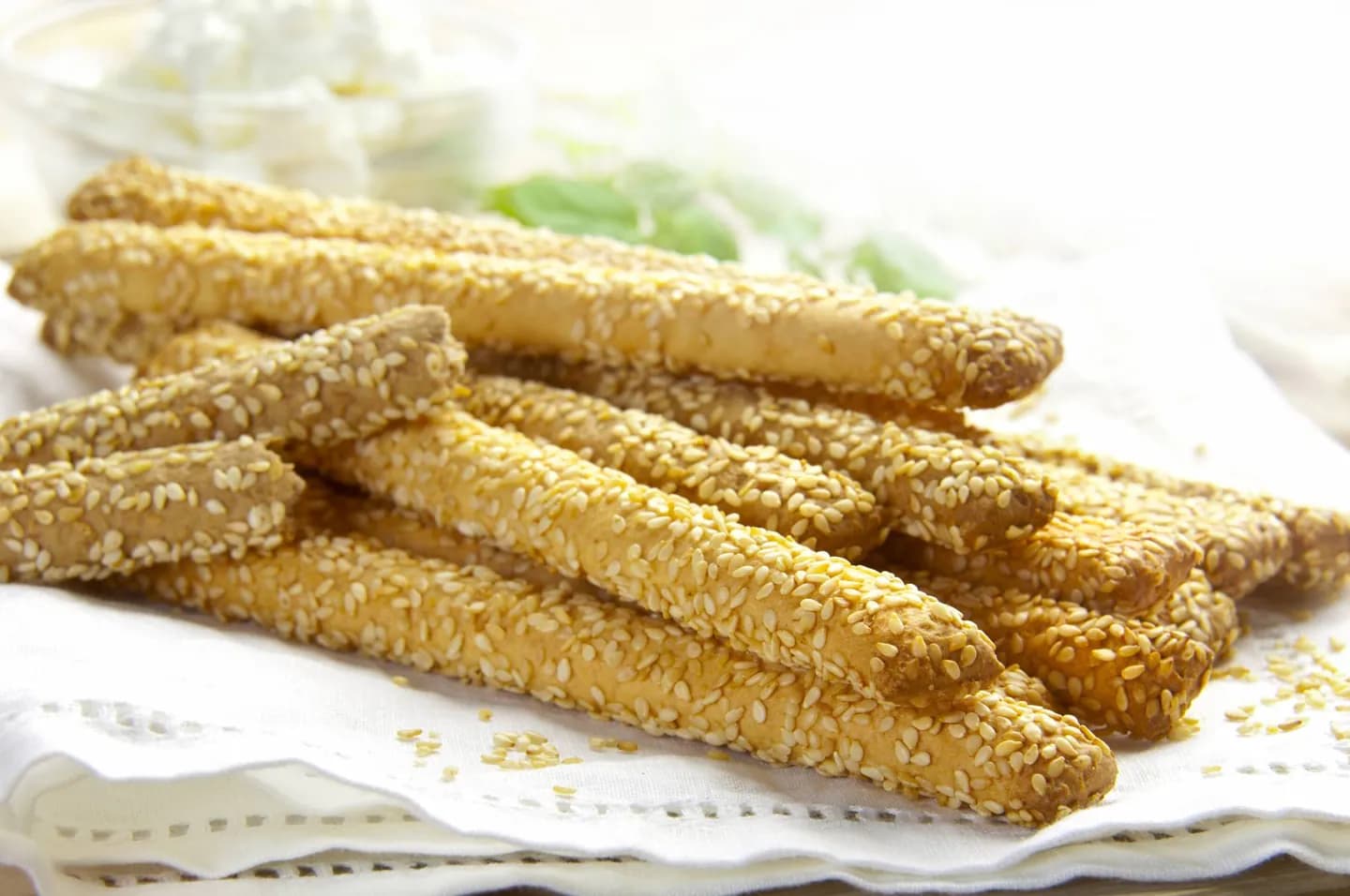
Thessaloniki's food makes its layered history tangible. A bougatsa pastry or sesame-coated koulouri suits a quick stop; meze in Ladadika invites a longer meal. For a northern Greek contrast, look for spicy tyrokafteri, mussel stew or pork with celery rather than relying on a generic Greek menu.
The full story
Thessaloniki's long Ottoman period and the arrival of refugees from Asia Minor and Constantinople helped shape a food culture with strong eastern and northern Greek connections. That history is easier to taste through a few contrasts than through a long list of dishes. Bougatsa is a familiar city breakfast pastry; koulouri is a simpler snack to carry away. A meze meal gives room to try several flavours, including tyrokafteri, a spicy cheese spread. Northern Greek cooking also uses seafood and meat in dishes such as mussel stew and pork with celery. Ladadika is one named area associated with tavernas, while the wider city is known for sweets such as trigona. Frappé has its own Thessaloniki link: the coffee drink was invented at the city's international trade fair in 1957. These foods tell different parts of the same story, from everyday street snacks to the region's shared Balkan and Mediterranean table.