
Why go
Choose the arrival station that reduces the final transfer to your accommodation. Seat availability, luggage rules, and service patterns vary, so confirm the operator’s current timetable and allow extra time to navigate large station complexes. Use Arriving in Tokyo by Train as the planning lens; details in Arriving in Tokyo by Train connect each choice with concrete places and timing.
The full story
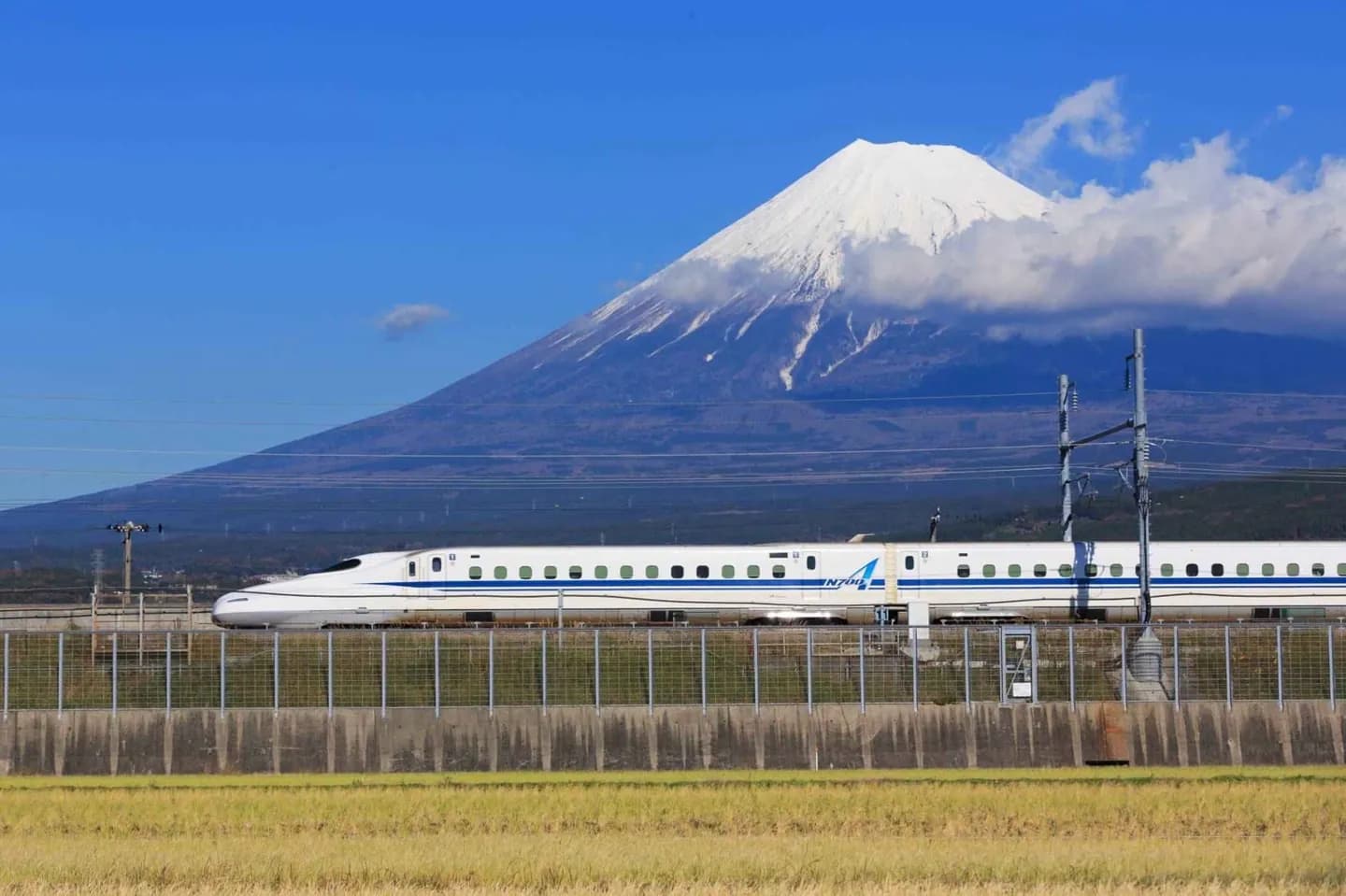
By train Tokyo is the nerve centre of railways in Japan. High speed Shinkansen services arrive at Tokyo Station which is located in the Chiyoda ward. For all trains on the northern route, you can get off at Ueno, while trains on the western route call at Shinagawa. Most non-Shinkansen services usually stops at Shibuya and Shinjuku stations as well. Ueno and Ikebukuro stations connect you to the northern suburbs and neighboring prefectures. There are multiple departures every hour from Kyoto and Osaka to Tokyo, with three types of shinkansen trains. The Nozomi is the fastest, with trains taking 2 1/2 hours from Osaka. The Hikari makes more stops and takes 3 hours, and the Kodama is the slowest, making all stops and reaching Tokyo in 4 hours. Note that Japan Rail Pass holders cannot use Nozomi trains. Multiple cities from the north offer direct shinkansen services to Tokyo, including Akita, Aomori, Fukushima, Hakodate, Kanazawa, Morioka, Nagano, Niigata, Sendai, Toyama, Yamagata and Yuzawa. All trains from these cities converge at Ōmiya in Saitama, then run south to Ueno and Tokyo stations. Although Japan is dominated by fast shinkansen trains there are still a couple of sleeper trains left: The Sunrise Izumo (サンライズ出雲) runs daily to Tokyo from Izumo while Sunrise Seto (サンライズ瀬戸) connects with Takamatsu, the largest city on the Shikoku island.
Useful to know
- Confirm current details from the relevant official operator before relying on this arriving in tokyo by train advice.