
Why go
Plan meals around the district you are already exploring instead of crossing the city for one name. Tsukiji suits a morning food browse, major stations offer broad practical choice, and evening districts reward advance planning when a particular restaurant matters. Use Eating in Tokyo as the planning lens; details in Eating in Tokyo connect each choice with concrete places and timing.
The full story
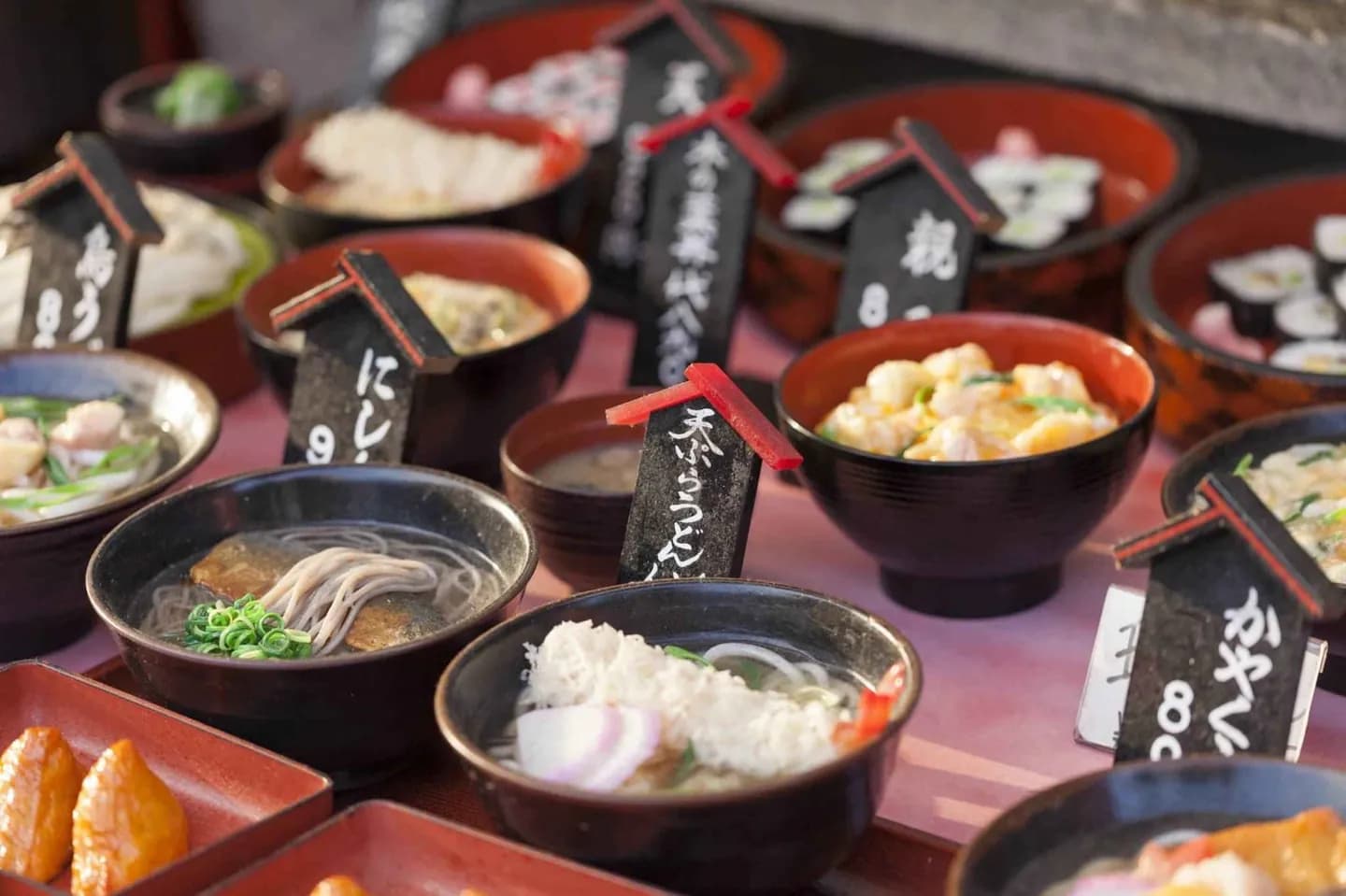
Eat The sheer quantity and variety of food in Tokyo will amaze you. Department stores have food halls, typically in the basement, with food which surpasses top delicatessans in other world cities. Some basements of train stations have supermarkets with free taste testers. It's a great way to sample some of the strange dishes they have for free. Tokyo has a large number of restaurants, so see the main Japan guide for the types of food you will encounter and some popular chains. Menus are often posted outside, so you can check the prices. Some shops have the famous plastic food in their front windows. Don't hesitate to drag the waiting staff out to the front to point at what you want. Always carry cash. Many restaurants will not accept credit cards. Tokyo has literally tens of thousands of restaurants representing more or less every cuisine in the world, but it also offers a few unique local specialties. Within Japan, Tokyo cuisine is best known for 3 dishes: sushi, tempura, and unagi . Nigirizushi (fish pressed onto rice), known around the world around simply as "sushi," in fact originates from Tokyo, and within Japan is known as Edo-mae zushi (Edo-style sushi). Another is monjayaki (もんじゃ焼き), a gooey, cabbage-filled version of okonomiyaki that uses a very thin batter to achieve a sticky, caramelized consistency.
Useful to know
- Confirm current details from the relevant official operator before relying on this eating in tokyo advice.