
Why go
The cityscape becomes clearer when viewed as layers: Edo-period gates and gardens, early modern civic buildings, postwar commercial blocks, and contemporary towers. Compare materials, setbacks, elevated infrastructure, and the way stations organize whole districts to understand why Tokyo looks so varied.
The full story
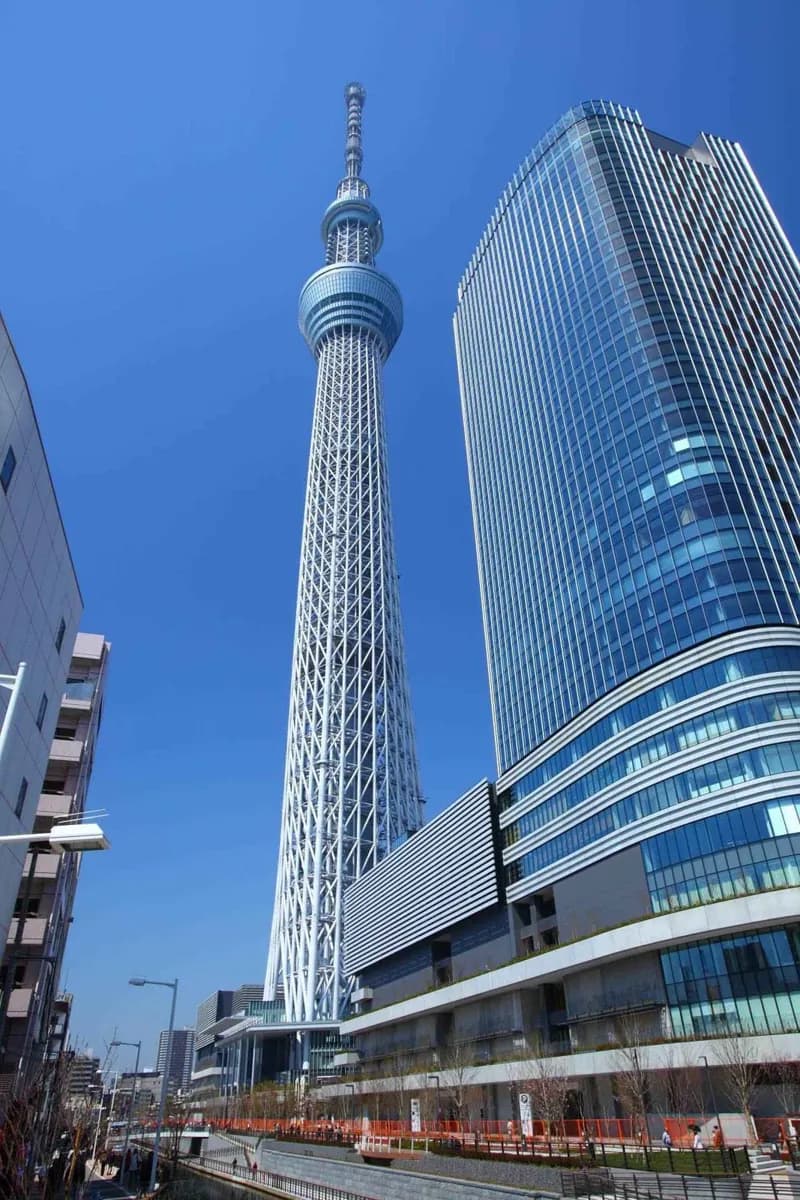
Cityscape Architecture in Tokyo has largely been shaped by Tokyo's history. Twice in recent history has the metropolis been left in ruins: first in the 1923 Great Kantō earthquake and later after extensive firebombing in World War II. Because of this, Tokyo's urban landscape consists mainly of modern and contemporary architecture, and older buildings are scarce. Tokyo features many internationally famous forms of modern architecture including Tokyo International Forum, Asahi Beer Hall, Mode Gakuen Cocoon Tower, NTT Docomo Yoyogi Building and Rainbow Bridge. Tokyo also features two distinctive towers: Tokyo Tower and the new Tokyo Skytree which is the tallest tower in Japan and the second tallest structure in the world after the Burj Khalifa in Dubai. Tokyo also contains numerous parks and gardens. There are four national parks in Tokyo Prefecture, including the Fuji-Hakone-Izu National Park, which includes all of the Izu Islands. Environment Tokyo has enacted a measure to cut greenhouse gases. Governor Shintaro Ishihara created Japan's first emissions cap system, aiming to reduce greenhouse gas emission by a total of 25% by 2020 from the 2000 level. Tokyo is an example of an urban heat island, and the phenomenon is especially serious in its special wards. According to the Tokyo Metropolitan Government, the annual mean temperature has increased by about 3 °C over the past 100 years.