
Why go
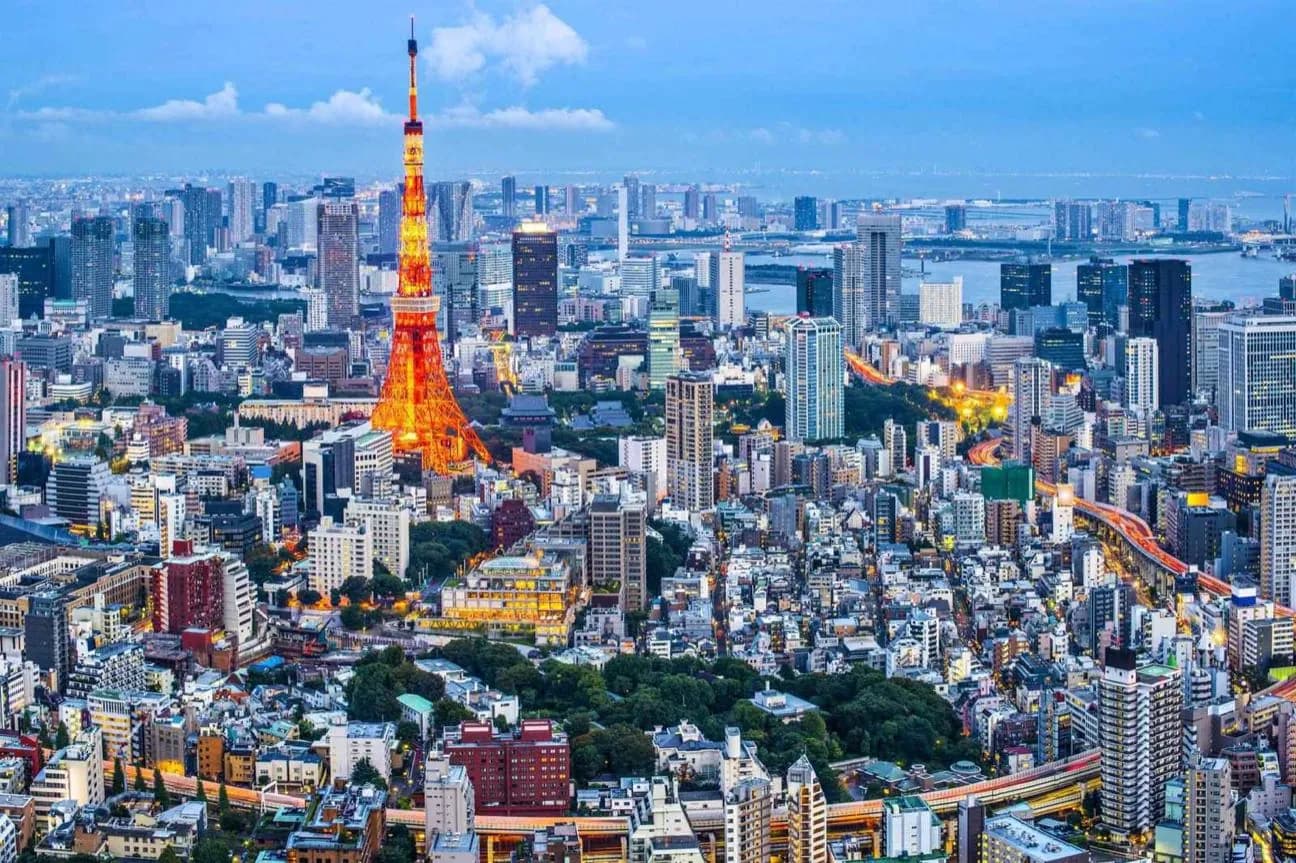
Reading Tokyo as a network of distinct centers makes the city easier to plan. Historic eastern districts, the imperial core, western commercial hubs, and the bayfront each support coherent outings, while the wider prefecture extends far beyond the familiar central wards.
The full story
The City Tokyo , English /ˈtoʊki.oʊ/), officially Tokyo Metropolis, is one of the 47 prefectures of Japan, and is both the capital and most populous city of Japan. The Greater Tokyo Area is the most populous metropolitan area in the world. It is the seat of the Emperor of Japan and the Japanese government. Tokyo is in the Kantō region on the southeastern side of the main island Honshu and includes the Izu Islands and Ogasawara Islands. Formerly known as Edo, it has been the de facto seat of government since 1603 when Shogun Tokugawa Ieyasu made the city his headquarters. It officially became the capital after Emperor Meiji moved his seat to the city from the old capital of Kyoto in 1868; at that time Edo was renamed Tokyo. Tokyo Metropolis was formed in 1943 from the merger of the former Tokyo Prefecture (東京府 Tōkyō-fu) and the city of Tokyo (東京市 Tōkyō-shi). Tokyo is often referred to as a city, but is officially known and governed as a "metropolitan prefecture", which differs from and combines elements of a city and a prefecture, a characteristic unique to Tokyo. The Tokyo metropolitan government administers the 23 Special Wards of Tokyo (each governed as an individual city), which cover the area that was the City of Tokyo before it merged and became the metropolitan prefecture in 1943.