
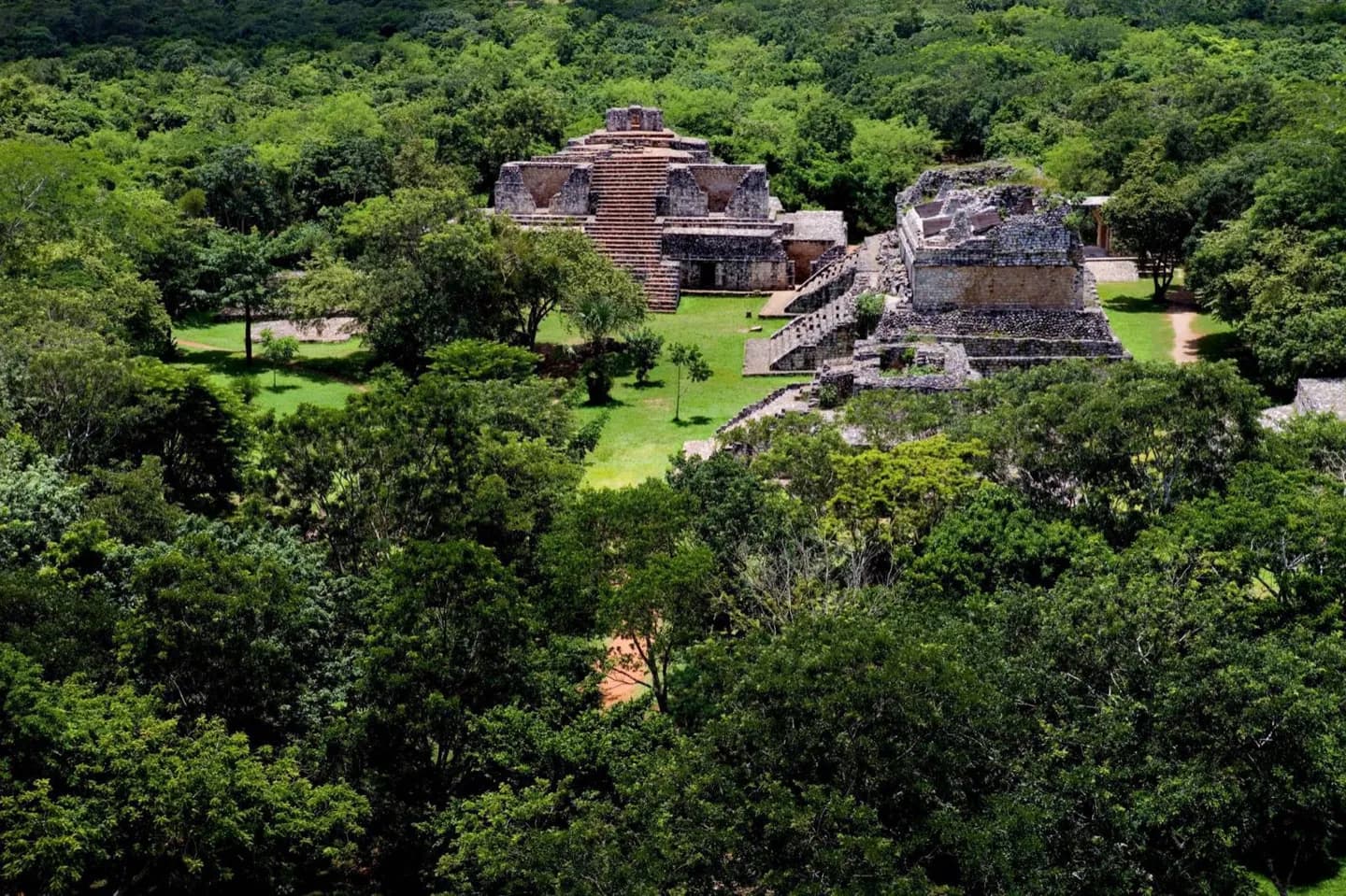
Why go
This context keeps Tulum from standing in for every Maya city. Classic centers such as Tikal and Palenque developed in different landscapes and centuries, while later northern sites followed other paths. Maya writing, art and calendars were shared traditions, but political power shifted and local cultures differed. Maya peoples still live across the region.
The full story
The Maya were never one unified empire. Communities speaking related languages lived across the Yucatán Peninsula, the southern lowlands and the highlands, and their cities often competed with one another. They developed writing, calendars, farming traditions and distinctive art over many centuries. Classic centers such as Tikal and Palenque belonged to an earlier chapter than most of Tulum’s standing buildings. When some southern lowland kingdoms declined, Maya life continued elsewhere, including in the north. Tulum grew as a coastal center in that later landscape. Older accounts sometimes imagined the Maya as a peaceful people devoted only to astronomy, but inscriptions and other evidence reveal rival rulers and warfare alongside artistic and intellectual work. Spanish conquest changed these societies profoundly; it did not erase them. Maya languages and communities remain present in southeastern Mexico and Central America. Hold that wider history in mind when seeing Tulum: its small temples and sea-facing wall represent one particular place and period, not an entire civilization.