
Why go
The dated inscription associated with Tulum's Temple of the Initial Series becomes more meaningful when a Maya date is understood as several counts working together. The calendar recorded historical events as well as repeating cycles, so a number on stone can identify a particular moment.
The full story
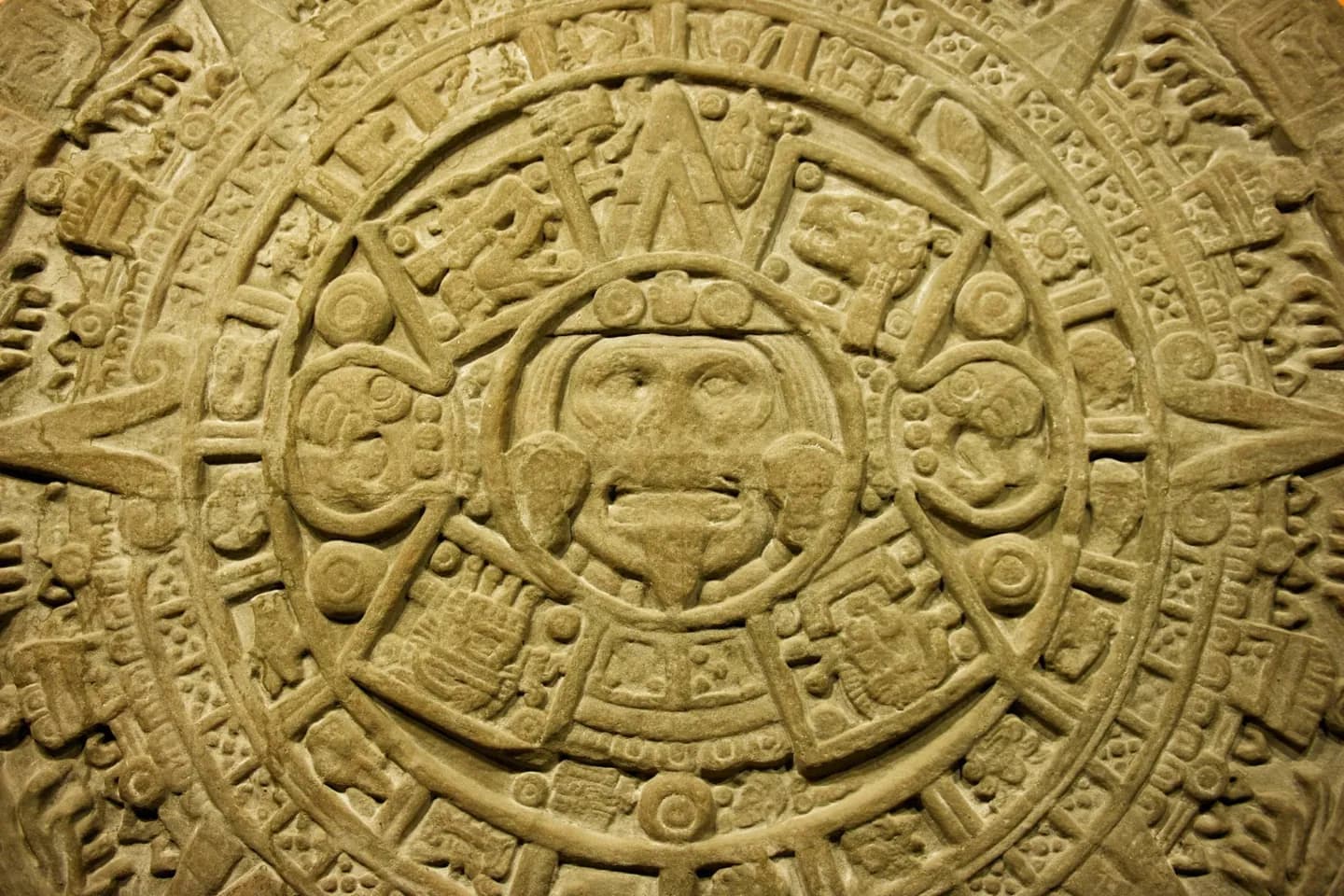
The Maya used more than one calendar count. A 260-day sequence pairs day names with numbers and has ritual significance. A 365-day count follows a year of named periods. Together they form a Calendar Round: the same pairing returns after 52 cycles of the 365-day count. This lets a date describe a position within a repeating pattern. For dates that needed a longer historical reach, scribes used the Long Count, a running total of days from a mythic starting point. Its positions mostly follow a base-twenty pattern, though one position changes to create a 360-day unit. Inscriptions could combine the Long Count with the shorter counts, giving readers several ways to locate an event in time. At Tulum, a label mentioning an Initial Series refers to the opening part of such an extended calendrical inscription. Look for ordered groups of numbers and glyphs rather than a single calendar wheel. The system remained connected to living Maya communities beyond the ancient monuments; it was never just an archaeological puzzle.