
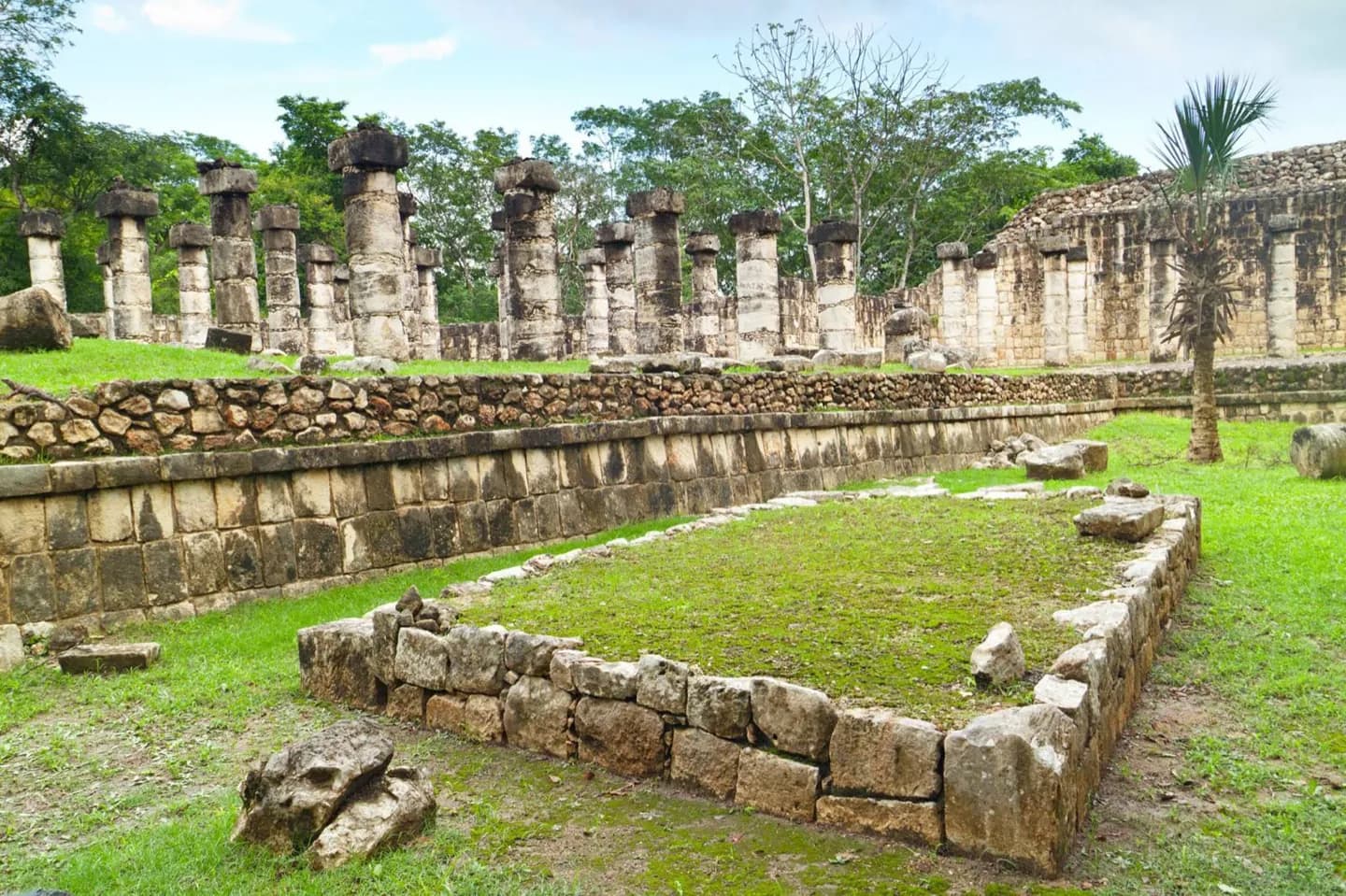
Why go
This history helps you read a quiet plaza as evidence of political change, rather than a city destroyed in a single disaster. Compare the last carved dates at Copán, Tikal and Toniná, then remember that later Maya communities and cities continued elsewhere, including in the Yucatán.
The full story
From the late eighth century into the tenth, many royal centres in the southern Maya lowlands stopped raising dated monuments and undertaking large construction projects. The final known dates cited for Copán, Tikal and Toniná fall in different years, showing that this was a regional process rather than one simultaneous event. Populations fell and some centres were abandoned, while political life took different forms in other parts of the Maya world. The royal system had made rulers highly visible through building, ceremony and inscriptions. When those records cease, they show a change in public power as well as in architecture. Scholars have proposed warfare, pressure on land and food supplies, environmental change and shifting trade among the possible causes. The evidence does not establish one cause for every city. Read a deserted ceremonial core as the remains of changing communities and institutions, not as proof that Maya people vanished.