
Why go
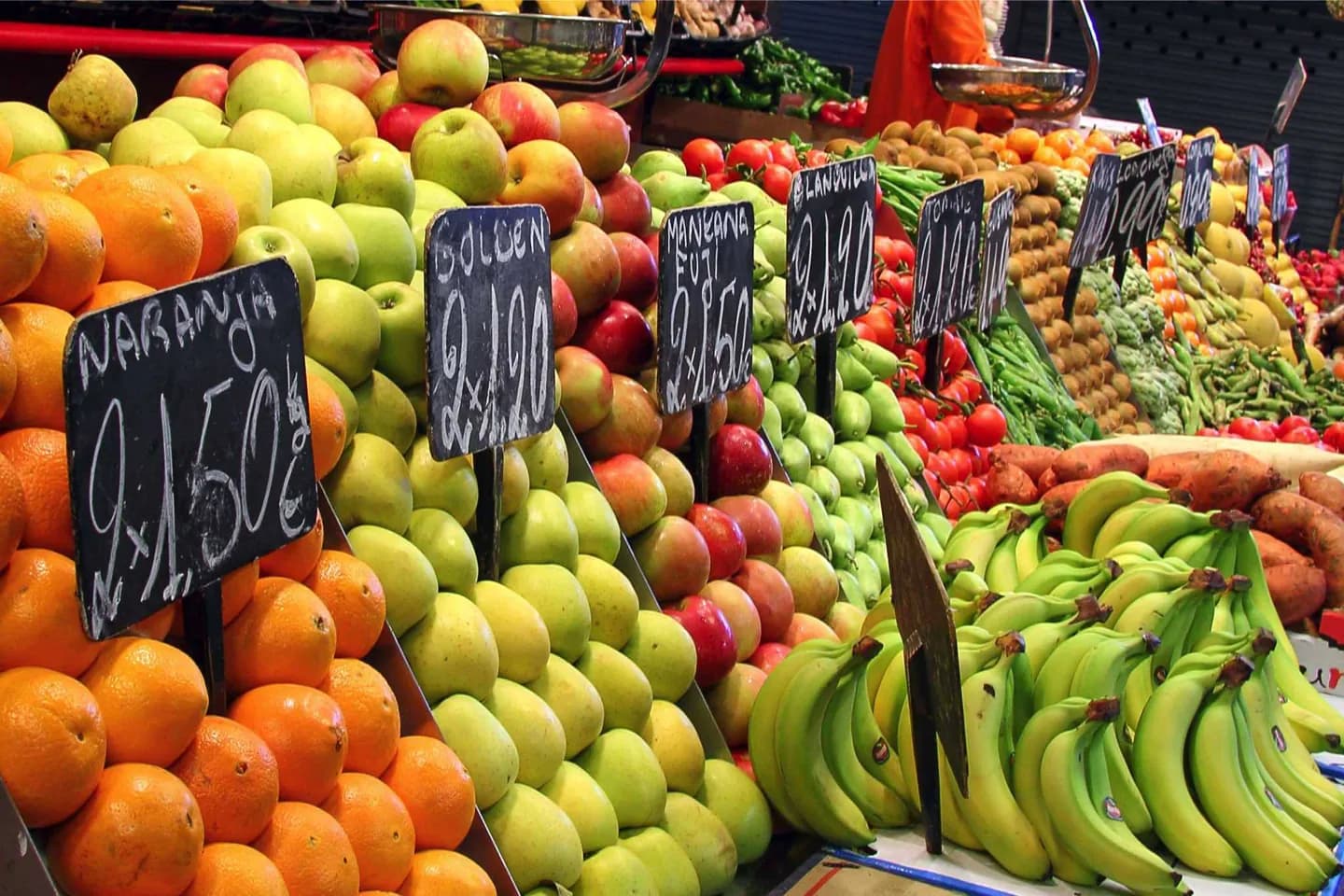
This area puts everyday Turin beside its older city edge. The open-air market gives Piazza della Repubblica its character, while the different market buildings show how trade has continued to shape the neighbourhood. It pairs naturally with a look at Porta Palatina to the south.
What to look for
- The market spreads across Piazza della Repubblica.
- The historic Orologio iron canopy contrasts with newer covered market architecture.
- Porta Palatina marks the nearby old city edge.
The full story
Porta Palazzo grew where the old city met its northern approaches. The nearby Roman gate gave the district its name, but its later identity was forged by trade. As Turin expanded beyond its walls, new streets and arcaded buildings shaped what became Piazza della Repubblica. Nineteenth-century planning gave the square a more defined form, and markets shifted here from smaller central spaces. The result is an unusually large trading ground with layers of shelter and building design, from the historic iron canopy to newer covered facilities. The area makes most sense when seen as a working market district rather than a single monument. Its public square remains part of the city outside trading times, but the goods, voices and movement of stalls are what reveal the reason this place developed as it did.
Useful to know
- Visit when the market is actually trading if stalls are your main reason to go.
- Walk south to Porta Palatina to connect the market district with the Roman gate.