
Why go
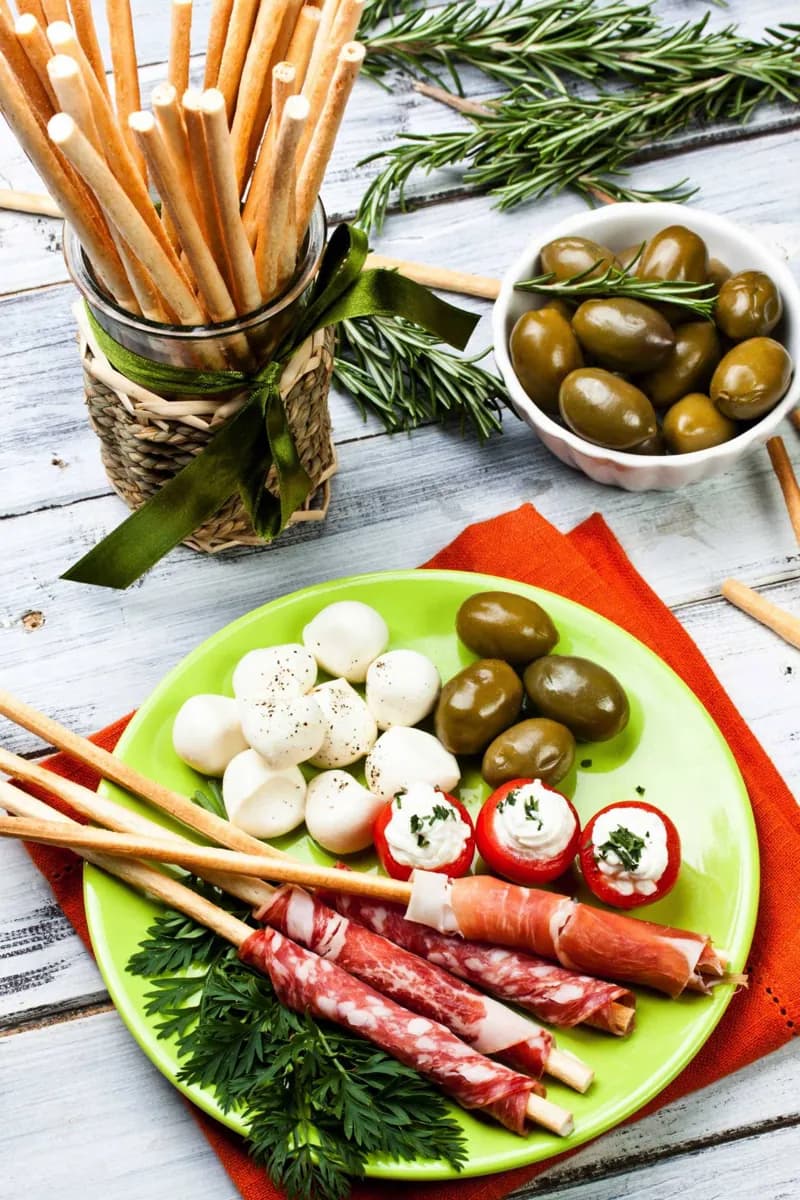
Food is a useful way to read Turin's history beyond its palaces. The city's cooking grew from local, practical dishes as well as courtly dining influenced by France. Look for grissini, including the rolled rubatà style, and gianduiotto to see how familiar ingredients became local signatures.
What to look for
- Grissini include stretched sticks and the rolled style known as rubatà.
- Gianduiotto combines chocolate with Piedmontese hazelnuts in a small wrapped sweet.
- The contrast between rural cooking and Savoy court tastes helps explain Turin's varied food traditions.
The full story
Turin's cooking developed through two connected worlds. Rural Piedmont supplied ingredients and everyday methods, while the Savoy court encouraged more elaborate food and absorbed influences from France. That contrast is more useful than a single fixed list of dishes: it explains why simple breads and carefully made sweets both belong to the city's food story. Grissini, the thin breadsticks associated with Turin, come in stretched and rolled forms; the rolled kind is called rubatà. Chocolate offers another thread. Gianduiotto combines cocoa, sugar and hazelnuts from Piedmont into a distinctive wrapped sweet, linking a local crop with the city's confectionery craft. Later migration brought other regional Italian food traditions to Turin as well. When choosing what to taste, start with these recognisable local forms, then allow for a food scene that has changed over time rather than expecting every menu to follow one historic pattern.
Useful to know
- Try more than one style of grissini to notice the difference between stretched and rolled breadsticks.
- Use gianduiotto as a starting point for Turin's chocolate tradition, then explore other local foods on their own terms.