
Why go
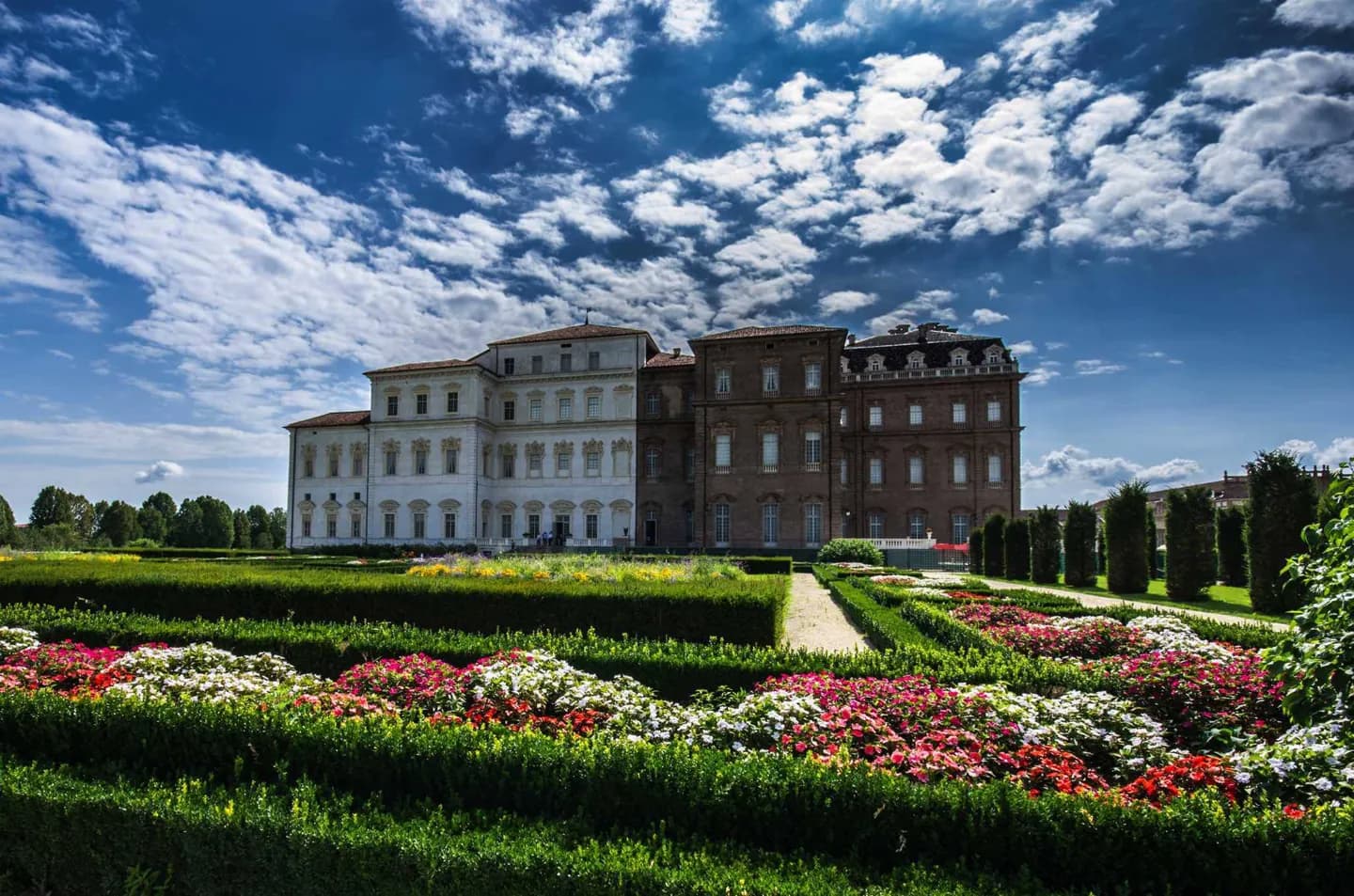
Venaria shows the Savoy rulers thinking at the scale of a palace, gardens and town. The Great Gallery and ceremonial rooms supply the architectural drama; the adjoining gardens reveal the designed setting. La Mandria park lies nearby, but its woodland trails and Borgo Castello form separate experiences that need their own time.
What to look for
- The Great Gallery makes light and long perspective central to the palace visit.
- Ceremonial rooms show the residence’s courtly role.
- Formal gardens extend the palace composition outdoors.
The full story
The Savoy rulers developed Venaria north of Turin as a royal base connected with hunting. Amedeo di Castellamonte began the residence for Charles Emmanuel II in the seventeenth century, and later architects enlarged and reshaped it. Filippo Juvarra’s work helped give the complex its grand ceremonial character. The palace was more than an isolated country house: the adjoining settlement and designed grounds formed part of a wider court landscape. Military use and the loss of the older gardens later changed that setting, before a major restoration returned the residence to public view. Move from the palace rooms toward the present gardens to grasp the scale of the undertaking. The nearby La Mandria landscape continues the hunting story, but its woodland and private royal apartments tell a different chapter from the grand public rooms at the Reggia.
Useful to know
- Treat the palace and gardens as a substantial excursion from central Turin.
- Decide in advance whether to add nearby La Mandria; its park and castle are separate visits.
- Check the official palace and garden access details for your chosen day.
Your next visit
Estimated · Declared scenario and planning estimates; no live opening, weather, queue or booking service.
Outdoor visit · 30–45 min
World planning estimate; admission, opening, visit duration and access need checking.