
Why go
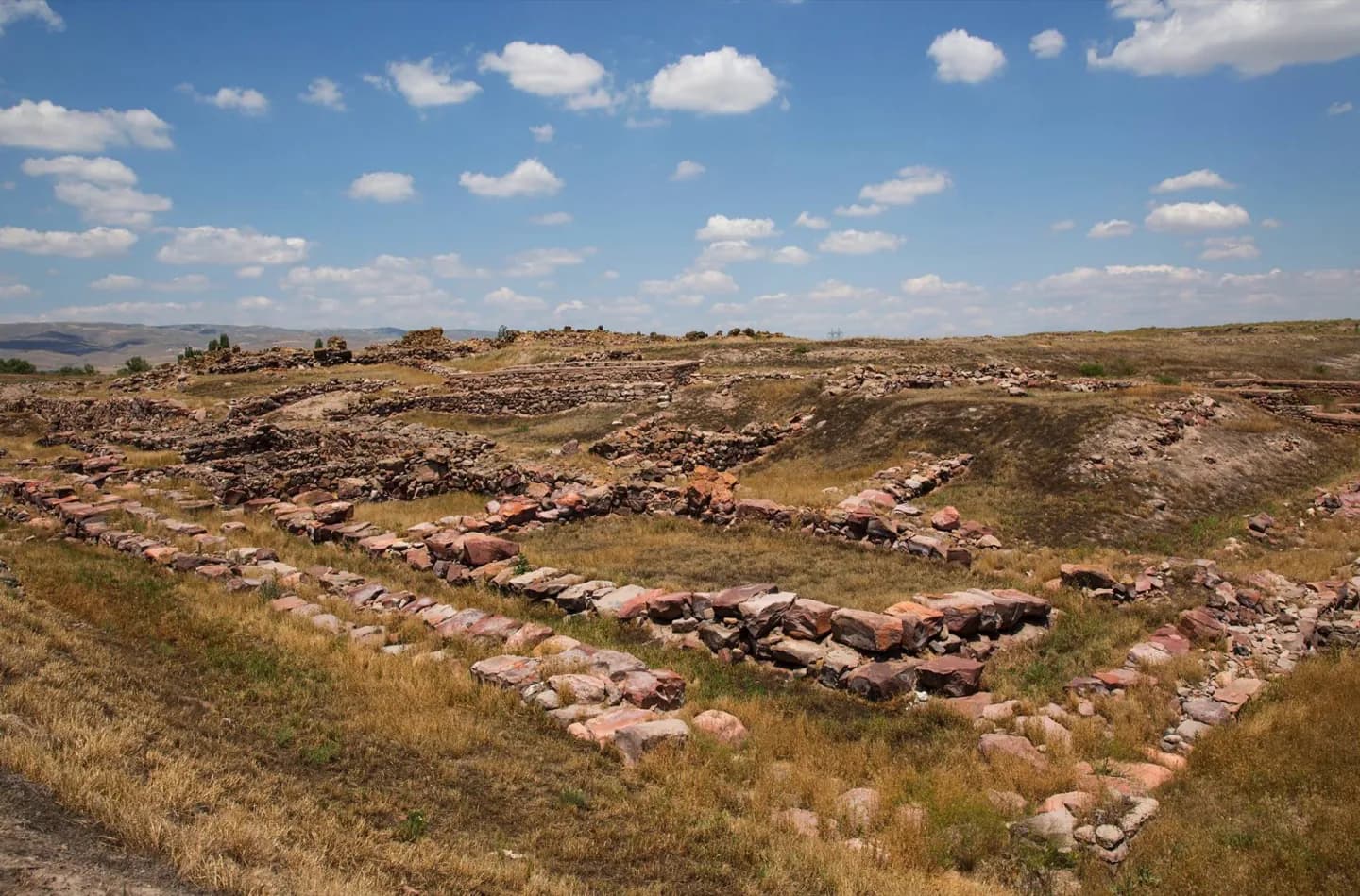
These places give context to a journey that might otherwise start with the classical cities. Göbekli Tepe points to early communal building, Çatalhöyük to settled Neolithic life, and Troy to a settlement that continued through many periods. They are spread across the country, making them anchors for separate regional plans rather than one short circuit.
The full story
Anatolia has supported communities since prehistoric times, and Eastern Thrace also has a long record of human settlement. The sites tell different parts of that story. Göbekli Tepe, in southeastern Anatolia, is associated with monumental structures from around the tenth millennium BC. Çatalhöyük, in southern Anatolia, grew into a large Neolithic settlement. Troy, near the Dardanelles, began in prehistory and remained occupied into the Iron Age. Seeing them as distinct settlements helps make sense of the long span between the first farming communities and the better known ancient cities. Later, central and eastern Anatolia were home to peoples including the Hattians and Hurrians. The Hittites built a powerful kingdom in the second millennium BC. After its collapse, Phrygia and other regional powers rose, while Lydia, Caria and Lycia became important in western and southwestern Anatolia. These changing cultures explain why archaeological remains across Turkey do not belong to a single civilization or era.