
Why go
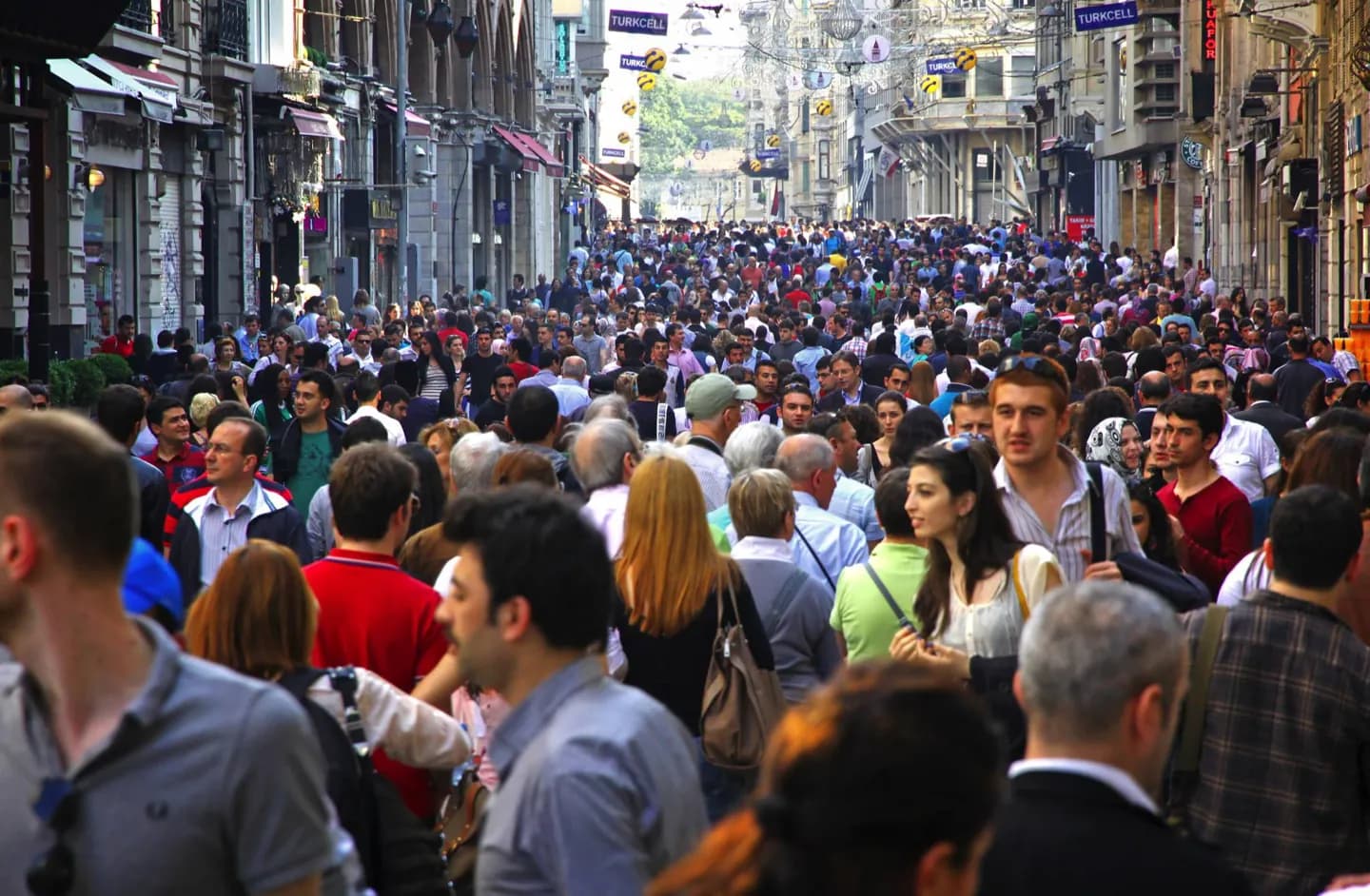
Understanding the difference between citizenship, ancestry and language gives more meaning to a journey across Turkey. Kurdish communities have deep roots in the east and southeast and are also present in Istanbul and other western cities. Armenian, Greek and Jewish histories form another part of the country’s social landscape.
The full story
The word “Turkish” can refer to citizenship or to an ethnic identity; the two meanings are not interchangeable. Older population figures offer little help in describing today’s mix, and official census data does not give a full ethnic breakdown. Kurdish is spoken in several varieties, including Kurmanji, while Arabic, Zaza and other languages also belong to Turkey’s linguistic landscape. Kurdish communities are especially associated with the east and southeast, yet internal migration has carried them into major cities across the country. Armenian, Greek and Jewish communities have long histories in Anatolia and Istanbul. Along the Black Sea and elsewhere, smaller language communities add further layers. Keep these distinctions in mind when moving between regions: a national map or a single language label cannot describe everyone who lives there.