
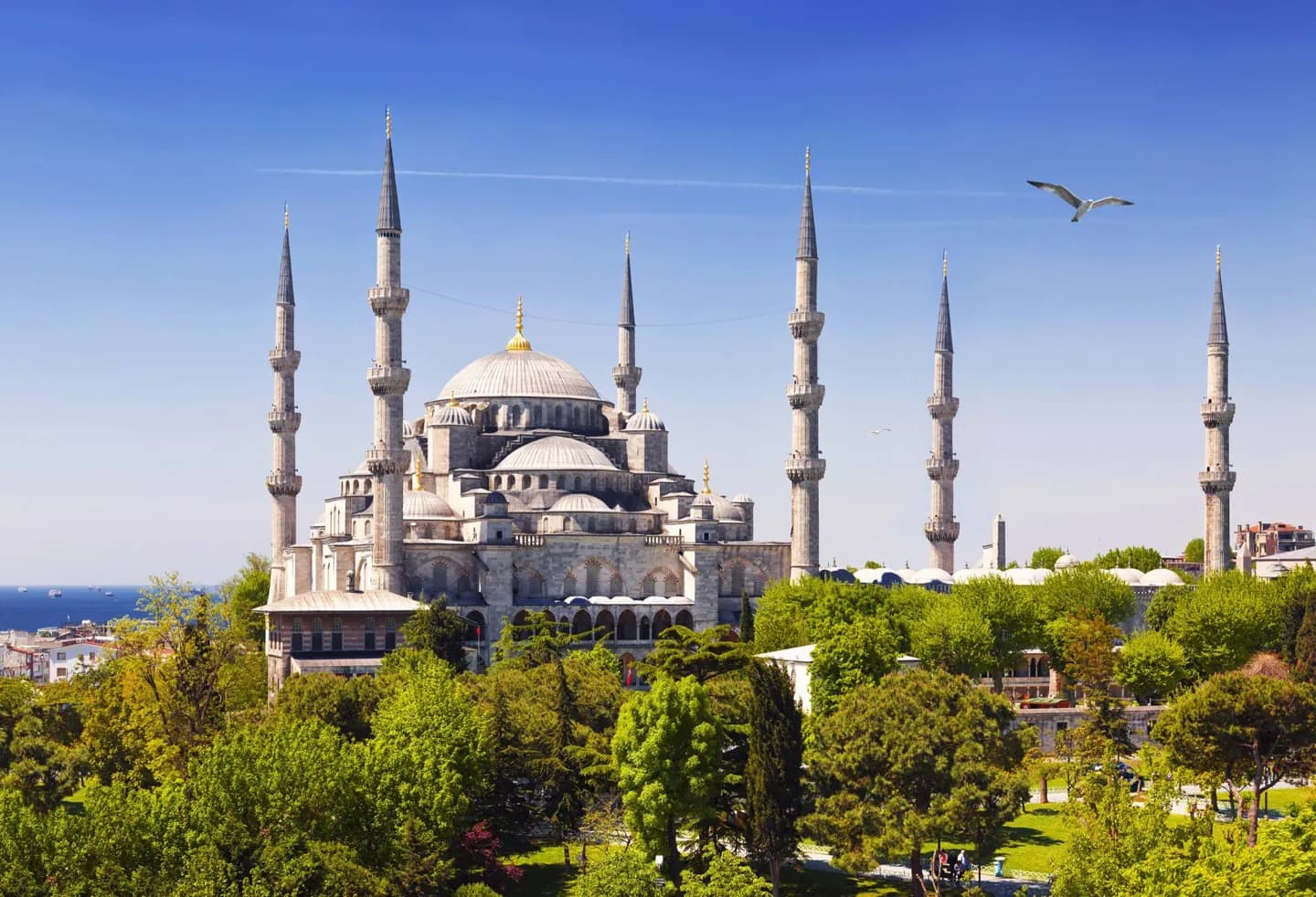
Why go
A mosque visit makes more sense when set beside Turkey’s broader religious past. The Ottoman and republican periods shaped different public roles for faith, while communities with distinct traditions continued to live in the same country. Istanbul’s churches and Jewish heritage offer visible points of comparison.
The full story
Islam has a major place in Turkey’s public life, but it does not describe every tradition within it. Sunni and Alevi communities have different religious histories, and Sufi traditions have also been part of the landscape. Christian communities include Armenian, Greek Orthodox and other denominations. The Eastern Orthodox Church has long had its seat in Istanbul. Jewish communities have lived in Anatolia since antiquity; Sephardi Jews who left Iberia also settled in the Ottoman Empire. The population balance changed sharply during the late Ottoman and early republican periods, including through violence, migration and the population exchange between Greece and Turkey. Those histories help explain why religious buildings and community traces can stand close together in Istanbul even as their present-day congregations differ in size.