
Why go
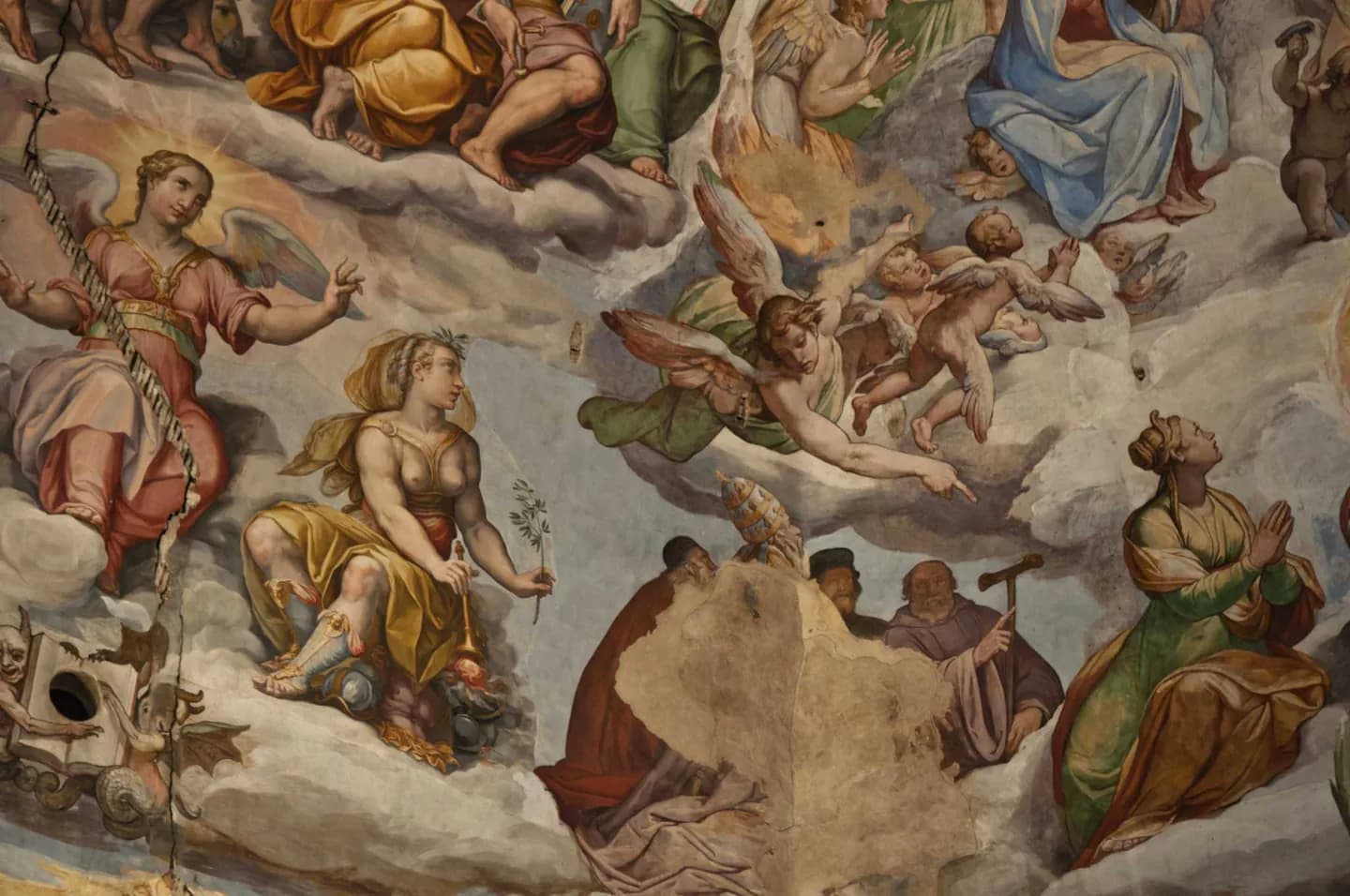
See Botticelli's Birth of Venus at the Uffizi, then widen the comparison. Siena's painters such as Duccio and Simone Martini favored graceful, often devotional images; Pisa and Lucca developed their own medieval painting and sculpture. Churches and cathedral spaces put many works closer to their original setting.
The full story
Florence gives visitors a concentrated account of change in Tuscan art. Giotto's interest in figures and space helped open a path that later artists such as Masaccio, Donatello and Brunelleschi explored in painting, sculpture and architecture. The Uffizi holds Botticelli's Birth of Venus; the Bargello and Pitti Palace extend the story through different collections. But the region's artistic history is not a single Florentine sequence. Siena's school, represented by Duccio, Simone Martini and the Lorenzetti brothers, developed a refined devotional language that often differs from Florentine naturalism. Pisa and Lucca had medieval traditions of painting and sculpture as well. Much Tuscan art remains connected to churches and cathedrals: Florence, Siena and Pisa all provide important architectural settings, while San Gimignano's Collegiata adds another. Pairing a museum with a religious or civic setting helps show how works were seen before they became isolated masterpieces.