
Why go
Use this overview to choose the kind of Tuscany you want to explore: Renaissance collections in Florence, medieval streets in Siena or San Gimignano, planned urban space in Pienza, cultivated hills in the Val d'Orcia, or Pisa's cathedral square. The coast and wine areas add further reasons to leave the capital.
The full story
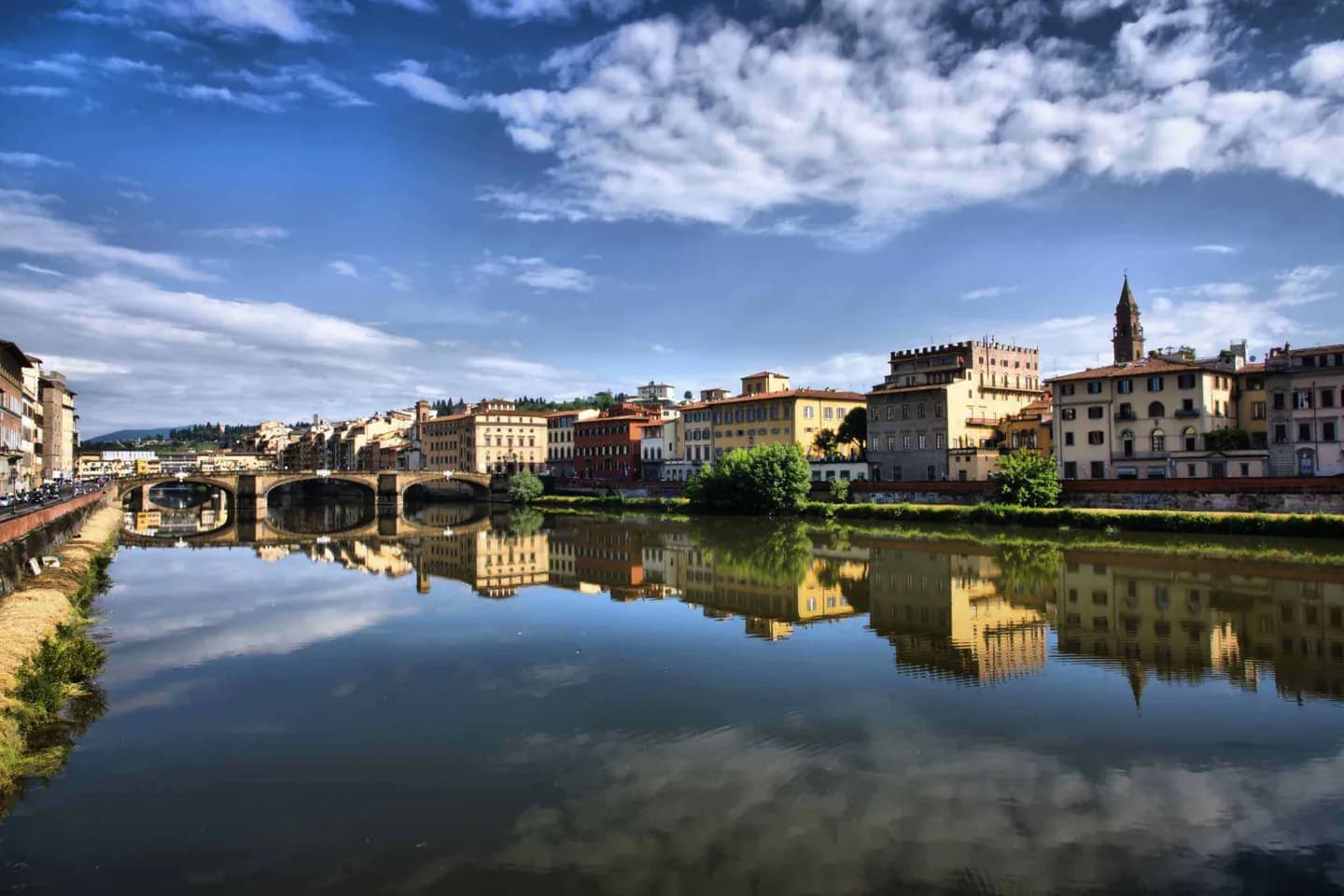
Florence concentrates many of Tuscany's best-known works of art, including Botticelli's Birth of Venus at the Uffizi, and it makes an obvious first stop. The wider region should not be read as Florence's backdrop. Siena retains a historic centre with its own civic character; San Gimignano is marked by its medieval towers; and Pienza represents a Renaissance ideal of town planning. The Val d'Orcia brings these settlements into conversation with fields and hills shaped by agriculture. Pisa's Piazza del Duomo expresses the ambition of a former maritime republic through its cathedral, baptistery, cemetery and leaning bell tower. Wine also maps distinct areas: Chianti and Brunello di Montalcino are Sangiovese reds, while Vernaccia di San Gimignano is a white. A trip focused on painting will feel different from one built around hill towns, landscape or the Tyrrhenian shore. Decide which contrast matters most, then allow time to see it properly.