
Why go
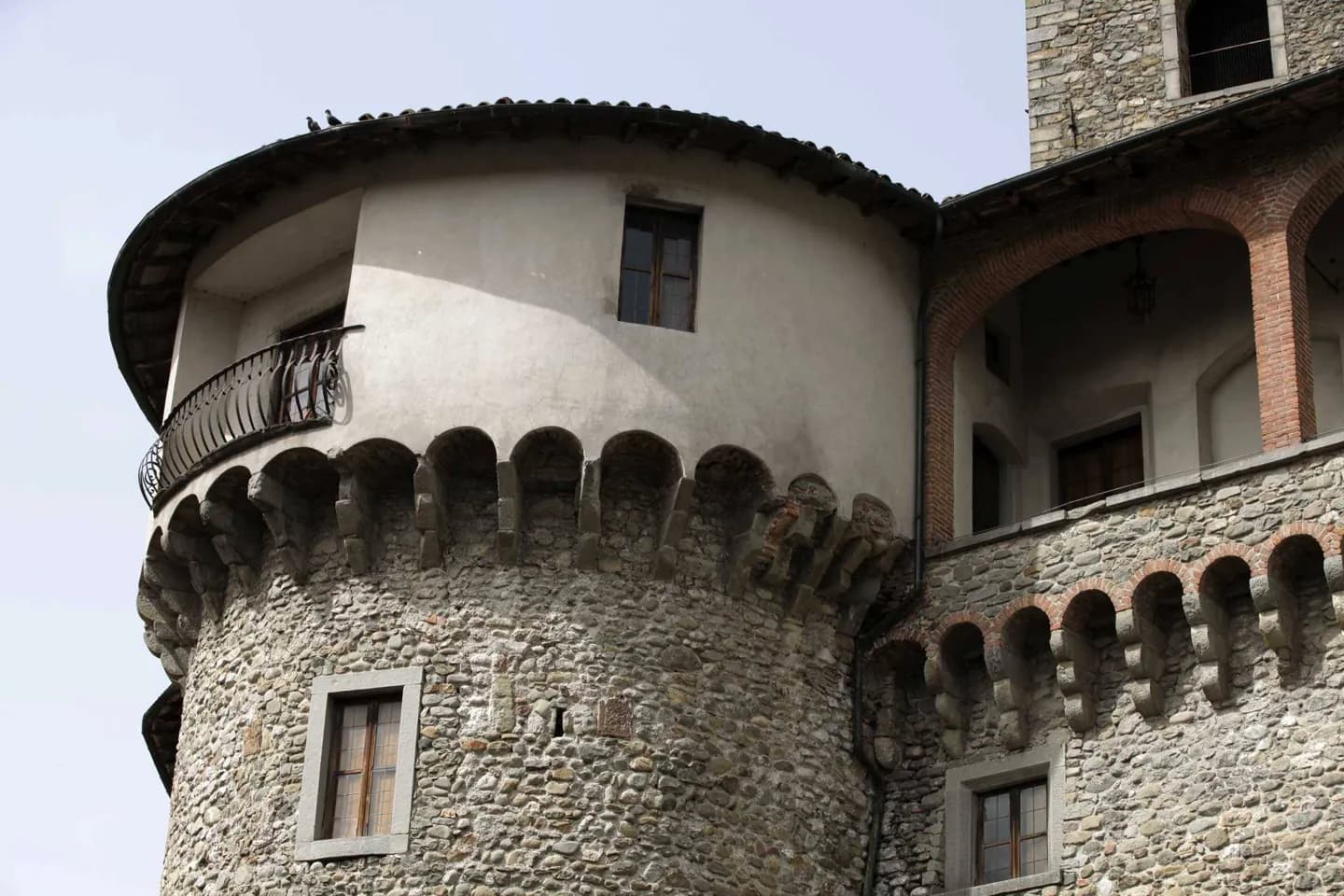
The Rocca Ariostesca dominates the main square, making the town's role as a fortified Garfagnana centre easy to see. Its position between the Apennines and Apuan Alps also explains why trade and competing powers valued this river junction. The main square offers the simplest starting point.
What to look for
- The trapezoidal Rocca Ariostesca faces the main square.
- The fortress's later terrace shows how the medieval structure changed over time.
- The Serchio and Turrite Secca meet beside this mountain gateway town.
The full story
Castelnuovo's location at a river meeting point helped turn a fortified settlement into a market town. It was recorded as Castro Novo in an eighth-century document, and trade grew around the routes crossing Garfagnana between the Apennines and the Apuan Alps. The town was tied to Lucca, then came under the Este family of Ferrara in the fifteenth century. Under the Este, it gained an administrative role, and the fortress at the centre remained an emblem of power. Its name recalls Ludovico Ariosto, while its present form reflects alterations to the original medieval building, including a terrace added above the square in the seventeenth century. The Rocca's bulk is best understood from the main square, where it still shapes the townscape. Beyond it, the cathedral and streets point to a settlement that served both the surrounding valley and the larger powers competing over this mountain corridor.
Useful to know
- Begin at the main square and use the Rocca exterior to orient the rest of the old town.
- If planning an interior visit to the fortress museum, verify its current access separately.
Your next visit
Estimated · Declared scenario and planning estimates; no live opening, weather, queue or booking service.
Outdoor visit · 15–25 min
World planning estimate; admission, opening, visit duration and access need checking.