
Why go
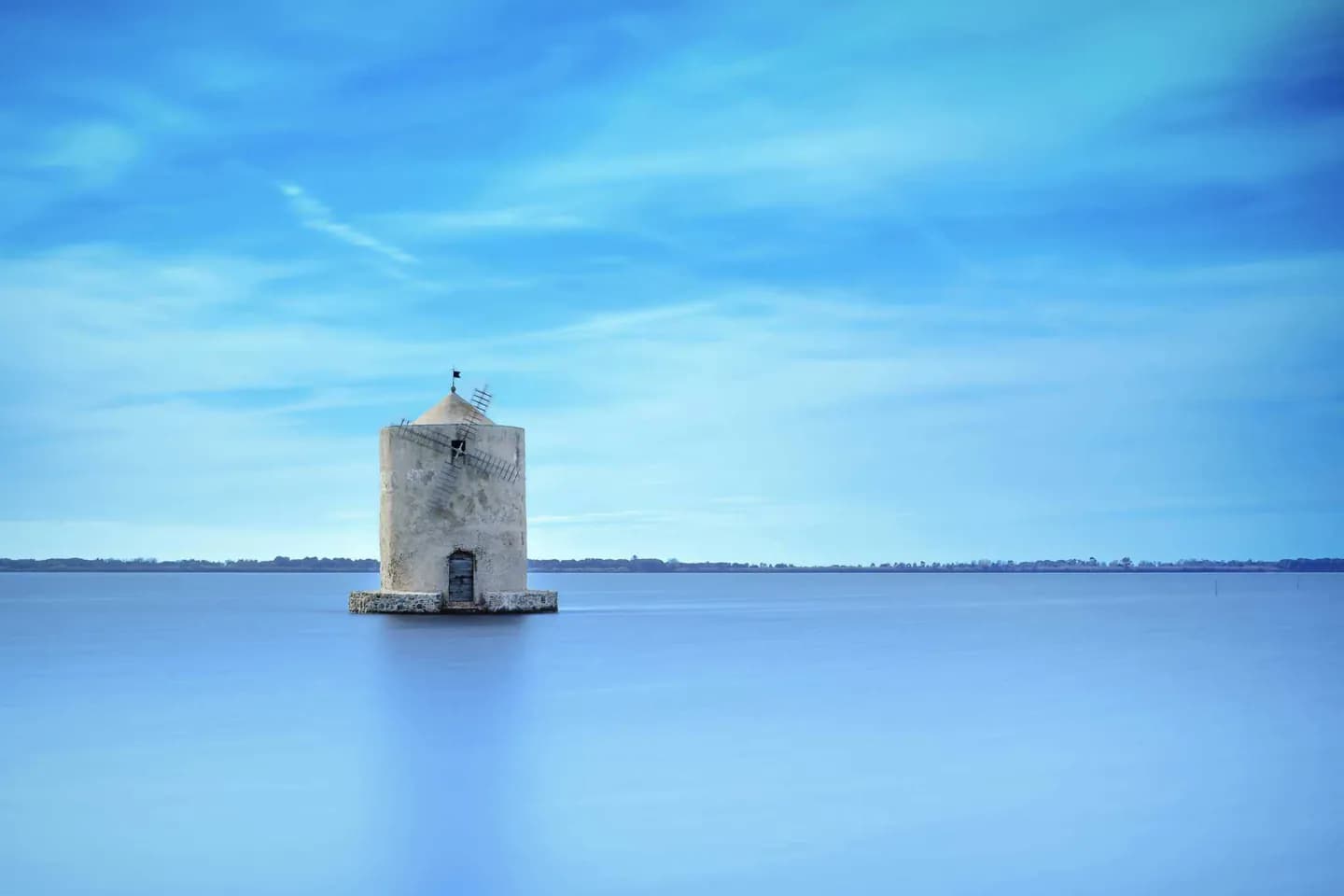
The lagoon is the reason to come: water frames the settlement and changes the feel of a walk through its fortified centre. Etruscan roots, later Spanish rule and the cathedral give the compact town more historical layers than a simple coastal stop.
What to look for
- Lagoon water surrounds the town’s narrow peninsula.
- Surviving walls recall ancient and later defenses.
- Santa Maria Assunta Cathedral stands on an older sacred site.
The full story
Orbetello’s position inside a coastal lagoon has shaped each phase of its history. An Etruscan settlement stood here before Roman control, and later rulers strengthened its defenses. In the Middle Ages the Aldobrandeschi held the town; Siena then took it, and in the sixteenth century it became the capital of the Spanish State of Presides. The walls make this layered border history visible during a walk through the centre. Santa Maria Assunta Cathedral stands on an earlier sacred site and was remodeled in Tuscan Gothic form. Beyond the stone buildings, the lagoon remains the strongest feature. It gives the town a relationship with water quite unlike the hill settlements of inland Maremma. Spend time along its edge before or after the centre, and treat any nature-reserve excursion as a separate outing with its own conditions.
Useful to know
- Walk both the historic centre and the lagoon edge to understand the setting.
- Check conditions for any separate lagoon nature-reserve visit.
Your next visit
Estimated · Declared scenario and planning estimates; no live opening, weather, queue or booking service.
Outdoor visit · 30–45 min
World planning estimate; admission, opening, visit duration and access need checking.