
Why go
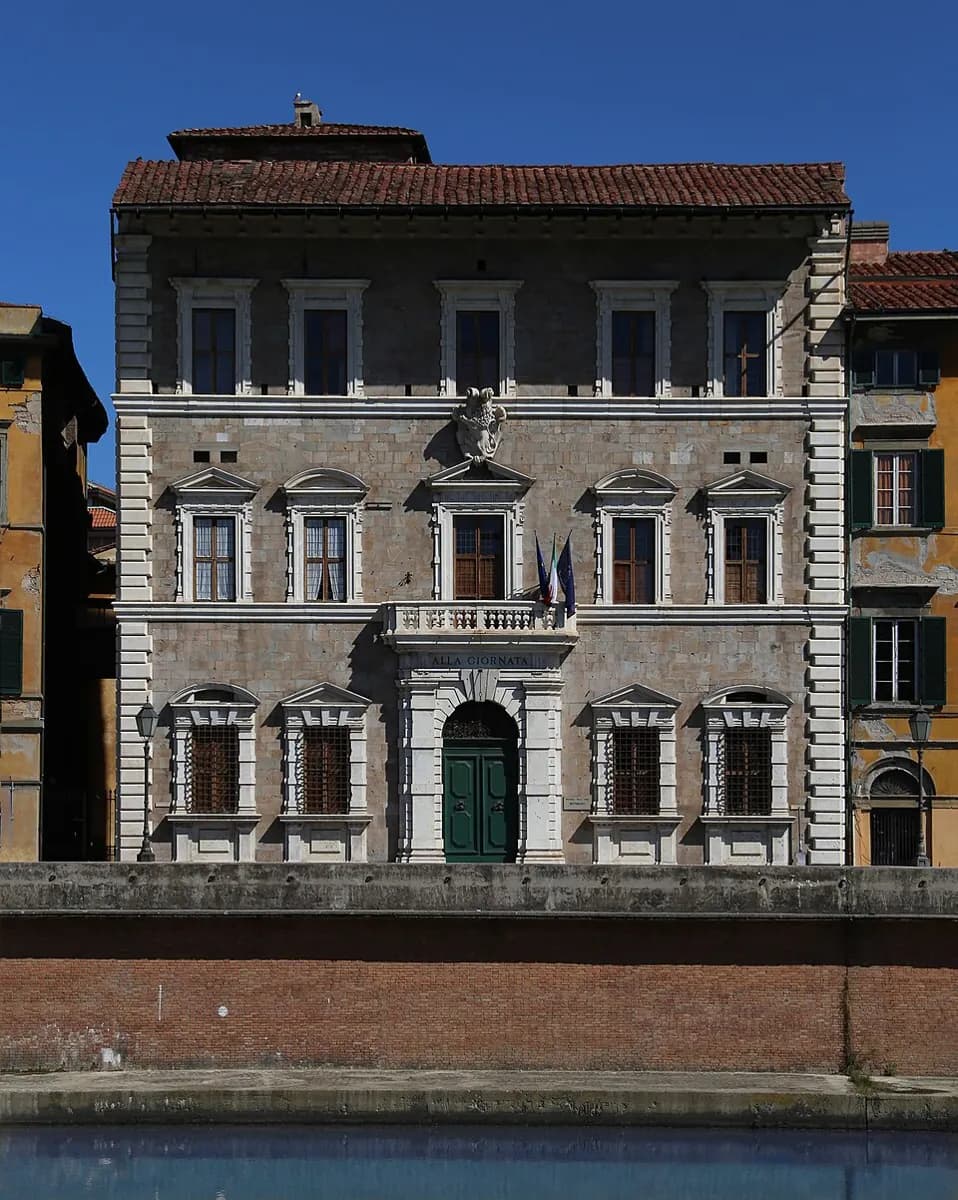
Pisa's academic life reaches well beyond the Cathedral square. Officially founded in 1343, the university grew from a medieval studium teaching law, medicine and theology. Follow that history through named university buildings as you walk the centre, especially if Pisa's scholarly identity interests you more than another monument interior.
What to look for
- The Palazzo della Sapienza remains a historic seat of the University of Pisa.
- The institution's medieval roots connect Pisa's old centre with centuries of teaching.
The full story
The University of Pisa grew from a medieval studium, with records of public teaching before Pope Clement VI recognized it as a studium generale in 1343. Law, medicine and theology were among its early subjects. The institution later occupied the Palazzo della Sapienza, which remains a historic seat, and its academic life spread through the city. That pattern matters to a visitor: the name University of Pisa does not point to one campus gate or a single museum-like building. Its legacy is visible instead in several streets and palaces around the old centre. The university also connects Pisa's medieval civic ambition with its later identity as a place of learning. If you want to see that history, choose a specific building and read its role in the institution, then check whether that site admits visitors.
Useful to know
- Choose a named university building such as the Palazzo della Sapienza for a concrete stop.
- Check that building's visitor arrangements separately; the university has no single visitor entrance.
Your next visit
Estimated · Declared scenario and planning estimates; no live opening, weather, queue or booking service.
Outdoor visit · 30–45 min
World planning estimate; admission, opening, visit duration and access need checking.