
The full story
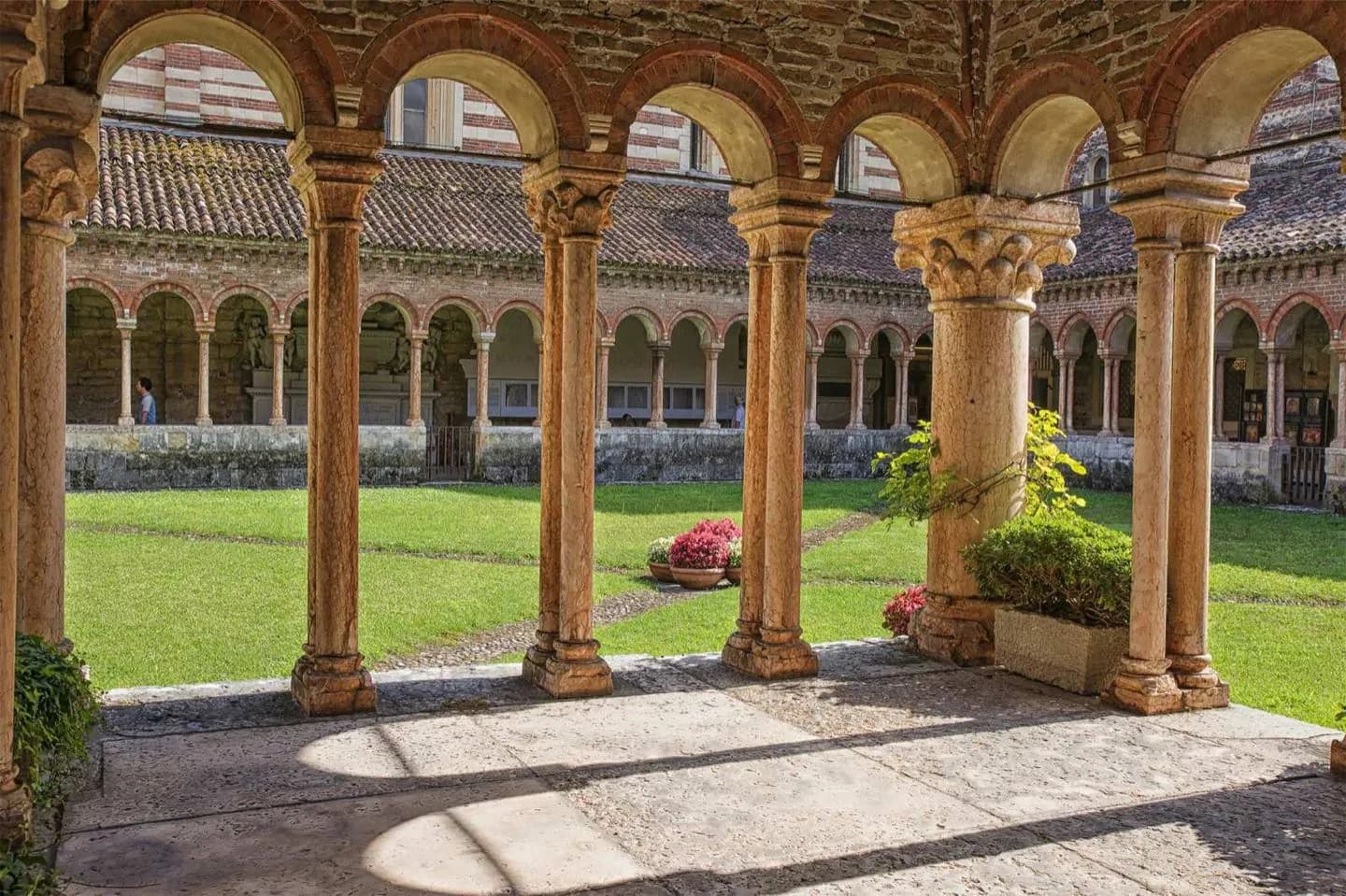
Start with the Della Scala rulers. Castelvecchio and its fortified bridge express security and control, while the Scaliger Tombs turn family memory into an elaborate public monument. In the civic center, Piazza delle Erbe retained its role as a place of exchange, framed by the Domus Mercatorum and later palaces. Churches provide the strongest contrast. San Zeno's Romanesque facade, sculpture and crypt feel measured and solid; Sant'Anastasia rises with Gothic scale and painted chapels. Ponte Pietra and the Adige tie these zones together. The most useful way to explore the period is by function—fortress, market, burial place and church—rather than by following a strict chronology. Seen together, these places show power operating at several scales: across the river, around a market square, above a church door and inside painted chapels.