
Why go
Historical context explains details otherwise easy to miss: diagonal avenues come from the original federal plan, color changes in the Washington Monument expose interrupted construction, and rebuilt interiors sit behind the White House’s old walls. Newer memorials and museums also reveal how public memory expands—and whom earlier versions left out.
The full story
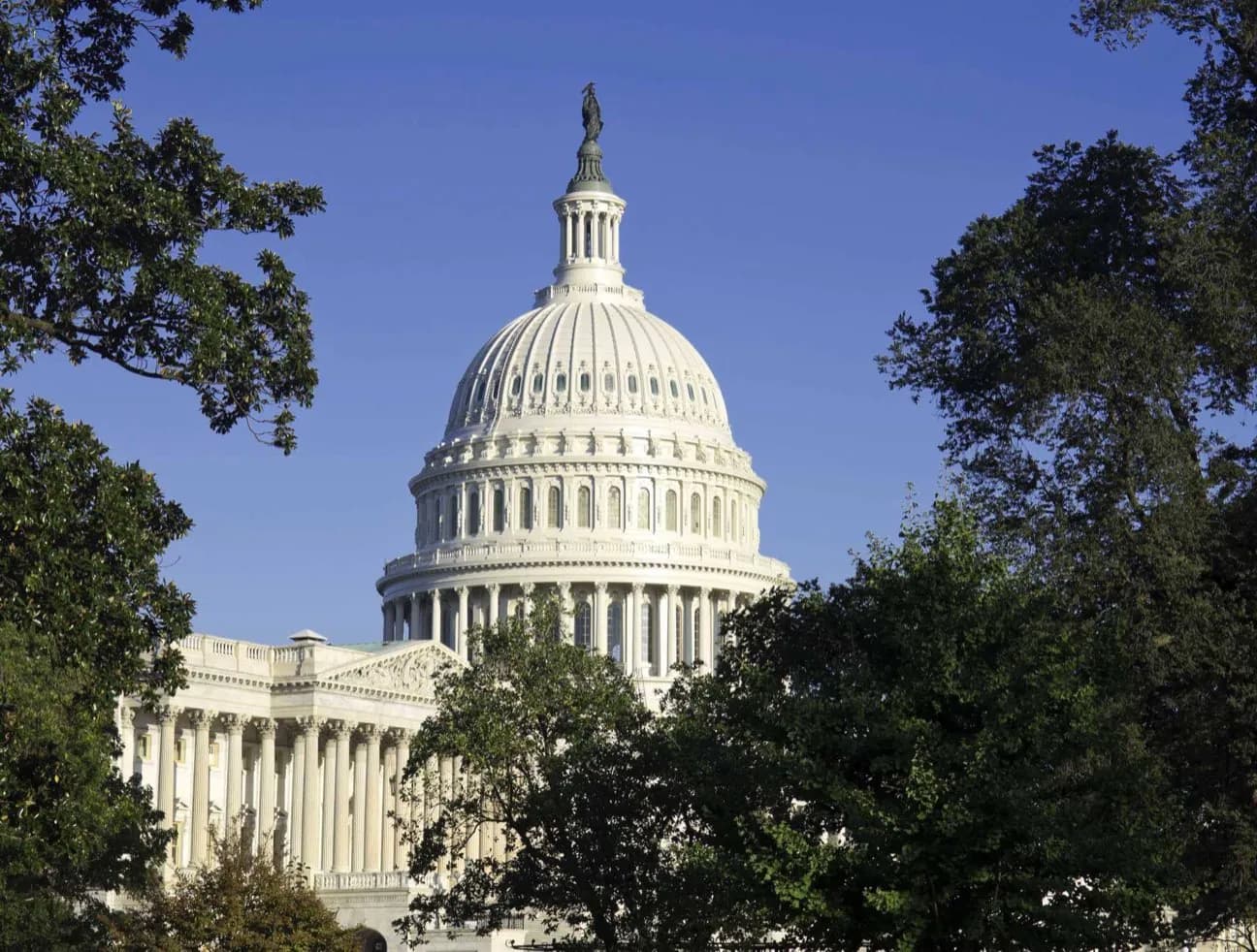
Congress established a federal district on the Potomac, and Pierre L’Enfant imagined a capital of broad avenues, symbolic axes and commanding public spaces. The city’s permanence was quickly tested when British troops burned major public buildings in 1814. Reconstruction, Civil War and rapid federal growth repeatedly reshaped it: the Capitol gained wings and its iron dome, the Washington Monument resumed after a long pause, and office buildings filled the avenues. The 20th century remade the Mall into a formal landscape and added powerful sites of remembrance. But history here is not a completed master plan. The Vietnam Veterans Memorial changed commemorative language through names and reflection; the African American Civil War Memorial restored thousands of Black service members to view; museums confront genocide, slavery and displacement. Washington is most honest when these layers remain in tension.