
Why go
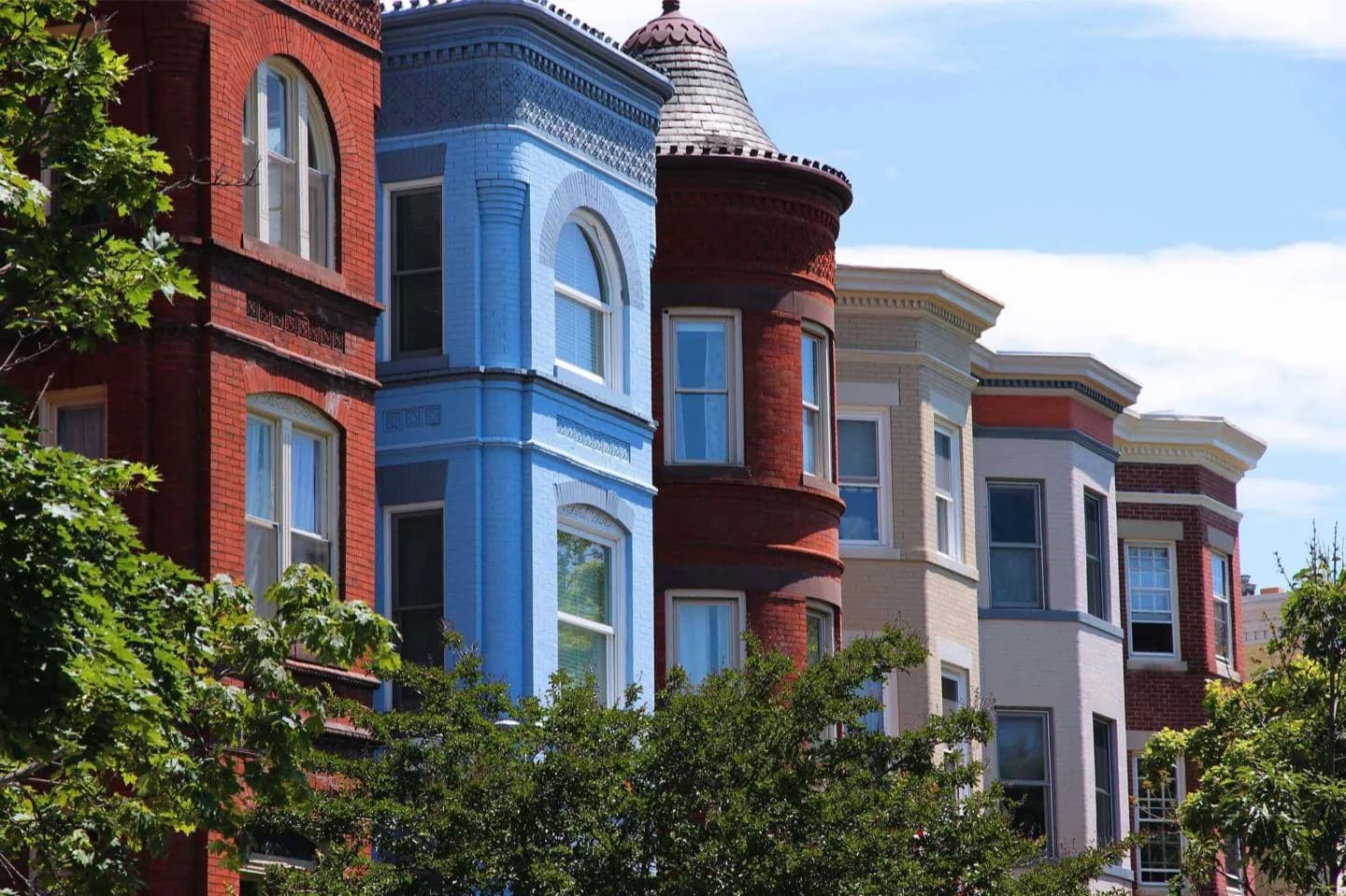
Georgetown offers port-era streets and a university hill; Penn Quarter and Chinatown compress museums, performance and redevelopment; U Street centers Black cultural and military history; Brookland pairs a monumental basilica with campus life. Each gives the formal capital a different social scale and makes a natural half-day cluster.
The full story
Use the Mall as one district, not as shorthand for the whole city. West of downtown, Georgetown’s canal, waterfront and steep brick streets preserve a town older than Washington; the lack of a Metro station shapes how you enter and leave. North of the center, U Street’s African American Civil War Memorial opens onto a corridor associated with Black business, music and civic life. Around Gallery Place, Chinatown’s Friendship Archway and bilingual signs survive amid arena-driven redevelopment and national chains. Farther northeast, Brookland’s National Shrine rises above a lower residential and university landscape. These areas are not interchangeable evening add-ons. Pick one, notice its physical boundaries, and let transit and terrain determine sensible combinations. A neighborhood visit should include time for side streets, a meal or a small institution; otherwise the journey merely produces another landmark photograph without revealing how the district works.