
Why go
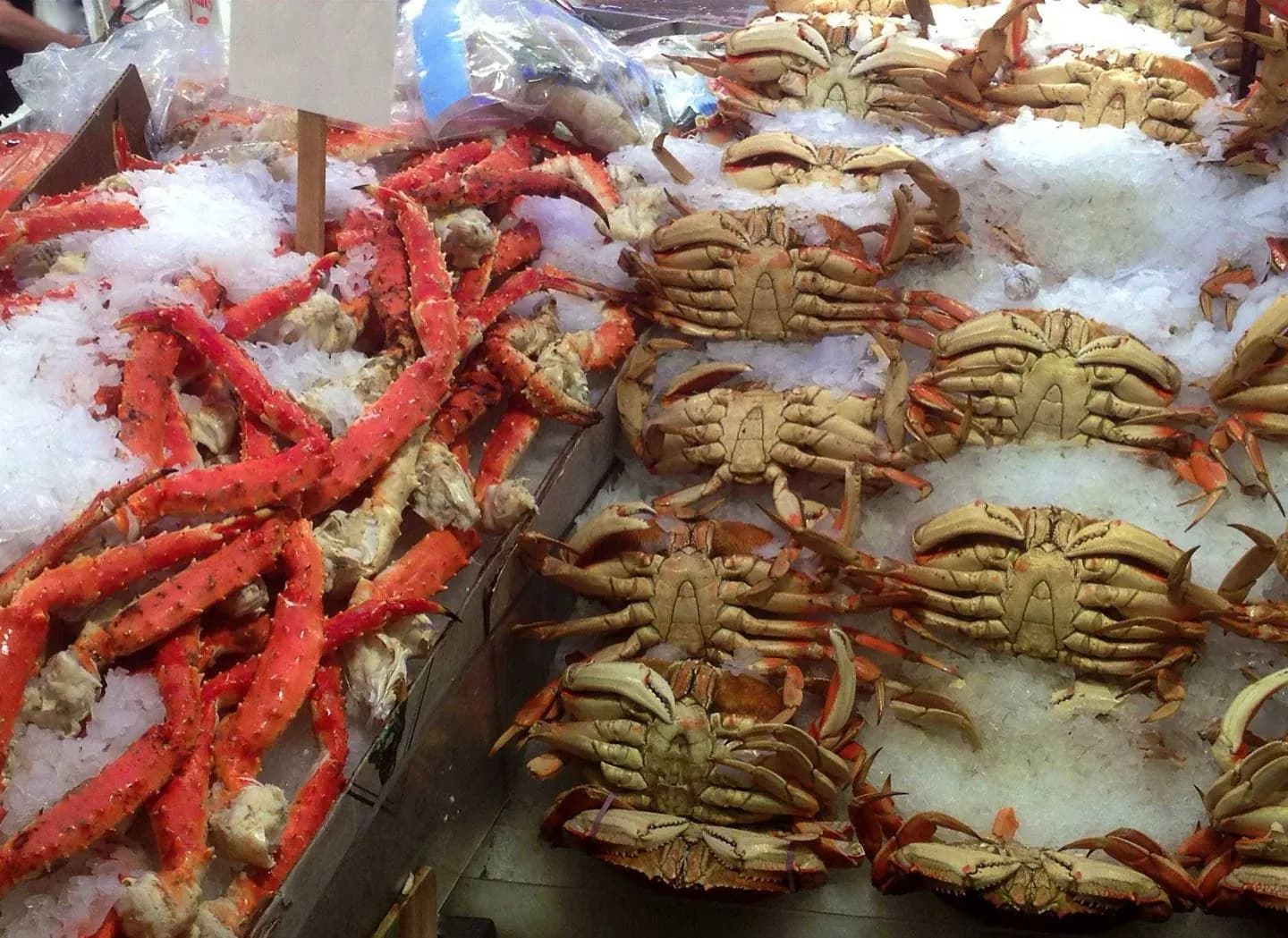
Eating well can explain the city’s communities better than a generic restaurant list. Seek Ethiopian stews served with injera, Salvadoran pupusas, half-smokes associated with the U Street corridor and Chesapeake seafood when season and sourcing make sense. Neighborhood context matters more than chasing a single famous address.
The full story
Washington’s dining culture reflects two overlapping maps. One is regional: the Potomac and Chesapeake connect the city to blue crab, oysters and Mid-Atlantic produce. The other is migratory: Black Washington’s long-established institutions, Ethiopian communities, Salvadoran arrivals and diplomatic populations built distinct food traditions across the metropolitan area. A half-smoke can introduce the history of U Street, while an Ethiopian meal is best understood as a shared arrangement of stews, vegetables and injera rather than a checklist of separate plates. Salvadoran pupusas offer another everyday expression of the region’s communities, served with curtido and salsa rather than as an isolated snack. Avoid treating “international food” as a single category. Choose a cuisine and neighborhood deliberately, order something that reveals its structure, and give independent places room alongside the capital’s polished expense-account dining.