
Why go
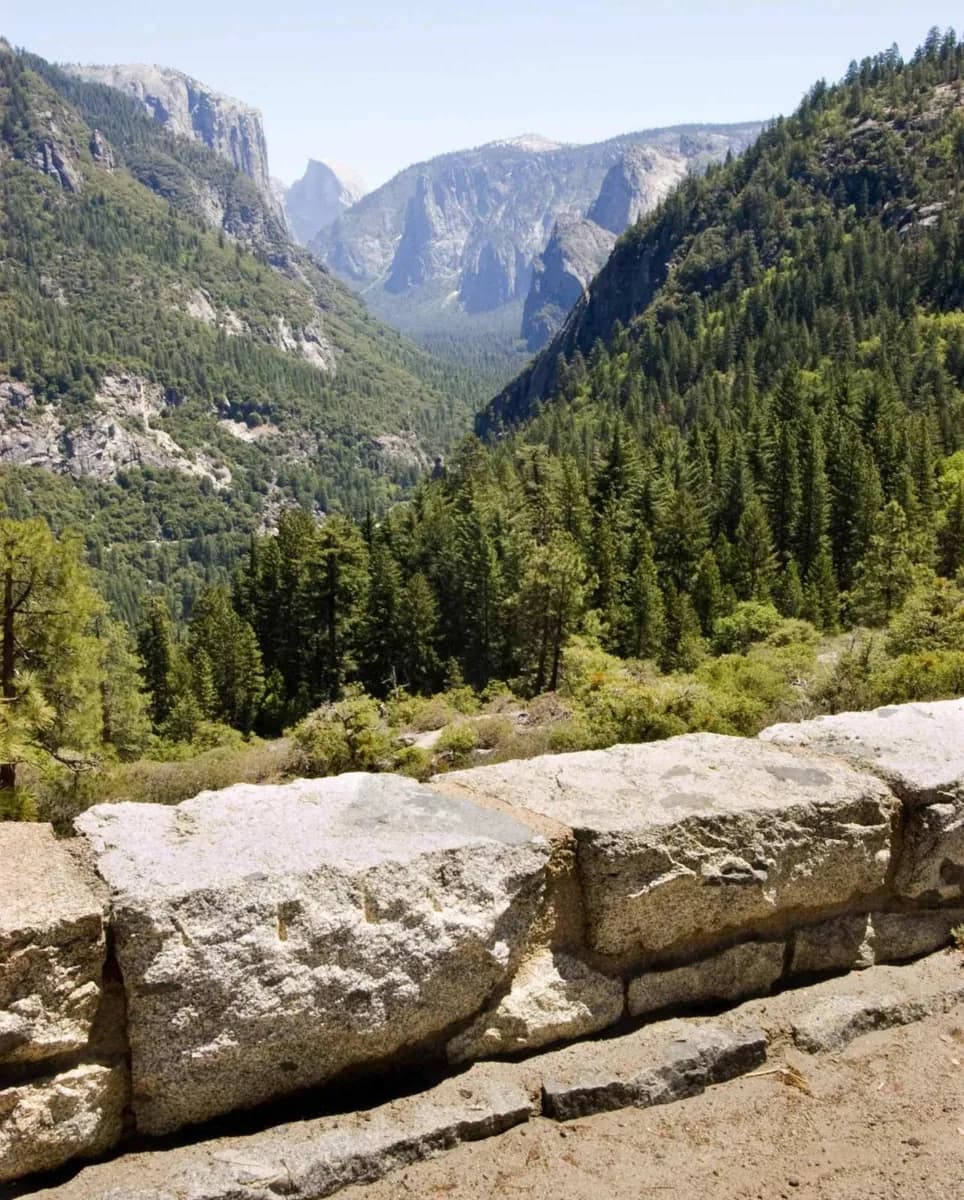
A drive from foothills to alpine country crosses oak woodland, conifer forest, wet meadows, sequoia groves, and exposed granite habitats. Use Habitats Across Yosemite's Elevations to frame the subject, then let Habitats Across Yosemite's Elevations separate broad patterns from visitor choices. Return to Habitats Across Yosemite's Elevations when deciding what belongs in one realistic Yosemite day.
The full story
With its scrubby sun-baked chaparral, stately groves of pine, fir, and sequoia, and expanses of alpine woodlands and meadows, Yosemite National Park preserves a Sierra Nevada landscape as it prevailed before Euro-American settlement. In contrast to surrounding lands, which have been significantly altered by logging, the park still contains some 225,510 acres of old-growth forest. Taken together, the park's varied habitats support over 250 species of vertebrates, which include fish, amphibians, reptiles, birds, and mammals. Along much of Yosemite's western boundary, habitats are dominated by mixed coniferous forests of ponderosa pine, sugar pine, incense cedar, white fir, Douglas fir, and a few stands of giant sequoia, interspersed by areas of black oak and canyon live oak. A relatively high diversity of wildlife species is supported by these habitats, because of relatively mild, lower-elevation climate and the mixture of habitat types and plant species. Wildlife species typically found in these habitats include American black bear, bobcat, cougar, gray fox, mule deer, mountain kingsnake, Gilbert's skink, white-headed woodpecker, brown creeper, spotted owl, and a wide variety of bat species. Going higher in elevation, the coniferous forests become purer stands of red fir.