
Why go
This chapter helps explain a defining contrast in the old centre: Calvinist churches became public institutions, while Catholic, Lutheran and Mennonite worship often continued in more discreet settings. Seeing Oude Kerk and Museum Ons' Lieve Heer op Solder together makes the change concrete.
The full story
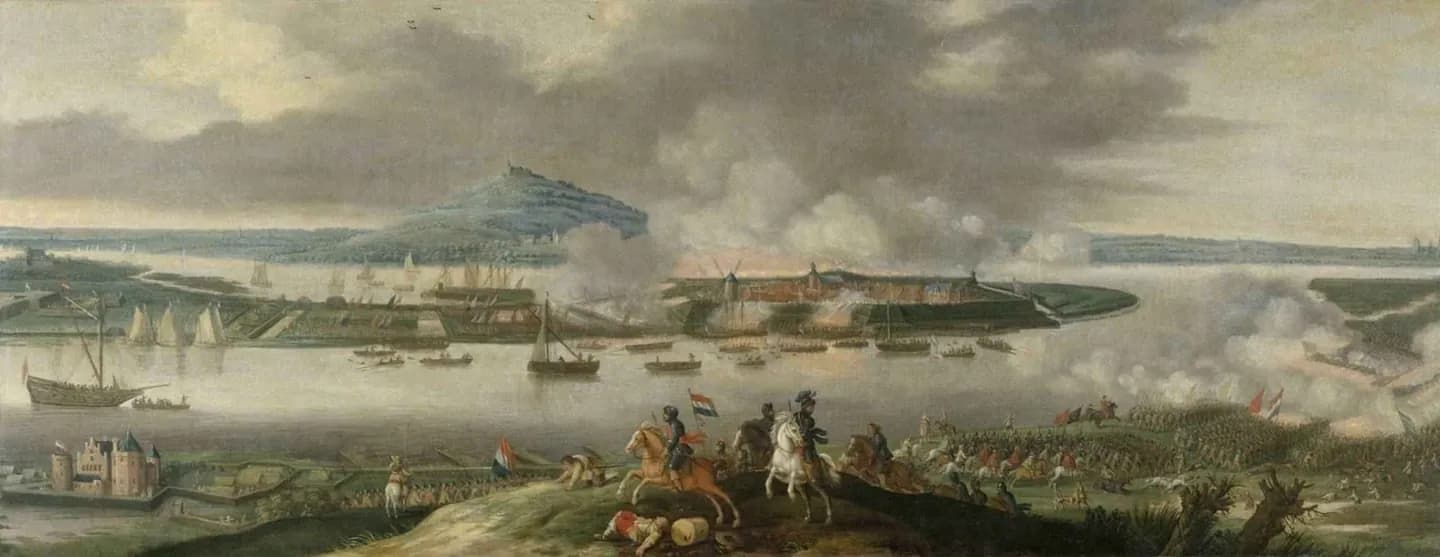
The sixteenth-century revolt against Habsburg rule divided the Low Countries politically and religiously. Amsterdam initially supported the Spanish side, but the Alteratie of 1578 brought the city behind William of Orange and the rebellion that led to Dutch independence. The Reformed Church became the only officially permitted public form of worship. Roman Catholics remained an important minority, and Lutheran and Mennonite communities also lived in the city, but their religious practice was constrained. Catholic services could continue in private house churches, or schuilkerken, as long as they remained discreet from the street. Amsterdam also received refugees during the wider religious conflicts in Europe, including Sephardic Jews from Spain and Portugal, merchants from Antwerp and Huguenots from France. That history should not be simplified into modern tolerance. It was a negotiated and unequal arrangement. Its spatial legacy is unusually clear: enter Oude Kerk to see the public Protestant setting, then visit the hidden attic church on Oudezijds Voorburgwal to understand worship shaped by restriction and accommodation.