
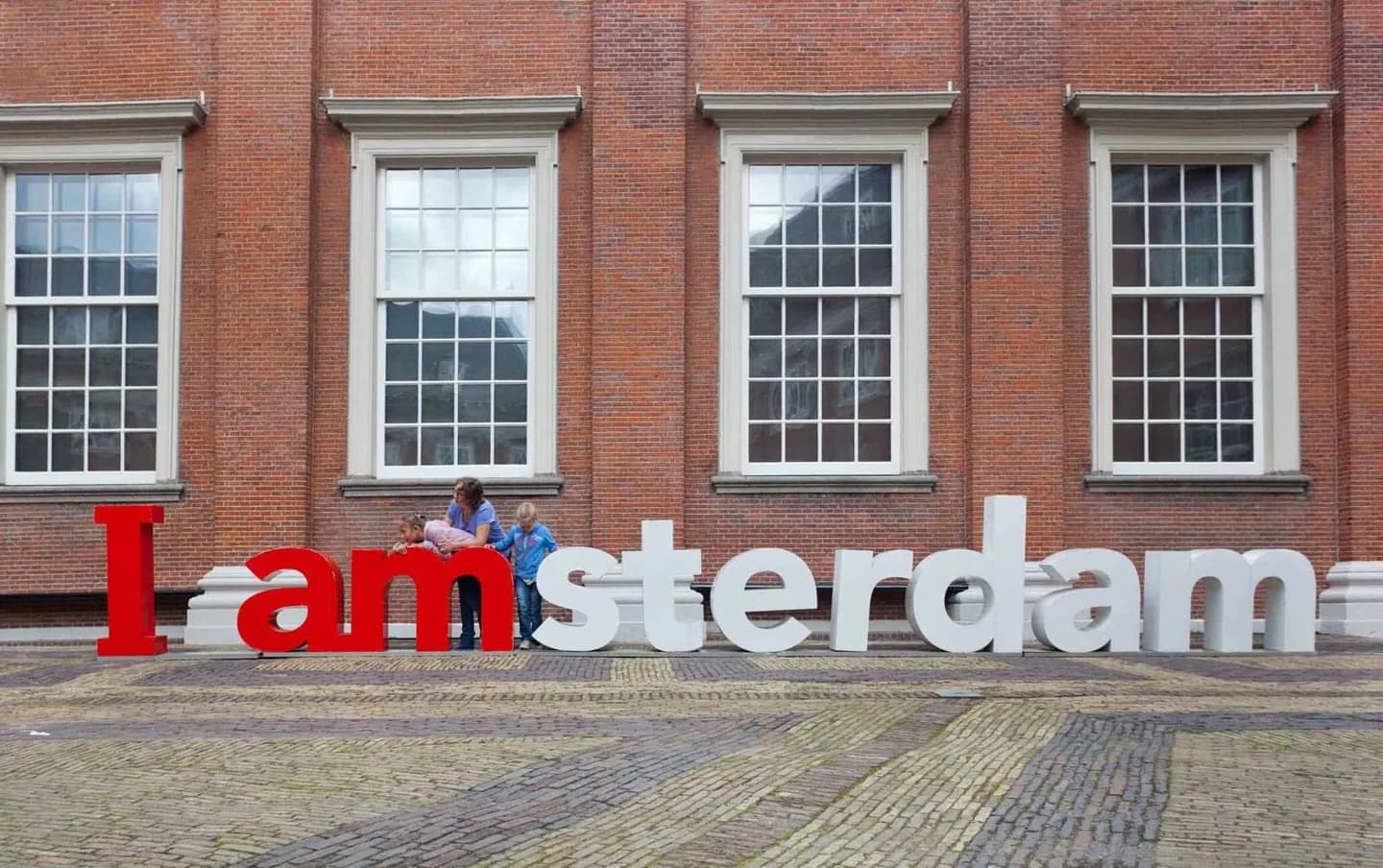
Why go
This theme is useful when the city feels pulled between historic fabric and contemporary demand. The centre, Jordaan, De Pijp and areas bordering it show how housing, visitor pressure and renewal affect daily streets, while theatres and concert halls trace a longer cultural continuity.
The full story
Amsterdam's recent history is defined by change within a tightly built city. The centre attracted growing numbers of visitors, while rising property costs and tourism-oriented businesses raised questions about who could remain in its historic neighbourhoods. Urban renewal has also focused on districts beside the centre, extending attention beyond the best-known canal streets. Connections across the IJ form another part of this story, linking Amsterdam Noord more directly to the centre. Cultural life provides a longer backdrop. Public festivals dominated the fifteenth and sixteenth centuries; later, chambers of rhetoric staged poetry and drama contests. Amsterdam's first theatre opened in 1638, opera followed in the seventeenth century, and the nineteenth-century Nes area became known for vaudeville and music hall. The Concertgebouw opened in this larger cultural tradition, and cinema, radio and television added new forms in the twentieth century. Recent development should therefore be read as another layer of adaptation, not a break from a static old city.