
Why go
Use meals to read the city's trading and migration history. Zeedijk offers an Asian food corridor, De Pijp connects markets with Surinamese cooking, and Dutch snacks and cheeses provide quicker contrasts between planned meals across different neighbourhoods and parts of the day.
The full story
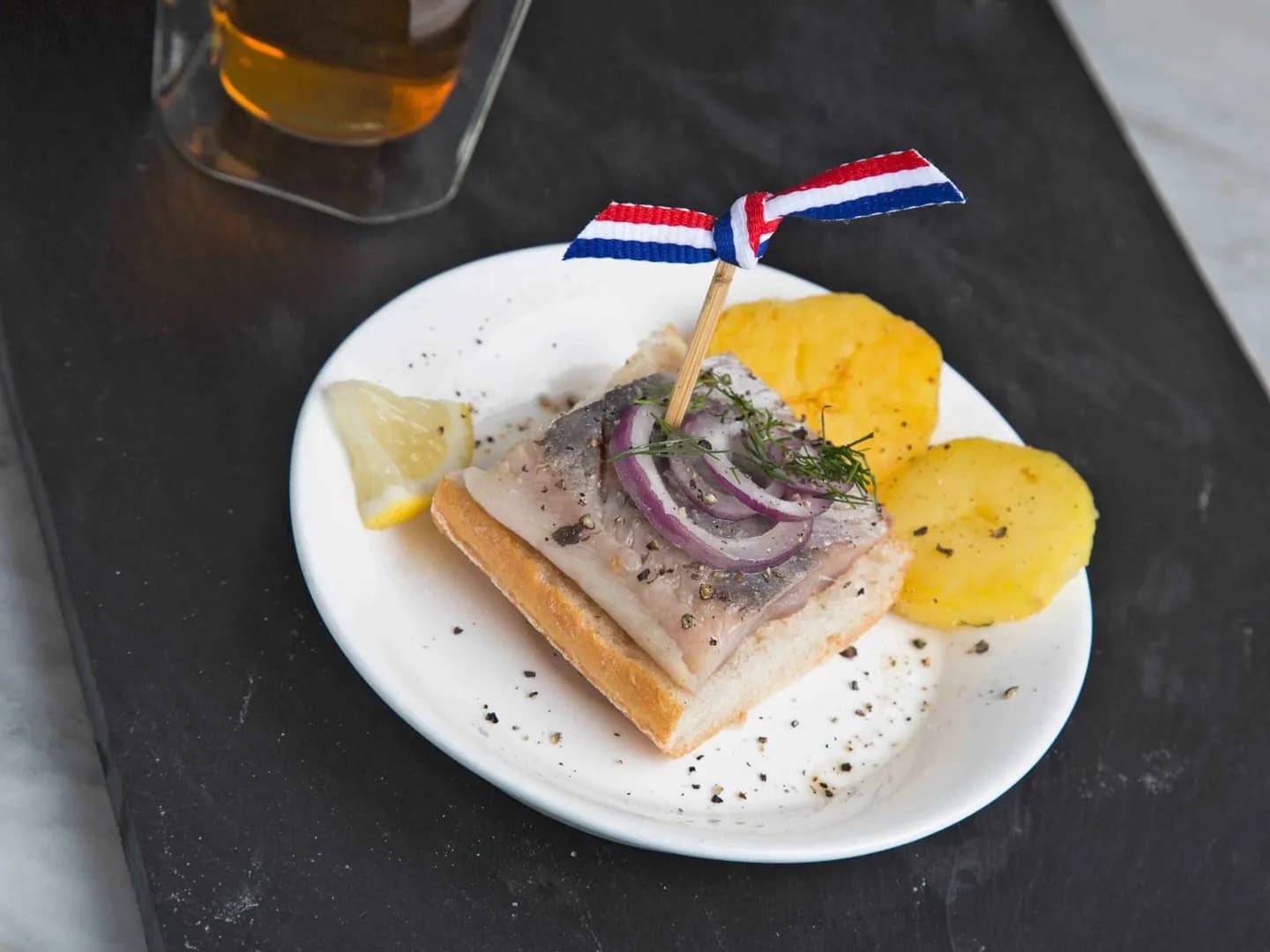
Amsterdam's colonial and migration histories remain visible at the table. Indonesian restaurants developed from ties with the former Dutch East Indies, while Surinamese food brings dishes such as roti, moksi meti, petjil and bojo into everyday city eating. Zeedijk and Nieuwmarkt form a long-standing Asian food area with restaurants and toko grocery shops. De Pijp, especially around Albert Cuypstraat, offers another useful cluster for food exploration. Dutch staples provide a different rhythm. Firm cheeses range from young to aged, with cumin cheese adding a distinctly Dutch variation. Bitterballen and kroketten are fried ragout snacks; let them cool before biting into the hot centre. Herring may be served with onions and pickles, often in a bread roll. These foods work best as contrasts rather than a checklist. Choose one neighbourhood for a full meal, then add a market or snack stop elsewhere. Businesses and prices change, so use current listings instead of relying on historic restaurant names.
Useful to know
- Choose one food neighbourhood rather than crossing the city for a long list of dishes.
- Let bitterballen or kroketten cool before biting into the hot filling.
- Check current market days and restaurant information before making a special trip.