
Why go
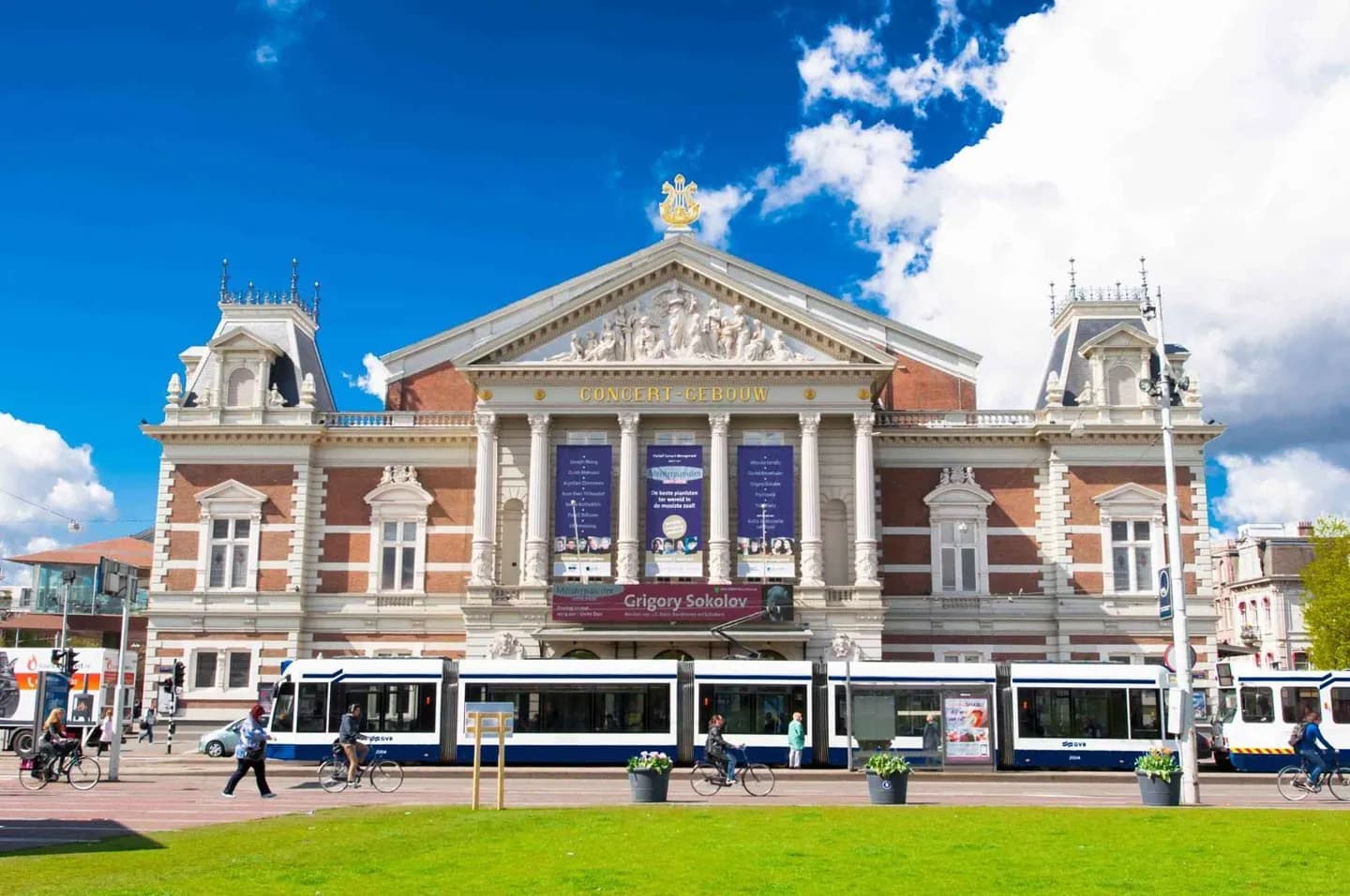
Dutch National Opera and Ballet gives the city a major home for opera and dance beside the Amstel, while the Stadsschouwburg at Leidseplein anchors spoken theatre. Royal Theatre Carré adds another strand: a former circus theatre now used for stage shows and concerts. The venues make it easy to choose between a formal evening and a smaller theatrical performance.
The full story
Amsterdam’s performing arts are not confined to one theatre district. The opera and ballet house stands beside City Hall at Waterlooplein, close to the Amstel and the former Jewish neighbourhood. Leidseplein has a different character, with the Stadsschouwburg as a longstanding theatre landmark and music venues nearby. Royal Theatre Carré began as a permanent circus theatre in 1887, which helps explain its broad later use for musicals, cabaret and concerts. Dutch cabaret, or kleinkunst, is another local thread, combining music, storytelling, commentary, theatre and comedy. That tradition gives a performance choice more context than a simple language divide: a visitor may prefer opera or ballet for visual storytelling, a theatre production for drama, or cabaret for a form shaped by Dutch speech and social observation. Check the language and format before booking.