
Why go
Use trams for many central corridors, metros for faster cross-city movement and trains for selected outer districts. Knowing the operator and boundary of your ticket prevents the common mistake of assuming one urban pass covers every service on a longer regional journey.
The full story
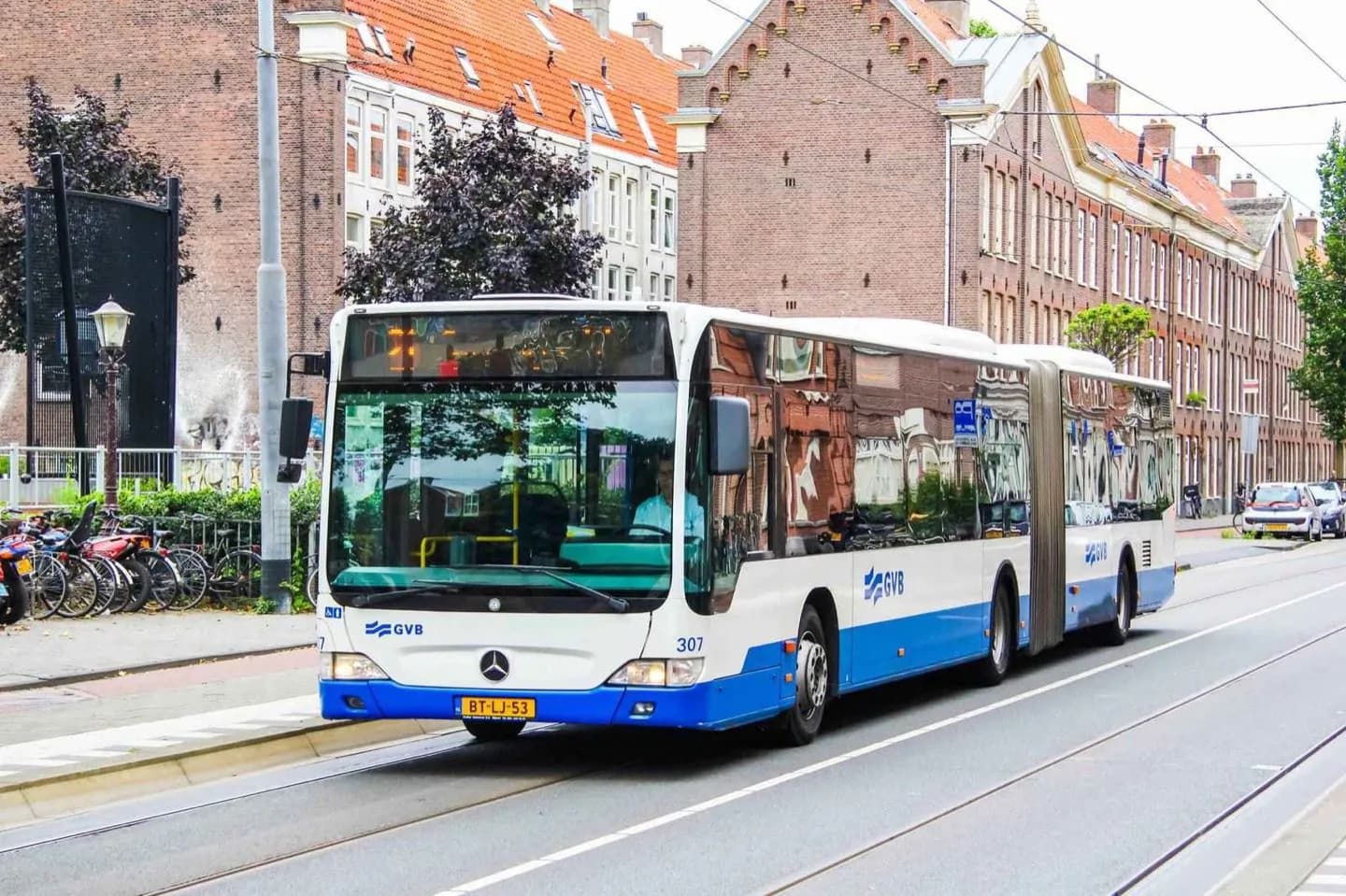
Amsterdam's network works as several systems joined at interchange points. GVB runs the core tram, metro and city-bus network, while trains connect stations such as Centraal, Zuid, Sloterdijk, Amstel and Bijlmer ArenA. Regional buses and ferries add routes beyond the dense centre. Payment products and contactless options evolve, but the journey principle remains consistent: validate at the start and end using the same accepted card, ticket or device. A pass valid on one operator may not cover trains or a regional service, so check scope before boarding. Trams are useful when their street-level route matches your destination, while the metro saves time across longer distances. In the old centre, walking can beat a connection with several stops. Use the official planner for disruptions and platform changes, and pay attention to the destination shown on the vehicle rather than relying only on a line number.
Useful to know
- Check whether your ticket covers the operator and vehicle you plan to use.
- Validate at both ends of every trip with the same card, ticket or device.
- Compare a short tram ride with walking before adding a transfer.