
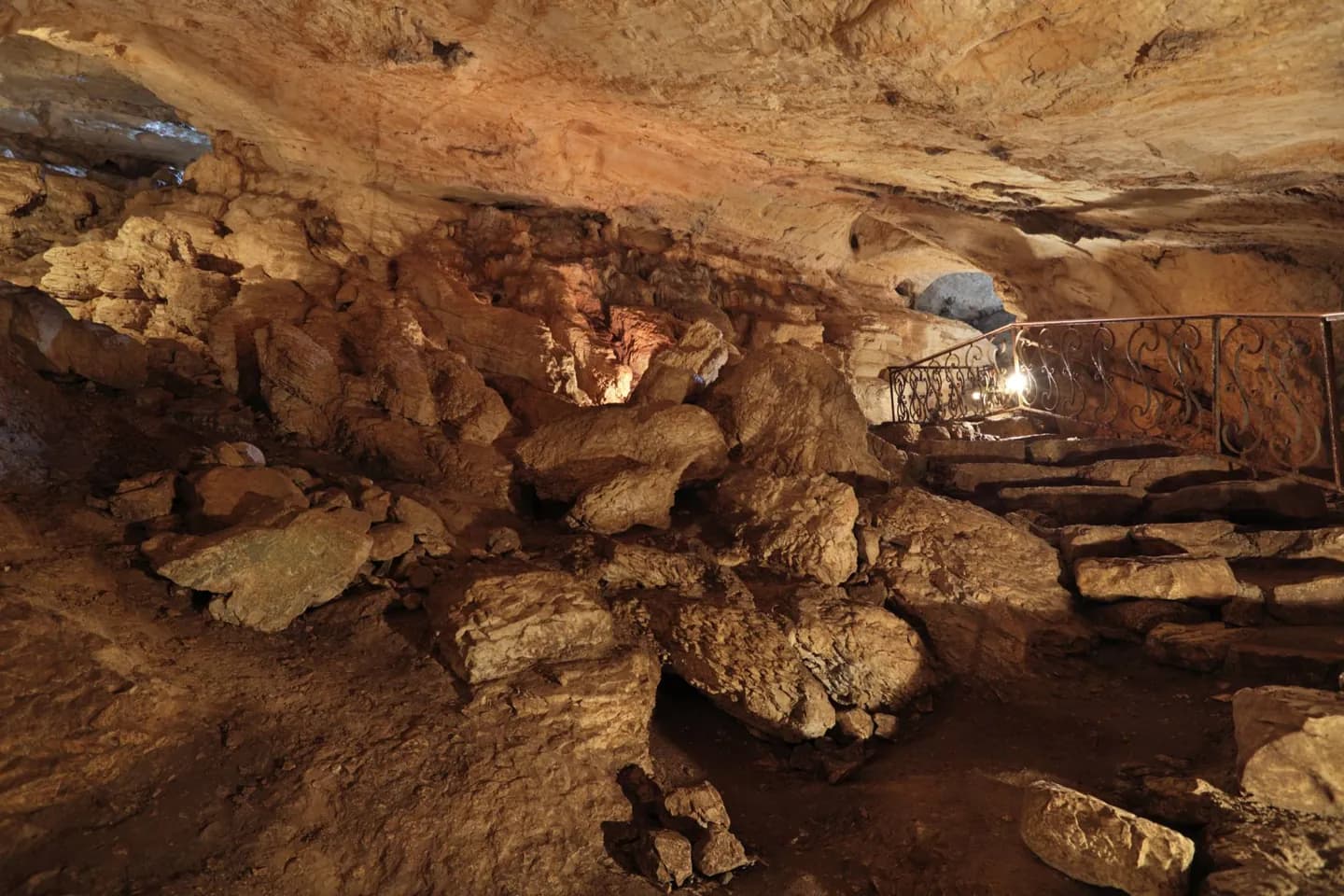
Why go
The evidence connects Belbaşı with late Paleolithic and Mesolithic activity, while nearby Beldibi and other caves show why the region matters to the study of early settlement. Read it as archaeological context for the coast's deep history, not as a ready-made cave visit with confirmed access.
The full story
Belbaşı is both the name of a cave site and, in some archaeological writing, a label for a wider sequence of prehistoric material. Excavations identified small stone tools, including arrowheads, points and worked blades. Nearby Beldibi is often discussed alongside Belbaşı, but authors differ on whether the two belong to one continuous cultural sequence or should be treated separately. Other caves west of Antalya also contribute evidence from later phases. This makes the group valuable for understanding changing ways of life along the coast, while it also makes simple labels misleading. Animal bones occur in the cave sequence; fishing and wild-grain gathering may also have helped sustain its inhabitants. Later phases include pottery and imported obsidian. Those details belong to different sites and periods, so they should not all be assigned to Belbaşı Cave itself. The safest way to read this landscape is as several related archaeological places, each with its own evidence.