
Why go
The Lycian and Roman remains are close enough to connect on a town walk, while the houses recall the Greek community that left during the 1923 population exchange. Those layers make Kaş more than a base for beaches and diving, even if a longer regional history needs trips inland.
The full story
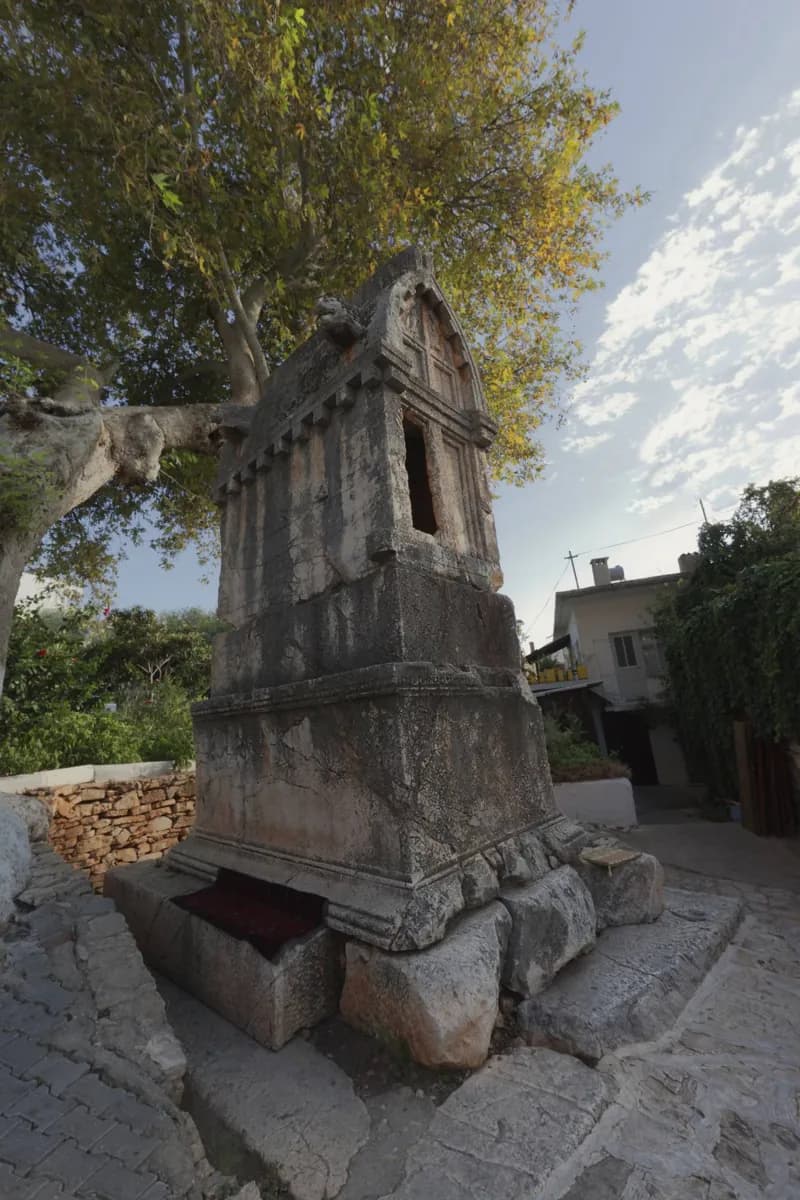
The Teke Peninsula was inhabited long before the town of Kaş took shape. The settlement is associated with the Lycian name Habesos or Habesa and later with Antiphellos, the port serving inland Phellos. Its surviving tombs and Hellenistic theatre help make that ancient role visible on a walk through town. Kaş passed through later periods of Arab raids, Seljuk rule and Ottoman administration. A major break came with the 1923 population exchange between Greece and Turkey, when much of its Greek population departed. Older Greek houses remain a reminder of that change, though individual buildings should not be assigned a specific history without evidence. Tourism expanded sharply in the late twentieth century, spreading development along the coast and onto the Çukurbağ Peninsula. Seen together, the ancient remains, older town fabric and newer shoreline development show how a small port became a holiday centre while retaining traces of its earlier communities.