
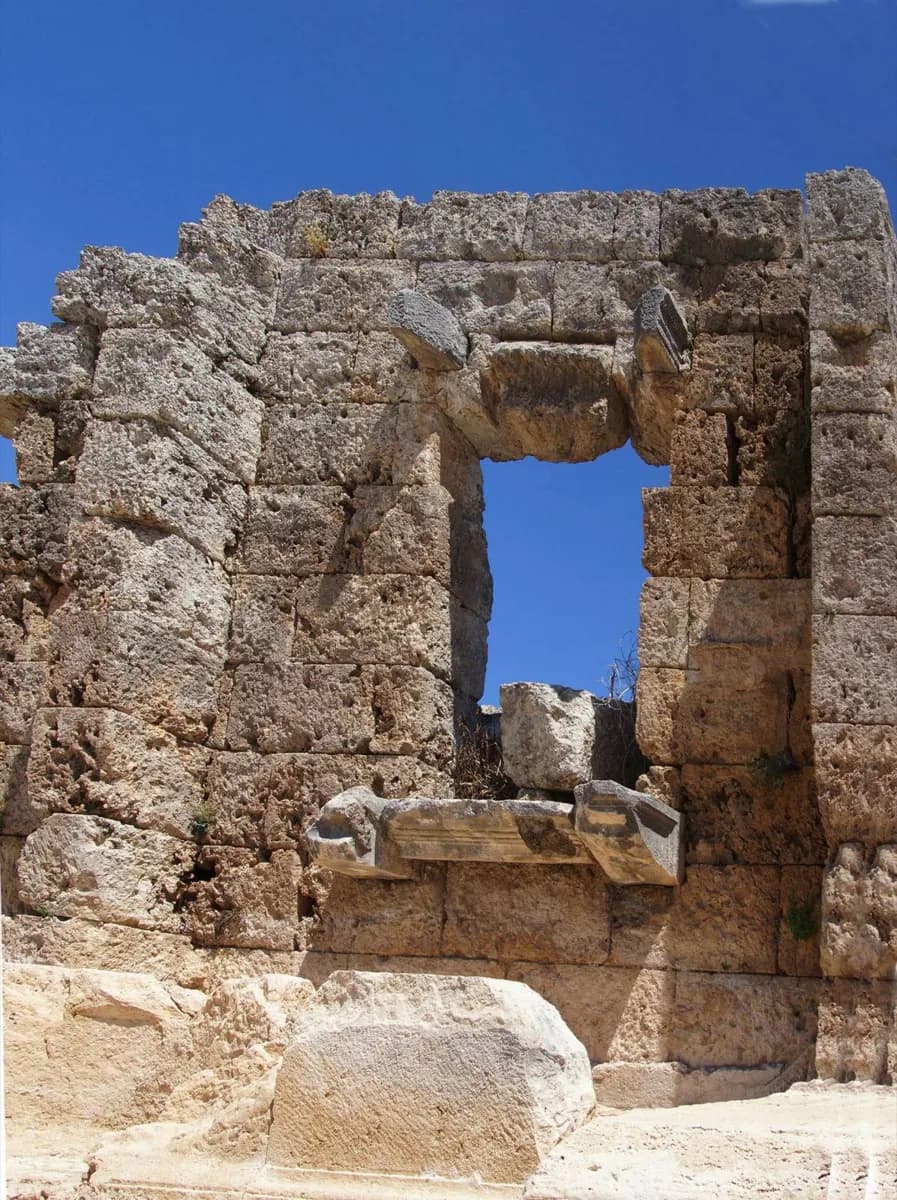
Why go
Ancient accounts connect the city with a strategic pass and a Roman campaign in 189 BC. Surviving coins and later ecclesiastical records suggest a settlement with political and religious importance. The proposed locations around Kışla and Yazır remain an important caution when interpreting those accounts.
The full story
The name Isinda occurs in ancient and later records of southwestern Anatolia. One account places a city of that name near a route through the mountains and describes its siege by Termessus during the campaign of the Roman consul Gnaeus Manlius Vulso in 189 BC. Nineteenth-century travellers associated ruins near Kışla with Isinda, while an older identification pointed to Yazır. Those alternatives make the exact location uncertain, so the name should not be treated as a reliable pin on a modern sightseeing map. The source tradition also describes coinage and a later Christian bishopric, signs of a community remembered beyond the classical period. These references are valuable for understanding the dense network of settlements between Lycia and the inland passes. They need to be read with care, because accounts attached to the same ancient name may not all establish the same physical site.