
Why go
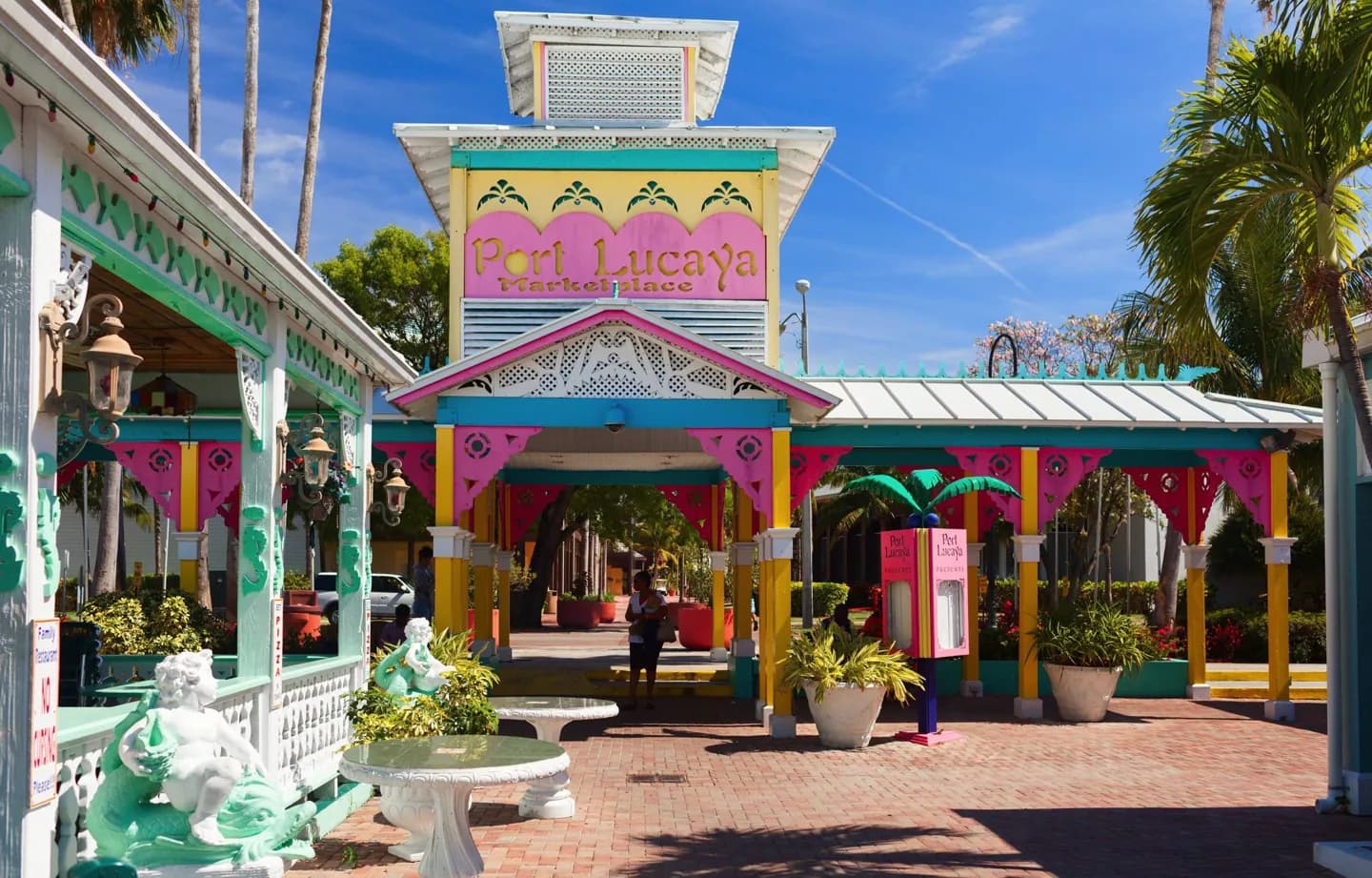
Freeport shows a more recent urban chapter of The Bahamas: a city built around port and commercial development rather than Nassau's older colonial harbour. Lucaya adds a coastal visitor area whose name recalls the islands' precolonial Lucayan people, making the contrast between modern planning and older history especially clear.
The full story
Freeport developed on Grand Bahama after a 1955 land grant to Wallace Groves, who had lumber interests on the island. The grant covered pine land, swamp and scrub, and carried a mandate to develop the area economically. The city and its free-trade zone grew from that planned foundation. This origin distinguishes Freeport from Nassau, whose older town formed around a colonial harbour on New Providence. Freeport's port and commercial identity remains central to understanding its layout. The coastal district of Lucaya became a visitor focus and takes its name from the Lucayan people who lived in The Bahamas before European colonization. For a visit, the useful contrast is between the planned city and the Lucaya coast, not old tax terms or past transport services. Check current connections and access before building a day around either area.