
Why go
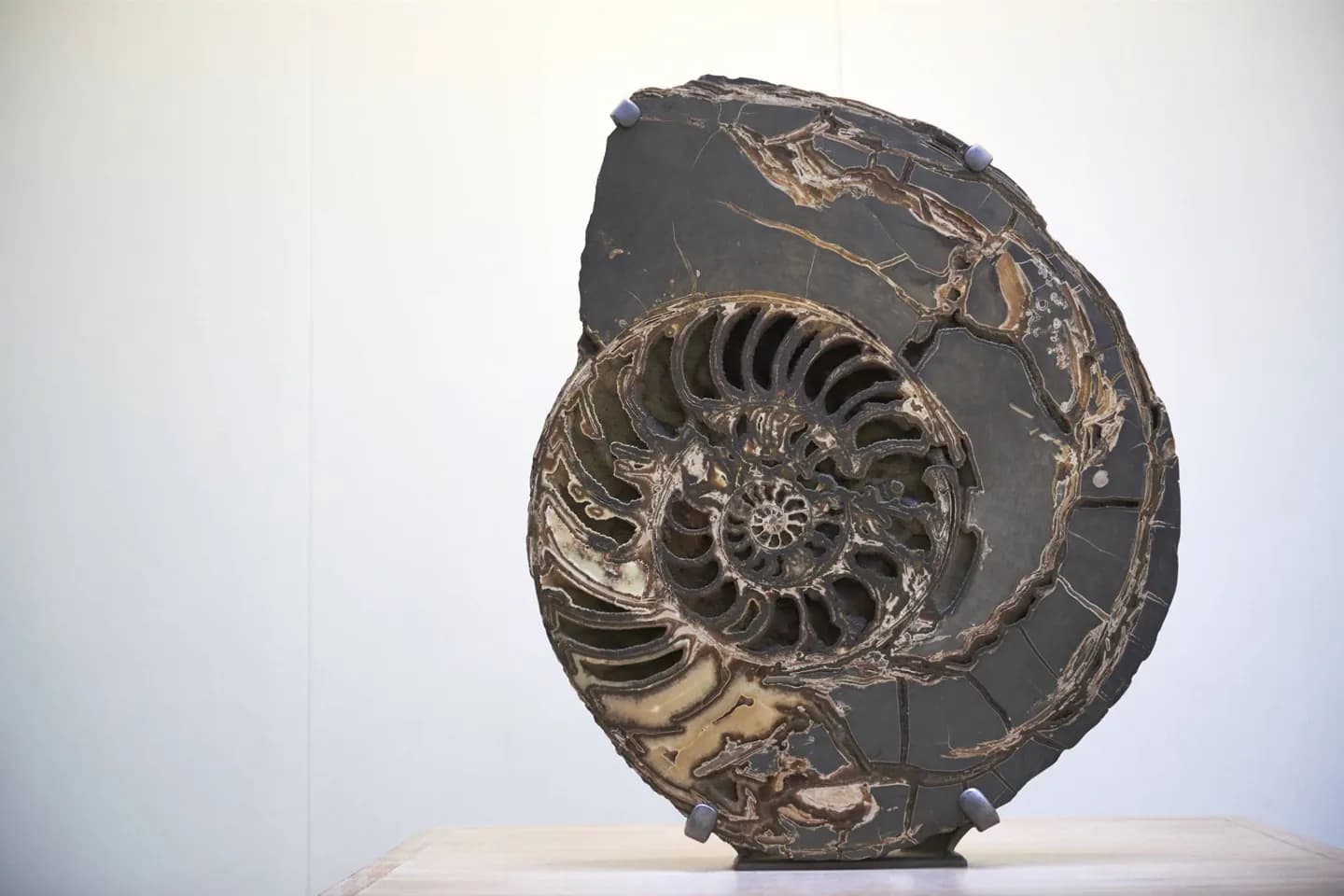
The museum's collections cover zoology, insects, paleontology, minerals and anthropology, so a visit can move from living species to deep time. Its long collecting history also reveals how Basel's scientific institutions developed alongside the cultural museum nearby. The location on Münsterhügel also makes it easy to compare those scientific displays with nearby cultural collections.
What to look for
- Animal and insect specimens
- Fossils and paleontological material
- Minerals and other natural-history collections
The full story
Natural History Museum Basel has roots reaching back more than three centuries. In the nineteenth century, natural-history and ethnographic collections were housed together in a city museum before the cultural holdings developed into a separate institution. The natural-history collections now span zoology, insects, minerals, human remains and fossils. Seen together, they function as a record of life and the physical world rather than a single exhibition topic. The most useful way to approach the museum is to follow a question—how animals differ, what fossils reveal, or how minerals form—through the displays. Its proximity to Museum der Kulturen makes the two institutions' shared history especially easy to notice. Different galleries put that question into different material forms, from preserved organisms to mineral and fossil specimens. That variety is the museum’s main strength for a curious visitor.
Useful to know
- Choose a collection theme before entering if your time on Münsterhügel is limited.
- Pair it with the Museum der Kulturen to compare natural-history and human-culture approaches that once shared an institution.
Your next visit
Estimated · Declared scenario and planning estimates; no live opening, weather, queue or booking service.
Outdoor visit · 30–45 min
World planning estimate; admission, opening, visit duration and access need checking.