
Why go
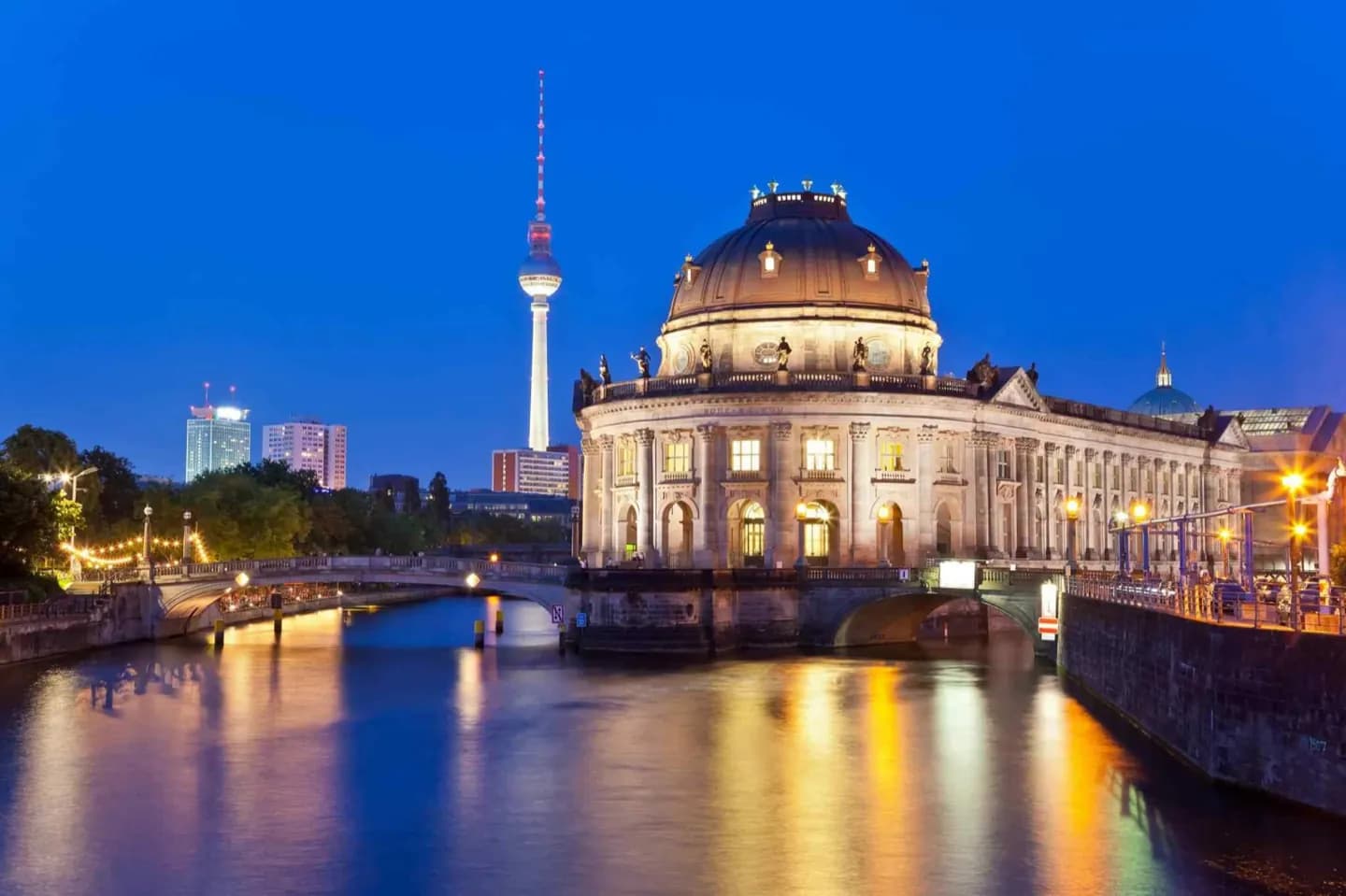
The museum was designed by architect Ernst von Ihne and completed in 1904. Originally called the Kaiser-Friedrich-Museum after Emperor Frederick III, the museum was renamed in honour of its first curator, Wilhelm von Bode, in 1956. Collections Closed for repairs since 1997, the museum was reopened on October 18, 2006 after a €156 million refurbishment.
What to look for
- The domed building at the island's northern tip brings sculpture, Byzantine art and coins into close architectural.
The full story
True to the ethos of its founding director, Wilhelm von Bode, who believed in mixing art collections, it is now the home for a collection of sculptures, Byzantine art, and coins and medals. The presentation of the collections is both geographic and chronological, with the Byzantine and Gothic art of northern and southern Europe displayed separately on the museum’s first floor and a similar regional division of Renaissance and Baroque art on its second floor. The sculpture collection shows art of the Christian Orient, sculptures from Byzantium and Ravenna, sculptures of the Middle Ages, the Italian Gothic, and the early Renaissance. Late German Gothic works are also represented by Tilman Riemenschneider, the south German Renaissance, and Prussian baroque art up to the 18th century.
Useful to know
- Verify current opening hours, closures and timed-entry rules on the official visitor page before setting out.
- Allow extra time for security or ticketing when the visit includes an interior collection or viewing platform.