
Why go
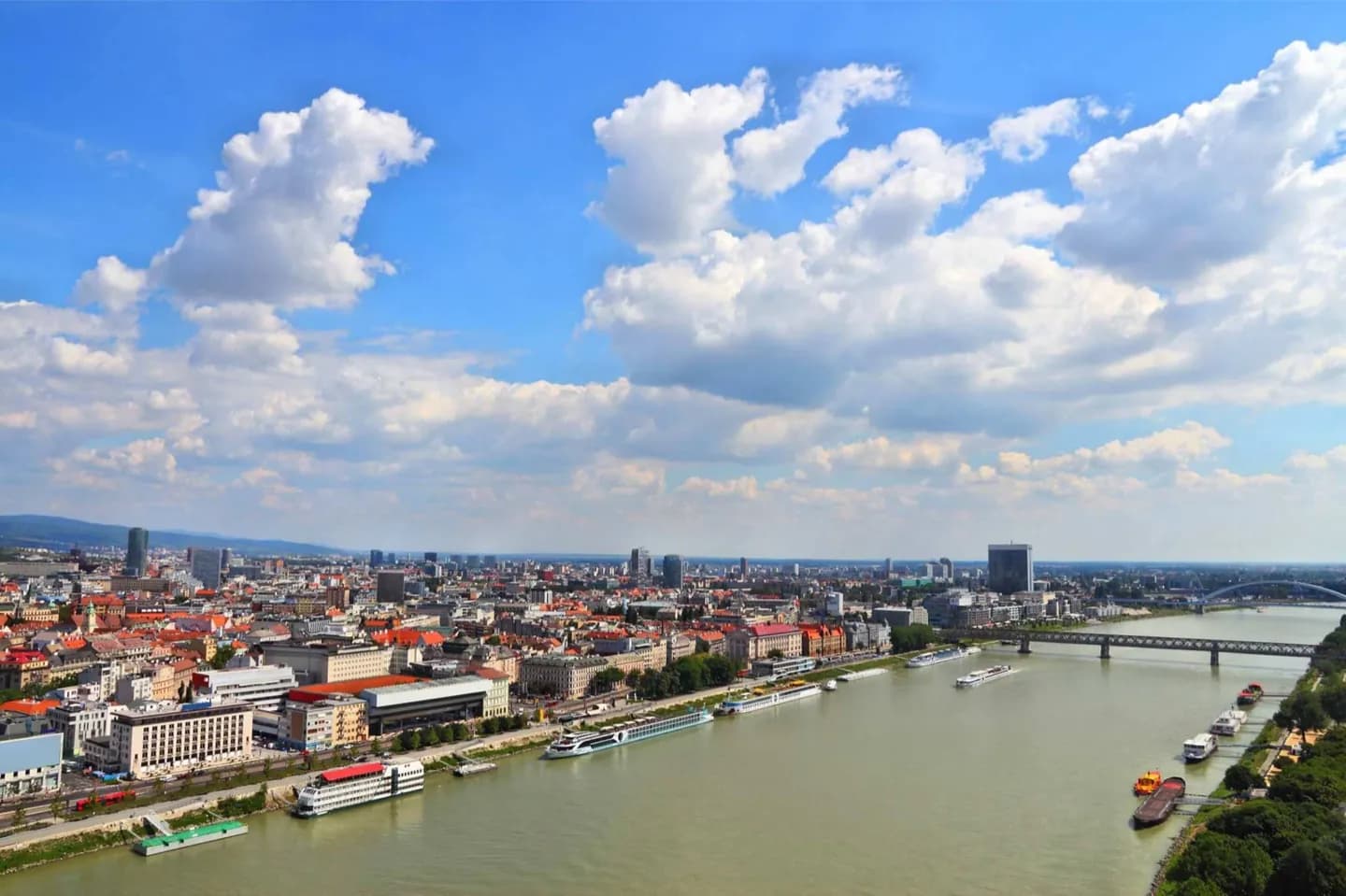
The palace is not an isolated period interior; it is one component of a striking architectural ensemble on the Danube. Historic masonry, the 1970s bridge structure and the contemporary renewal frame a national collection that spans medieval to modern art. The Neo-Renaissance palace meets the gallery’s modern bridge structure.
What to look for
- The Neo-Renaissance palace meets the gallery’s modern bridge structure.
- Views through the complex reveal how several eras were joined rather than erased.
- National collections cover major strands of Slovak and Central European art.
The full story
A Neo-Renaissance palace embedded in the rebuilt Slovak National Gallery complex, rewarding visitors interested in both art collections and layered museum architecture. The palace is not an isolated period interior; it is one component of a striking architectural ensemble on the Danube. Historic masonry, the 1970s bridge structure and the contemporary renewal frame a national collection that spans medieval to modern art. The Neo-Renaissance palace meets the gallery’s modern bridge structure. Views through the complex reveal how several eras were joined rather than erased. National collections cover major strands of Slovak and Central European art. Check which galleries are open before choosing how long to spend. Walk the riverfront afterward to understand the building’s urban setting. Seen together, these features make Esterházy Palace easier to understand within its particular urban and historical setting.
Useful to know
- Check which galleries are open before choosing how long to spend.
- Walk the riverfront afterward to understand the building’s urban setting.
Your next visit
Estimated · Declared scenario and planning estimates; no live opening, weather, queue or booking service.
Outdoor visit · 30–45 min
World planning estimate; admission, opening, visit duration and access need checking.