
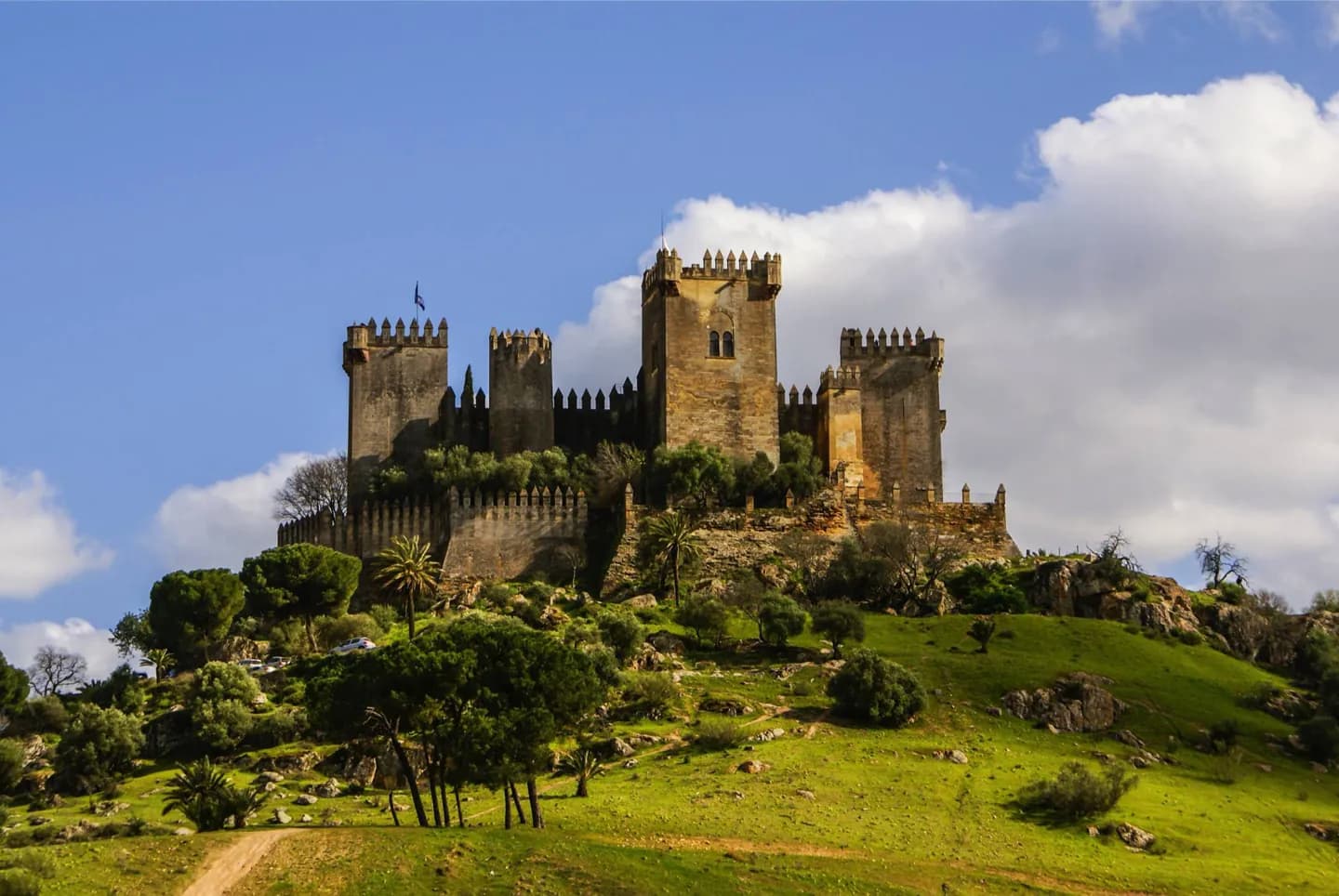
Why go
If the Mezquita-Cathedral dominates your picture of Córdoba, the Roman period widens it. The Roman mausoleums and other surviving traces point to a city that held administrative weight centuries earlier, and to a local literary world associated with the Senecas and Lucan.
The full story
The area had human activity long before a city took shape. The ancient account describes a settlement in the Tartessos period, followed by a Roman colony established beside an existing Iberian community. Under Roman rule, Córdoba became a provincial capital. A forum stood here, placing civic life at the centre of a city whose full Roman layout is no longer visible above ground. The philosopher Seneca the Younger, his father Seneca the Elder and the poet Lucan all came from Roman Córdoba. Their names give the ancient city a human scale beyond the remains of buildings. The Roman mausoleums offer one more physical reminder of that era. They are most rewarding when understood as part of a much larger city, rather than as a complete picture of Roman life. Later rulers changed Córdoba repeatedly. That is why its Roman past appears in fragments beside monuments from very different centuries. Looking for those fragments helps explain why the city's history begins well before the mosque and the caliphate.