
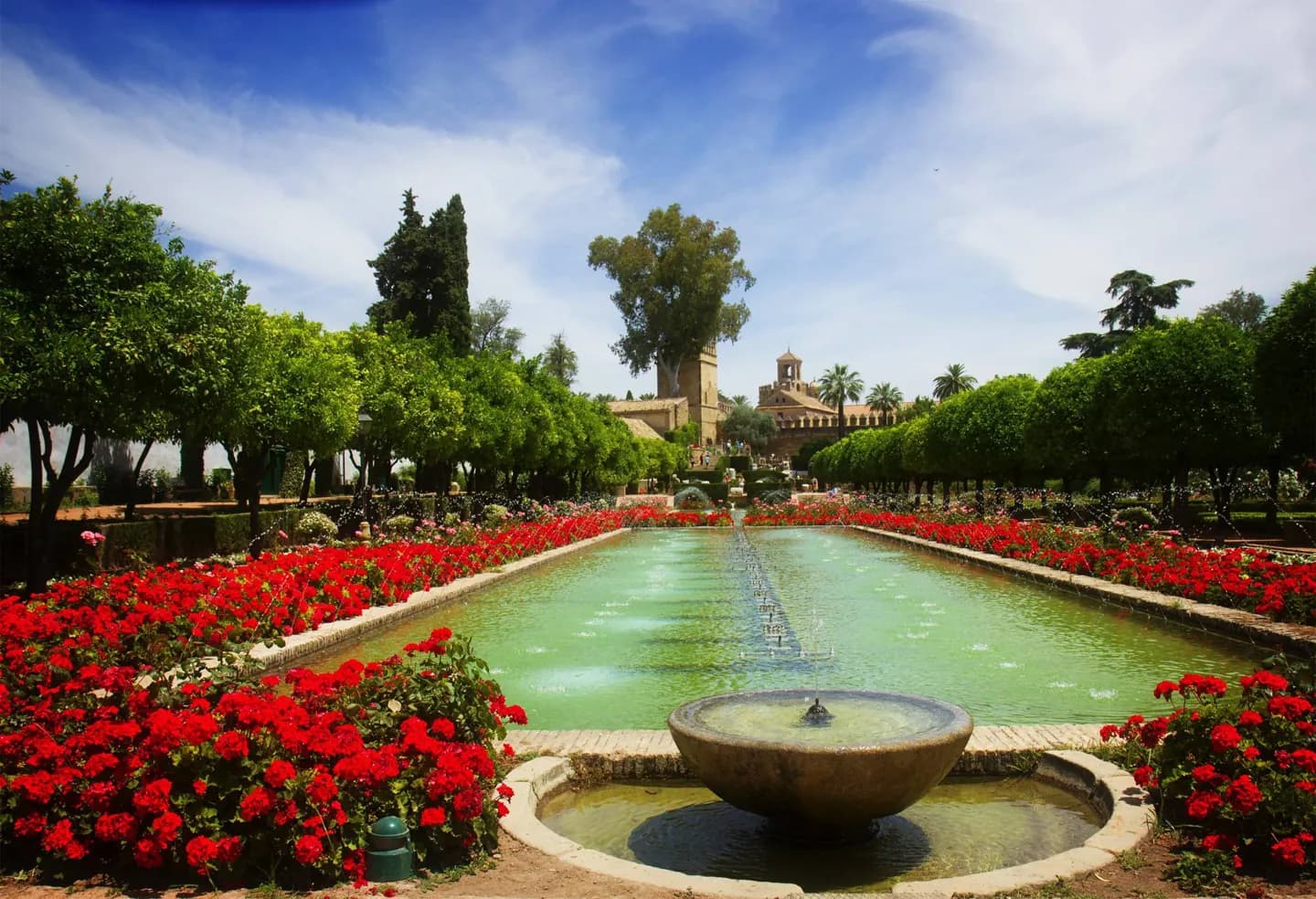
Why go
This overview connects the Roman remains, the Mezquita-Cathedral and the buildings raised after the Castilian conquest. It helps you read the historic centre as successive changes to one city, rather than treating each monument as an isolated stop on a short visit.
The full story
Roman Córdoba served as a provincial capital, and writers including Seneca the Younger and Lucan came from the city. Its ancient role is still part of the reason Roman remains matter here, even though a visitor sees only fragments of that earlier urban landscape. Muslim forces took Córdoba in 711. It later became the capital of an independent emirate and then of the western Umayyad caliphate. The great mosque grew during this period, when the city was also a political and cultural centre. Civil conflict after the height of the caliphate damaged Córdoba and its palaces, including Medina Azahara; the caliphate ended in 1031. Ferdinand III took Córdoba in 1236. New churches changed the cityscape, while the former mosque became a cathedral. The Alcázar de los Reyes Cristianos and the medieval synagogue belong to the centuries that followed. Seeing these places together shows how later rulers worked within a city already shaped by Roman and Islamic Córdoba.