
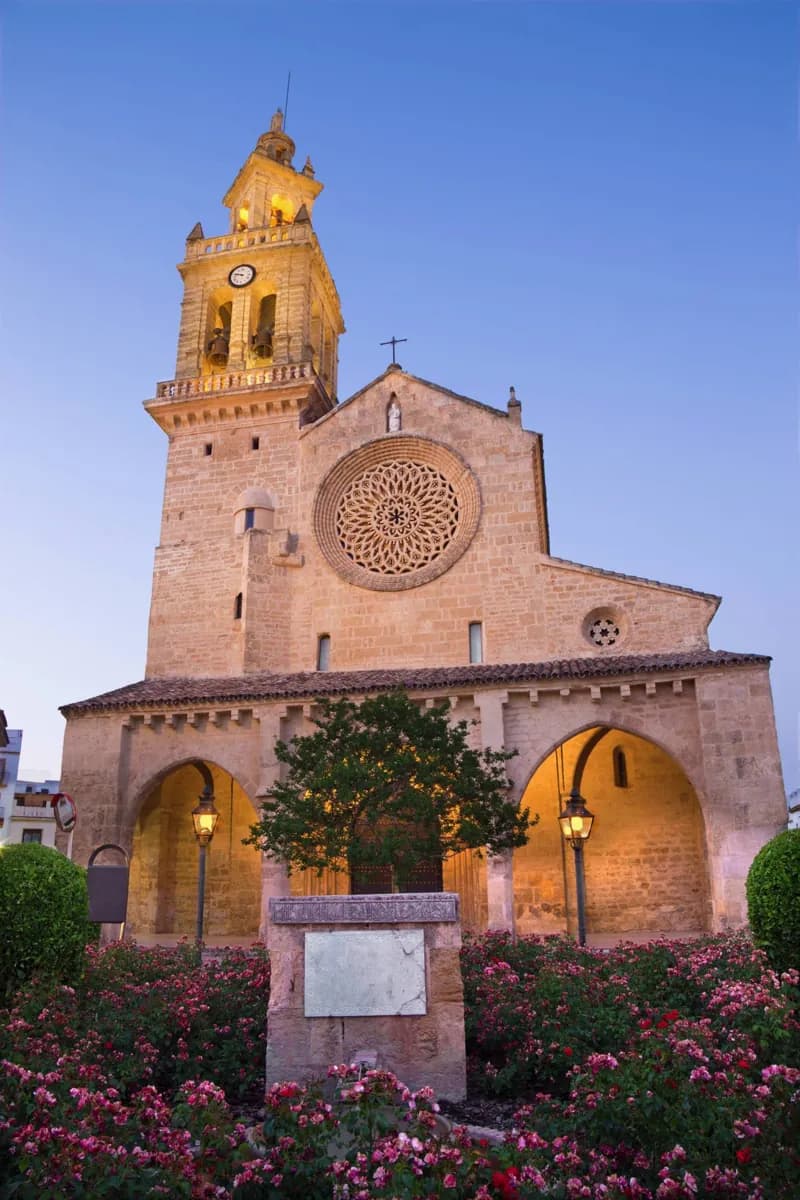
Why go
The Chapel of San Bartolomé rewards a close look at medieval decoration; San Hipólito connects the city to two Castilian kings. The Fuensanta shrine adds a different neighbourhood tradition. Pick the building whose history interests you, then check whether its interior is accessible.
The full story
Córdoba’s religious buildings extend well beyond the Mezquita-Cathedral and the Fernandine churches. The Chapel of San Bartolomé is a small-scale stop in the Judería where architectural detail deserves more attention than its size suggests. San Hipólito has another kind of significance: it houses the tombs of Ferdinand IV and Alfonso XI, kings of Castile and León. The shrine of Nuestra Señora de la Fuensanta connects a place of devotion with a neighbourhood festival, making it meaningful in a different way from a historic chapel. Other names in the city’s religious landscape include San Francisco, San Salvador y Santo Domingo de Silos and the tower of Santo Domingo de Silos, as well as several convents. They should be approached individually, since a convent, a shrine, a tower and a chapel offer different kinds of visits. These sites work best as additions to nearby walks: San Bartolomé fits the Judería, while Fuensanta calls for its own neighbourhood context.
Useful to know
- Pair the Chapel of San Bartolomé with the Synagogue and nearby Judería streets.
- Check access for the specific chapel, shrine or convent you want to enter; exterior interest and public admission vary.