
Why go
Look beyond the Registry Room to the hospital and service buildings in the island’s story. They were part of a complex that had to feed, examine, house and sometimes detain large numbers, then adapt as war and policy changed its purpose.
The full story
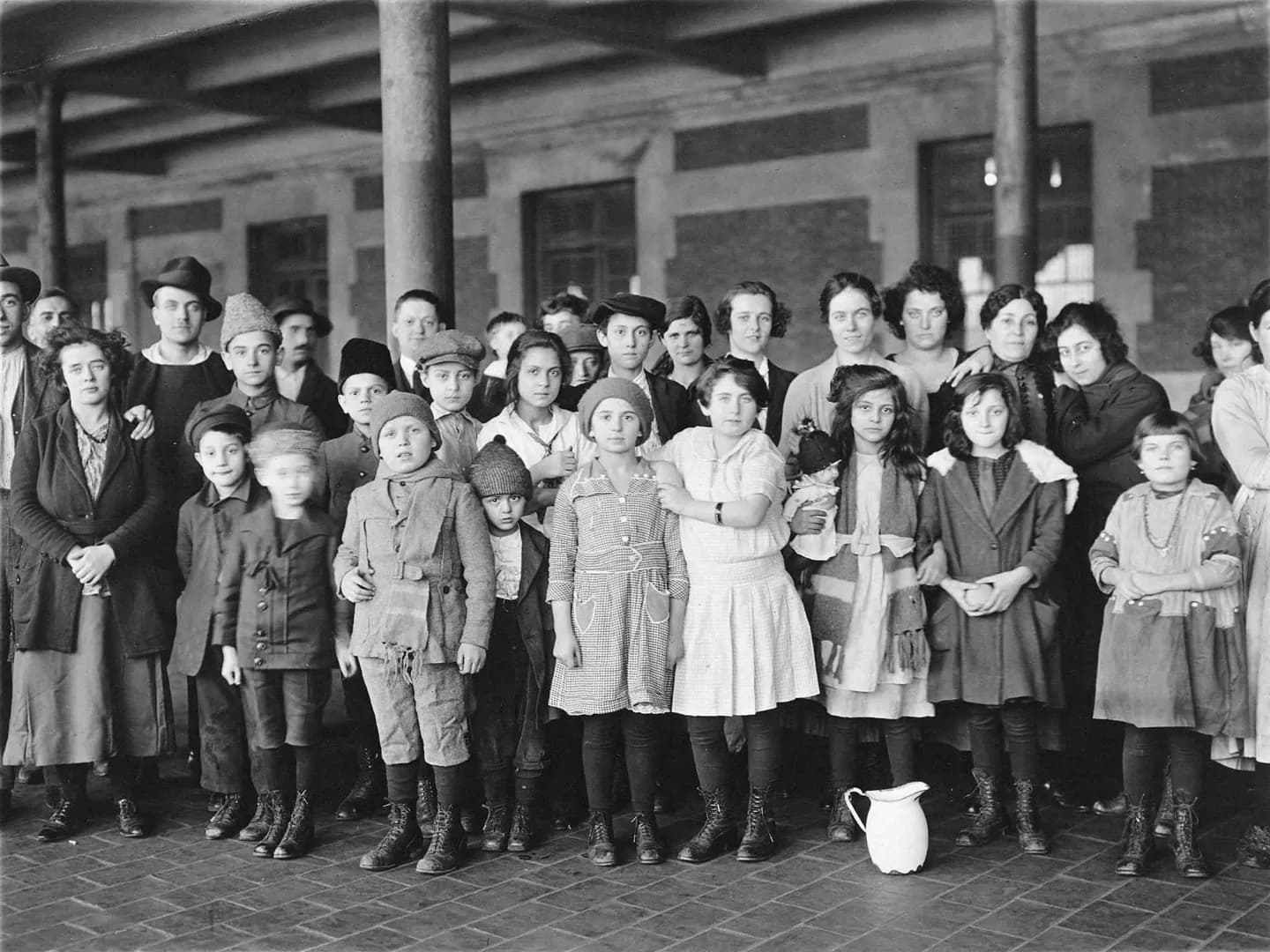
The station’s workload grew after 1900, reaching roughly 1.25 million processed immigrants in 1907. Officials had underestimated the continuing rise in arrivals. From 1900 to 1915, builders added hospital space, dormitories, contagious disease wards and kitchens to support the growing operation. These were functional parts of a large processing system, not decorative additions to the Main Building. Immigration then fell during World War I. The island’s role shifted as people suspected of being enemy aliens were held there, and the armed services used parts of the complex. After the war, the Red Scare brought further detention and deportation of people accused of radical associations. In 1920, Ellis Island again received immigrants, but the peak years were over. The sequence helps make sense of the varied buildings and functions: the island was first stretched by mass arrivals, then repurposed as national priorities and immigration laws changed.