
Why go
This history explains why the island’s busiest era ended long before the buildings shut. The 1921 and 1924 restrictions favored some origins over others, while consular paperwork moved key decisions overseas. Ellis Island increasingly handled detention and exceptional cases. It altered the experience of later arrivals.
The full story
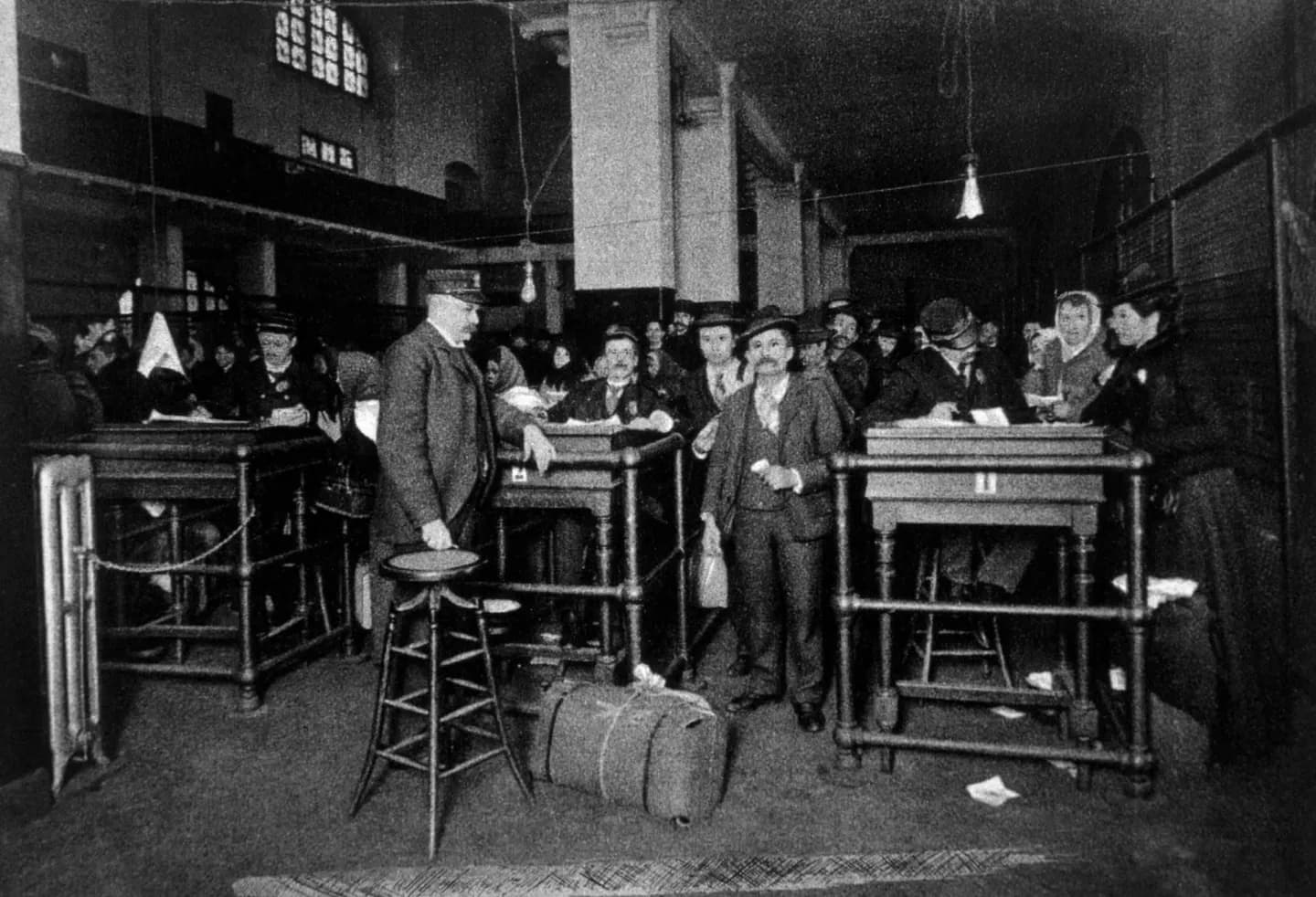
Ellis Island’s busiest decades unfolded amid growing political demands to restrict immigration. Earlier laws had already excluded or limited particular groups, including Chinese immigrants and contract laborers. Quota laws in 1921 and the National Origins Act of 1924 imposed much tighter numerical limits. Their formulas favored established populations from Northern and Western Europe and reflected discriminatory judgments about newcomers from other regions. At the same time, more visa paperwork and medical checks took place at American consulates before people sailed. Ellis Island was no longer the main first checkpoint for the large arrival flows of 1907. It continued to hold people with document problems and served detention and wartime functions. In November 1954, the release of Norwegian merchant seaman Arne Peterssen marked the station’s closure. The Main Building therefore spans two very different chapters: a crowded gateway and a later facility shaped by restrictive law and detention.