
Why go
Occupation history explains why Berlin became divided even though it lay inside the Soviet zone, and why the later inner-German border cut across regions. It also links postwar memorials with the difficult subjects of denazification, expulsion, and reconstruction across a damaged country.
The full story
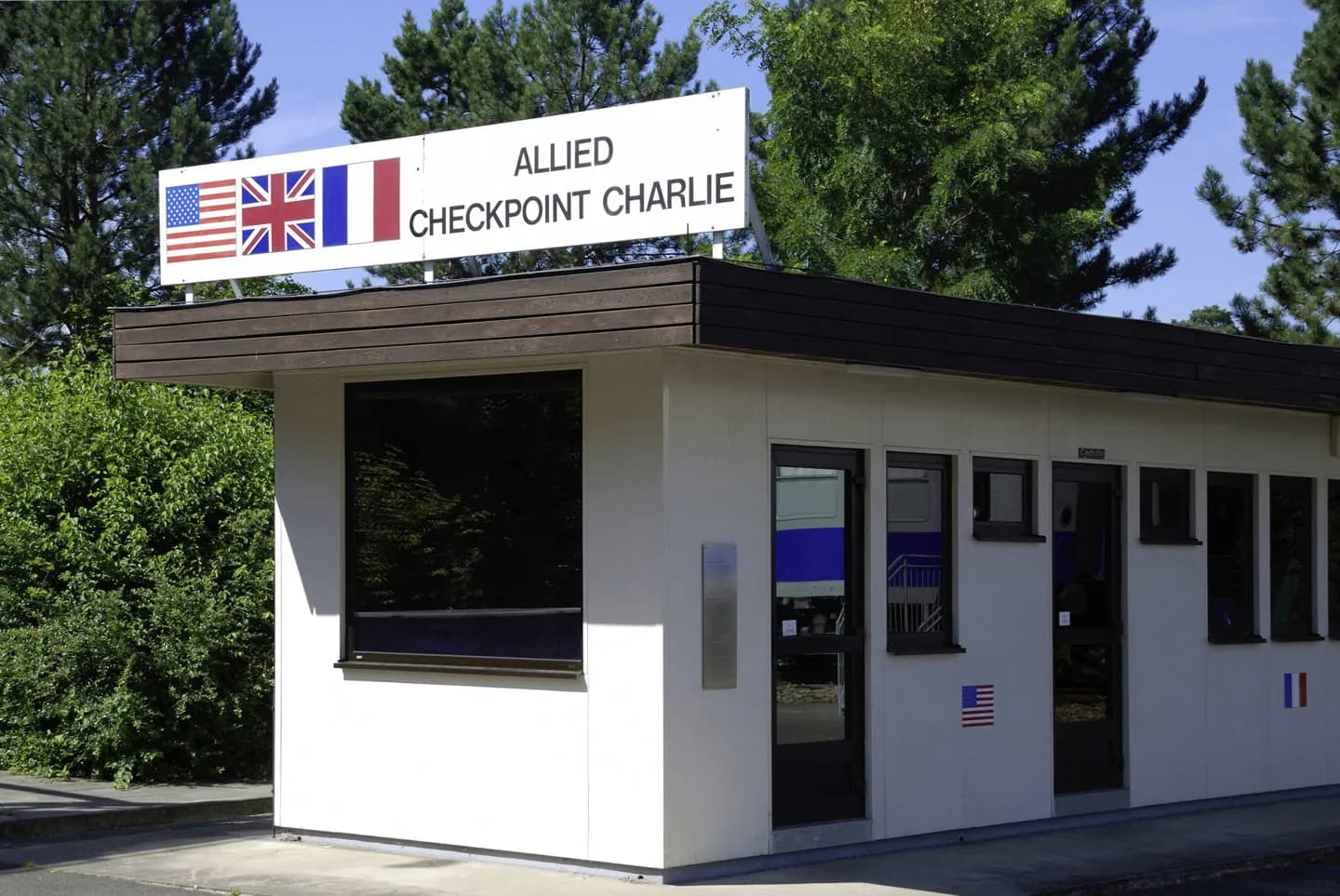
The United States, Soviet Union, United Kingdom, and France divided Germany into occupation zones in 1945 and jointly administered Berlin. The Allies agreed on demilitarization and denazification, but soon disagreed over the country's political and economic future. Eastern territories of the former German Reich passed under Polish administration or to the Soviet Union. Millions of Germans were expelled or fled from areas that became part of Poland and other countries. The displaced arrived in occupation zones that were already struggling with the damage of war. The occupation boundaries shaped a new map. Some later state borders followed the edges of the zones, and part of that line became the frontier between East and West Germany. The western zones moved toward a parliamentary federal state and a market economy. In May 1949 they became the Federal Republic of Germany. The Soviet zone became the German Democratic Republic in October. This transition explains why postwar sites can tell several stories at once: defeat of the dictatorship, lives uprooted by border changes, and the beginning of the Cold War division.